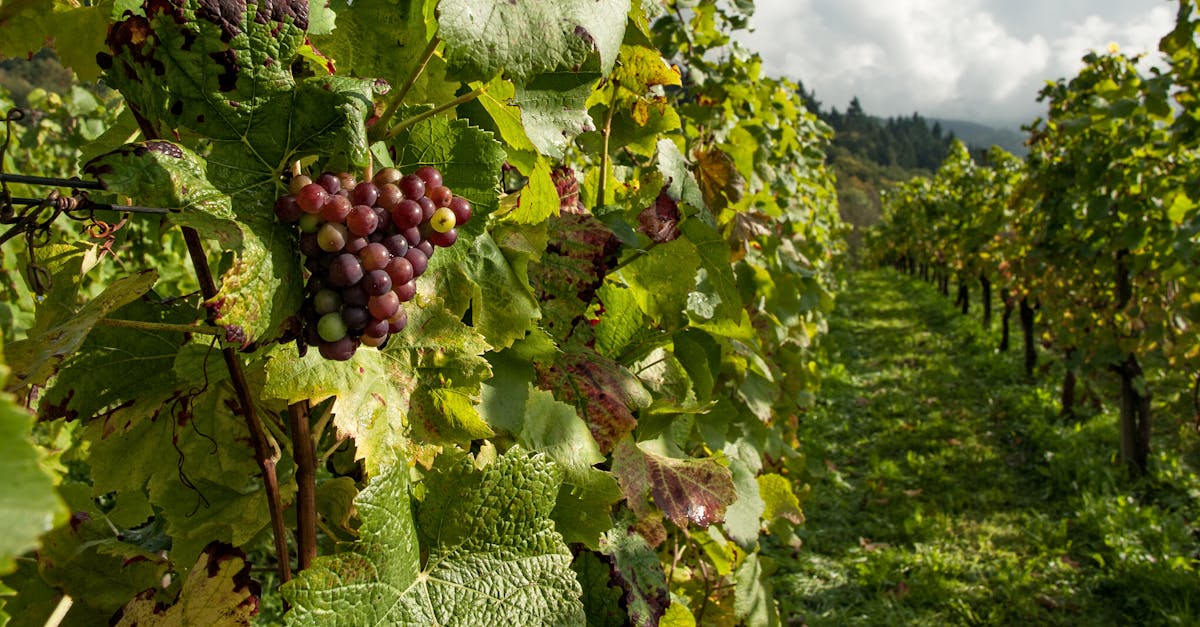
The ecological and economic challenges of wine production in the face of climate change
The wine industry, emblematic of the cultural and heritage wealth of many countries, is currently at a critical juncture. Between the erosion of terroirs, rising temperatures, and dwindling water resources, the sustainability of traditional vineyards is under threat. The context of 2025 demonstrates that the climate crisis is not limited to a simple distant forecast, but is now embodied in concrete realities that are forcing some stakeholders to reconsider their future. The question is no longer simply one of quality or style, but of the very survival of this sector. Added to this is a difficult economic context, with producers often caught between the hammer of ecological degradation and the anvil of ever-increasing production costs. The decision to suspend or abandon wine production then becomes an option to consider to avoid disaster, whether in the form of a production deficit or a collapse of wine ecosystems. Through this article, it becomes clear that to preserve the health of the planet and the economic stability of wine-growing regions, ceasing wine production may appear to be a pragmatic and responsible solution. The need to rethink the vocation of certain terroirs, particularly those located in Loire cellars or in more vulnerable regions, is becoming increasingly important. This paradigm shift could well save territories from decline and encourage a transition to more eco-responsible agricultural practices. The discussion now extends to future strategies for viticulture, highlighting alternative models often referred to as “Eco-Winegrowers,” which prioritize sustainability and the preservation of the terroir before simple immediate profitability.
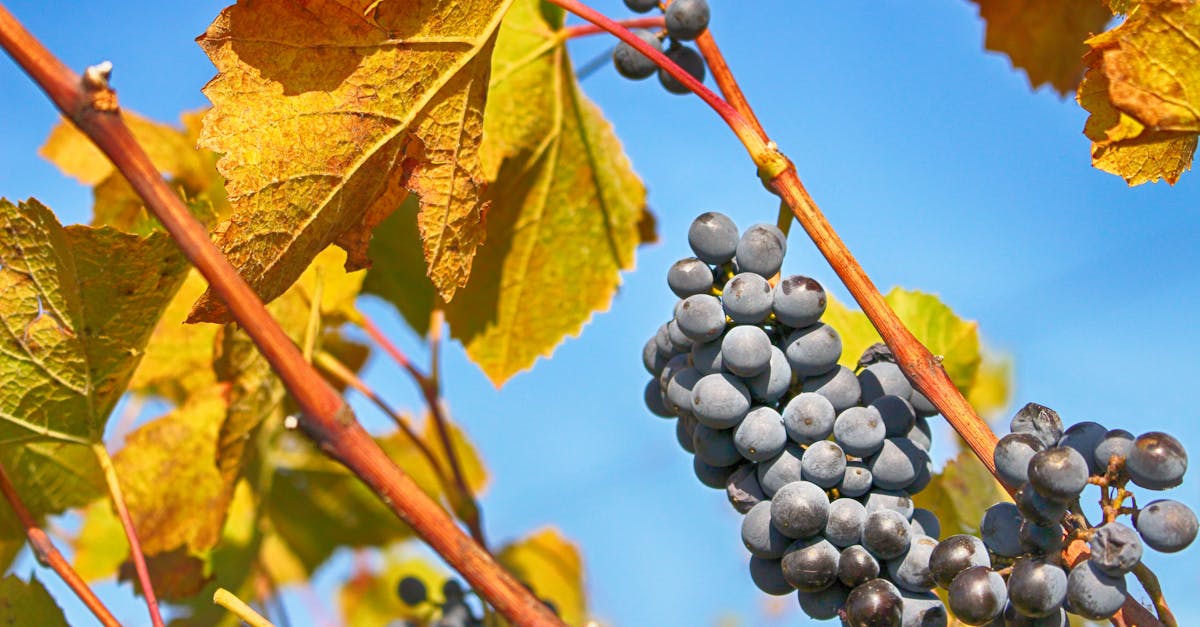
The Impacts of Climate Change on Modern Viticulture
An in-depth analysis shows that several regions renowned for their traditional Vins de France, such as the Loire Valley and the Southeast, are now suffering from a climate that has become too hostile to grape cultivation. Extreme temperatures, late frosts, and water shortages in summer are weakening the growth of vines. Pollution, exacerbated by deforestation and urbanization, is exacerbating this degradation, reducing the soil’s capacity to retain water and nourish the plants. The Loire wineries, famous for their history and passion for wine, face the threat of obsolescence if these conditions persist. Some winegrowers, such as those at Les Vignes de Provence, are already considering changing their model or ceasing production altogether to avoid contributing to an environmental catastrophe. Studies indicate that 70% of the world’s winegrowing regions may have to reduce or even cease their activity by 2025 to preserve biodiversity and limit their carbon footprint. The debate remains heated over producers’ ability to adapt to this sudden change.
Impact on viticulture
| Consequences | Solutions considered | Rising temperatures |
|---|---|---|
| Degradation of traditional grape varieties, changing wine profiles | Adaptation of grape varieties, replanting, or complete cessation in highly vulnerable areas | Water shortages |
| Reduced yields, weakened vines, economic losses | Water reuse, sustainable irrigation techniques, cessation in certain terroirs | Extreme weather events |
| Harvest destruction and vineyard destruction | Increased protection, choice of safer areas, or abandonment | Concrete examples of territories in crisis |
In 2025, some iconic estates such as Château Sauvignon, located in a remarkably renowned region, will see their grapes become unusable. At the Cuvées estate, there is already talk of the need to halt production to avoid a self-destructive environmental crisis. Faced with this situation, a growing number of winegrowers are favoring conversion to organic or biodynamic practices, or even a complete break with traditional viticulture. The global trend toward less intrusive and more respectful viticulture is not just folklore: it is becoming a real and palpable emergency. Some experts point out that relocation or abandonment is, in some cases, the only way to maintain ecological integrity, particularly in regions like Terre de Vin or Les Grands Crus, where production could soon become counterproductive to the environment.
Discover the art of wine production, from cultivating vines to winemaking. Explore the traditional and modern techniques that shape the world’s finest vintages. Immerse yourself in the fascinating world of grape varieties, terroirs, and unique flavors that amaze wine lovers.
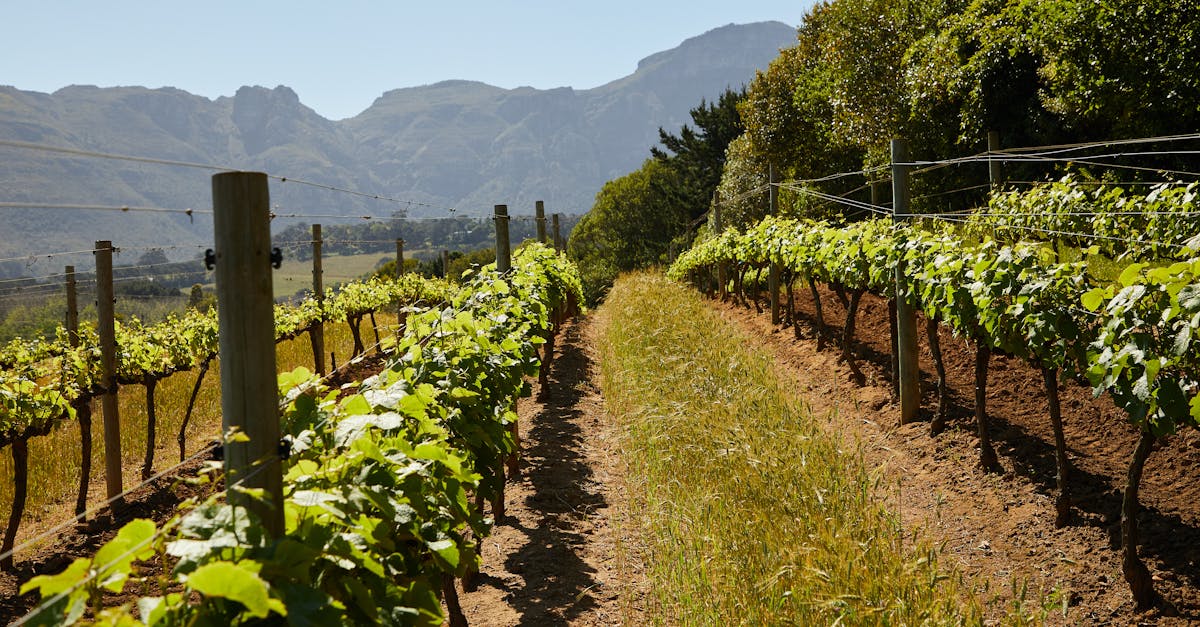
Beyond environmental issues, the economic climate of 2025 is putting unsustainable pressure on the wine industry. The cost crisis, market saturation, and declining demand are leading some producers, such as Géraldine Dubois, to decide to cease their operations. Wine production at estates such as Domaine des Cuvées and Réserve des Vins, which advocated a philosophy of quality and sustainability, is being hampered by declining margins and consumers’ refusal to pay more for ethically produced wines. European legislation, by tightening the screws on excess production in regions such as Les Vignes de Provence, is forcing a drastic recalibration of the market. Moreover, the ongoing health crisis has weakened the industry, causing a significant drop in sales and a gap between investments made and expected results. Many believe that to avoid a collapse, the only long-term solution may be the total or partial suspension of production, at least in the most affected areas. Economic Factors
Direct Impacts
| Potential Reactions | Increased production costs | Loss of margins, profitability difficulties |
|---|---|---|
| Reduction in cultivated area, shutdown in low-profit areas | Decreased demand | Falling sales, accumulated stocks |
| Suspension of production or conversion to other crops | Strict European regulations | Strengthened controls, quotas, and possible sanctions |
| Closure or withdrawal from the market in certain regions | Producers’ testimonies regarding the crisis | The case of Géraldine Dubois perfectly illustrates the impasse facing viticulture today. In a context where her sales have not kept pace with the rise in the quality of her wines, her departure from the sector demonstrates the enormous economic challenges facing the majority of small and medium-sized producers. The sum of these difficulties could lead to a collective collapse of the sector if a new production reduction strategy is not quickly implemented. The question remains: should we continue to cultivate in increasingly hostile conditions or drastically reduce production to protect both the health of the population and the sustainability of the farms? |
Discover the fascinating world of wine production, from vine to bottle. Explore traditional and modern methods, iconic wine regions, and the secrets of winemakers to create exceptional wines.
The ethical and strategic debates surrounding the cessation of production: a necessary change or a waste?
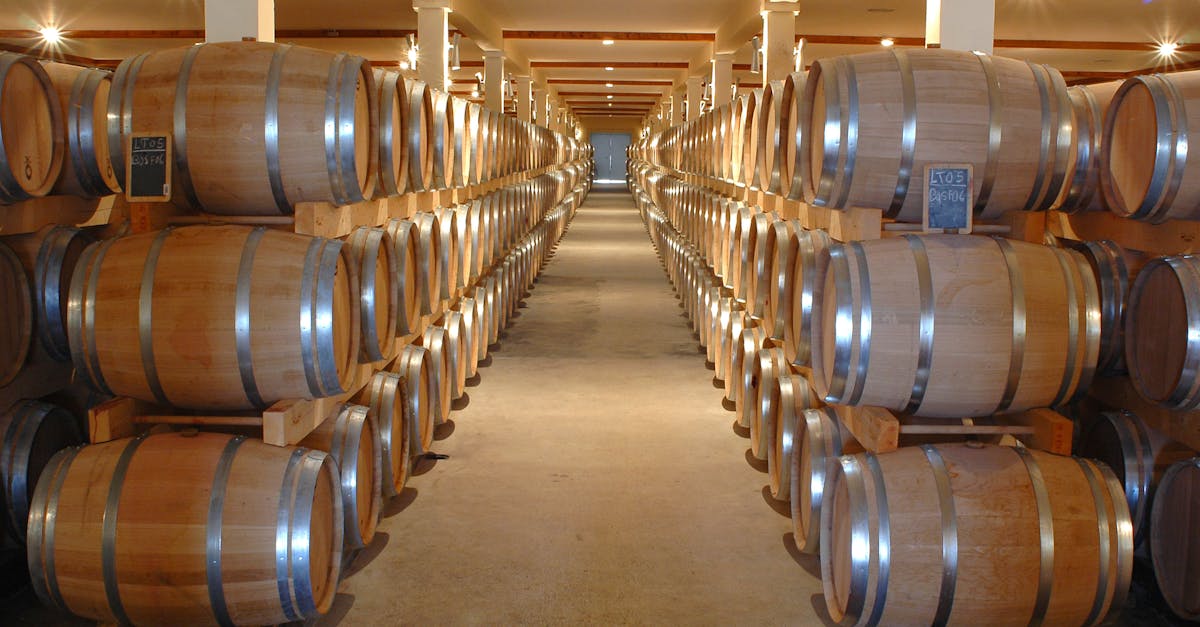
The impact of global warming on viticulture
and
Experts call for an urgent recovery . Alternatives to a total shutdown: a future based on strategic reorientation When the question of “ceasing production” arises, other options emerge, often supported by those who advocate a sustainable vision. Converting to organic or biodynamic farming is one such alternative that allows for mitigating environmental impact while maintaining economic activity. Some regions are seeking to reposition themselves towards wines less dependent on climate change, such as wines made from resistant grape varieties or more moderate terroirs. Innovation in winemaking, particularly through the use of modern techniques, helps reduce dependence on extreme conditions. However, these options require a real paradigm shift, often accompanied by a lack of institutional support. The question of long-term investment in alternative models, such as those advocated by Eco-Winegrower associations, remains open. Undoubtedly, in some cases, a complete shutdown appears to be the last resort given the impossibility of preserving the health of vineyards. Transition, however, remains the best way to ensure continuity, even if it means sacrificing part of our winemaking tradition.Finally, a necessary reflection on the place of viticulture in tomorrow’s society.