
Investing in the Bordeaux vineyards: an extraordinary gesture to preserve human heritage
Faced with a reality where French viticulture is facing unprecedented challenges, certain innovative initiatives are emerging to support and preserve a thousand-year-old heritage. At the heart of this fight is investment in the Bordeaux vineyards, an emblematic region home to legendary vintages such as Château Margaux, Château Latour, and Château Haut-Brion. In recent years, particularly in 2025, a new trend has emerged: passionate individuals, motivated as much by passion as by the desire to preserve a cultural heritage, are investing in the vineyards through modern forms of patronage. Their commitment goes far beyond simple financial acquisition. Thanks to original models like Terra Hominis, these stakeholders actively participate in the sustainability of terroirs and the transmission of unique expertise; a humane and ethical action, deeply rooted in a sustainable approach. The proliferation of these initiatives helps to revitalize a sector struggling due to the economic, climate, and structural crisis, while also adding a philanthropic dimension to the act of investing. In this world where tradition meets innovation, each action has a symbolic significance: safeguarding the vineyard, preserving a human heritage, and supporting a historic community that innovates to survive and prosper. From Bordeaux to Saint-Emilion, these commitments are shaping a future where the vine becomes a symbol of solidarity and hope, more necessary than ever as we approach 2025.
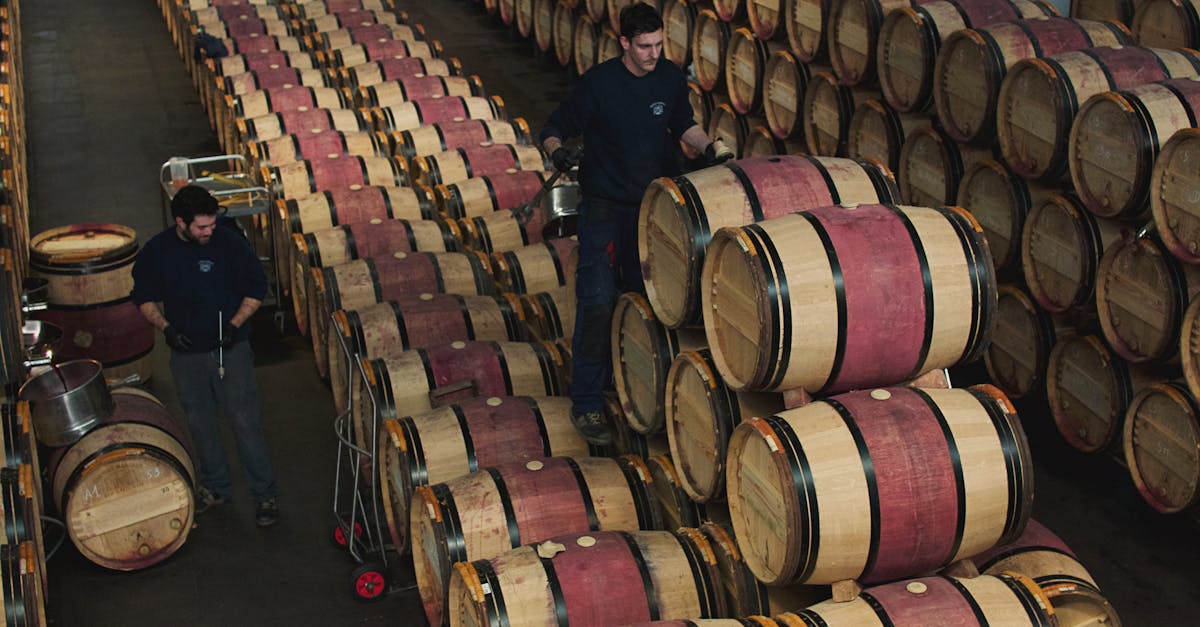
The crucial role of human investment in the revival of the Bordeaux vineyards
The Bordeaux vineyards, world-renowned for their legendary vintages, could have seen their future darken under the weight of successive crises. However, like Château Pape Clément or Château Léoville Las Cases, a solidarity movement has developed, revealing that the future of the region also depends on human commitment. The revival of this viticulture requires a true revaluation of local stakeholders, both through the transmission of know-how and the mobilization of a network of enthusiasts. Today, it is this human value that is proving more economical and more resilient in the face of economic uncertainty. Supporting winegrowers through participatory investments is becoming a necessity. The mission-driven company Terra Hominis is a compelling example. By offering individuals the opportunity to directly finance plots in exchange for bottles or shares in production, it is creating a new, more humane and less speculative dynamic.
Iconic vintages
| World-renowned vintage | Type of investment | Solid and sustainable | Château Margaux |
|---|---|---|---|
| Louis XVI | Vineyard sharing | Yes, in times of crisis | Château Latour |
| Ancien Régime | Participatory funds | Yes, with human support | Château Mouton Rothschild |
| 1800s | Donations and sponsorship | Highly resilient | Innovative mechanisms to preserve the human and heritage wealth of the vineyard |
To address the challenges facing French viticulture, particularly in the context of 2025, innovative mechanisms are being implemented to combine heritage and profitability. One particularly illuminating approach involves calling on citizen investors eager to support their culinary and cultural heritage. Under the Terra Hominis banner, investments in vineyard shares allow wine enthusiasts to finance the planting of emblematic grape varieties such as Merlot or Cabernet Sauvignon, while ensuring the continuity of emblematic grape varieties such as Cabernet Sauvignon or the emblematic Bordeaux grape variety. By offering a concrete support approach, these mechanisms prove to be more than just financial leverage. They are part of a logic of transmission, innovation, and the recovery of this fragile heritage in the face of scapegoat crises: massive uprooting or sales to foreign players. The use of these participatory investments allows winegrowers to preserve their estates while maintaining a certain simplicity in their daily management.
🤝 Ethical and solidarity-based investment 🌱 Supporting local and symbolic grape varieties 🎉 Creating connections between generations and enthusiasts 💪 Strengthening the resilience of the vineyard🍇 Preserving iconic wines like Château d’Issan and Domaine de Chevalier
The essential role of collective investment in shaping the future of the Bordeaux vineyard
- In a changing sector, collective investment takes on its full meaning. Solidarity among enthusiasts, often grouped into associations or private clubs, is reinventing the traditional wine industry. The approach is not only financial: it values conviviality, the transmission of ancestral gestures, and above all, human transmission. Some partners, such as Pierre Sarrat, president of the local branch of Secours Populaire, confirm that these wines are becoming much more than products: they embody emotion, memory, and local pride.
- The associations also work to create a close-knit community, where each share of the vineyard becomes a powerful symbolic act. The human value thus reinforces the authenticity and credibility of wines such as those of Château l’Évangile or Château Cos d’Estournel, whose wines have become ambassadors of a collective commitment. This humanist renaissance fosters the development of a region that is not only economically viable, but also culturally rich. Key Players
- Shared Values
- Benefits for the Estate
- Impact on the Community
Associations of Enthusiasts
Tradition, Solidarity
Solidarity Financing
| Strong Human and Cultural Ties | Partner Winegrowers | Transmission, Commitment | Financial Flexibility |
|---|---|---|---|
| Transmission of Know-How | Customer-Investors | Pride, Proximity | Access to Exceptional Bottles |
| Celebration and Conviviality | The Cultural and Economic Benefits of a Preserved Wine Heritage | Beyond the financial benefits, investing in Bordeaux vineyards in 2025 represents a true safeguard of human, cultural, and economic heritage. Prestigious wines such as Château Pape Clément and Château Léoville Las Cases embody the history of several generations. These estates are not simply production sites but also become vectors for the transmission of identity, ancestral know-how, and a wine culture deeply rooted in French society. | This heritage is also an economic lever with international influence. The Bordeaux region, renowned for its global wine market, sees its wines as leading figures on the global stage. Promoting them through participatory sponsorship campaigns helps to boost not only the wine sector, but also the entire local tourism ecosystem. 🌍 Exports and international market |
| 📈 Promoting Bordeaux wines | 🎨 Promoting the terroir and expertise | 🌿 Commitment to sustainable development | 🏆 Maintaining a global reputation |
FAQ: Investing in the Bordeaux vineyards: what to remember in 2025
What are the main advantages of investing in the Bordeaux vineyards in 2025?
Investing today allows you to support a unique cultural heritage and participate in the transmission of expertise, while benefiting from a strong human and environmental impact, in a context of crisis.
- How does participatory investment contribute to preserving the vineyards?
- Thanks to innovative mechanisms such as the retrocession of bottles or the sale of vineyard shares, this approach helps overcome traditional financial difficulties while strengthening the human connection between winegrowers and investors.
- Which iconic wines benefit from these initiatives?
- Prestigious wines such as Château d’Issan, Château l’Évangile, and Château Cos d’Estournel benefit from this rigorous collective approach, ensuring their future.
- What are the risks to consider?
