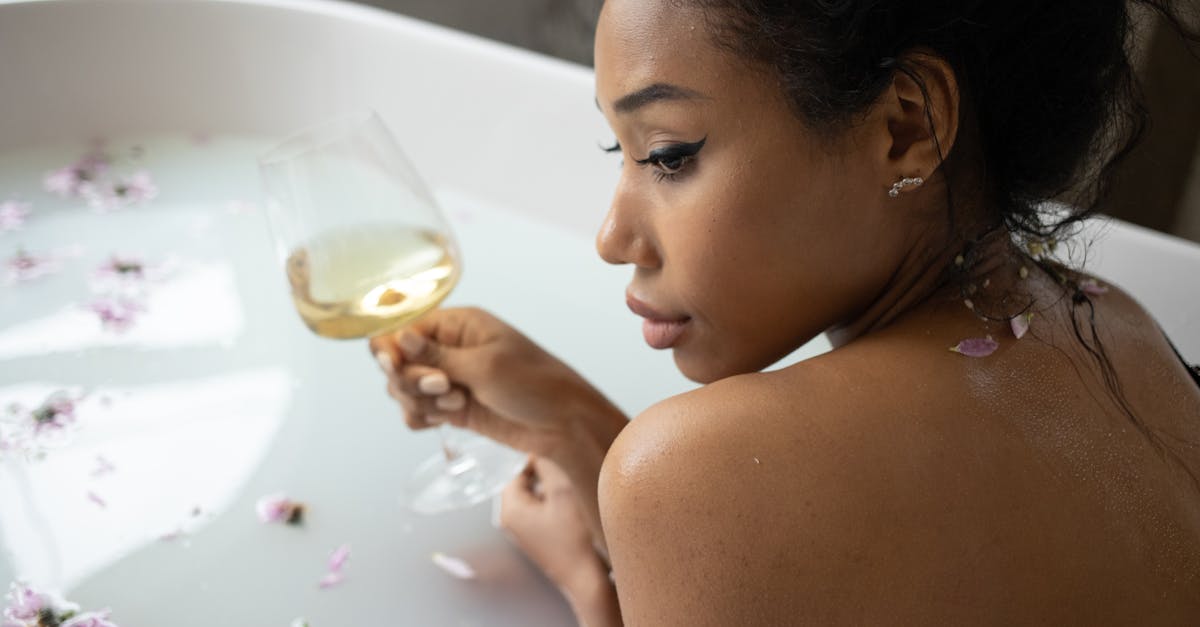
Alsace wines never cease to fascinate with their aromatic diversity and unique freshness. But, far from being easy for everyone, capturing these aromas can quickly become child’s play for those who know how. Between emblematic grape varieties, character-giving terroirs, and specific winemaking techniques, Alsace offers one of the richest sensory palettes in France. Whether during a tasting at the Cave de Ribeauvillé, in a welcoming estate like Domaine Weinbach, or during a visit to the famous Cave des Vignerons de Pfaffenheim, discovering these aromas enhances each sip with surprising complexity.
So, how can you recognize this olfactory signature that differentiates a dry Riesling from a sweet Gewurztraminer or even a Pinot Gris? The secret lies in careful observation, patient analysis, and an understanding of the very nature of the primary, secondary, and tertiary aromas that compose these wines. Each bottle tells a story, a little piece of Alsace through floral, fruity, spicy, and even mineral scents. It is precisely in these fragments of identity that the magic lies.
In this world where nuances play a vital role, there’s nothing like going beyond simple taste impressions. Knowing precisely which notes to detect and how to interpret them transforms any tasting into a true sensory journey. Here, you’ll discover practical tools, tips for training your sense of smell, and even examples of wines from renowned estates such as Domaine Zind-Humbrecht or Domaine Schlumberger. And if you want to expand your knowledge, there’s nothing stopping you from exploring additional resources on suitable food and wine pairings, such as those offered on vin-et-chocolat.fr or delving into the aromatic world with their article on The Aroma Wheel. In short, we’ve put together this guide so your next tasting in Alsace will never be the same again. Let’s get started on unearthing and identifying the unique aromas of Alsace wine without any hassle!
What characterizes the unique aromas of Alsace wine?
Alsace wines have the particularity of displaying a stunning aromatic diversity, which obviously depends on the grape variety, but also on the terroir and winemaking methods. To accurately identify these aromas, you must first understand what constitutes this unique Alsatian terroir and what each grape variety brings as an olfactory signature. The exceptional richness of Alsatian grape varieties
Alsace is known above all for its four main grape varieties, which are true stars when it comes to aromas:
🍏
- Riesling : renowned for its mineral, lemony notes, sometimes with a hint of flint. 🌹
- Gewurztraminer : recognizable by its powerful aromas of lychee, rose, spices, and sometimes even white pepper. 🍐
- Pinot Gris : rounder and warmer, it exudes notes of ripe fruit, honey, and sometimes smoky nuances. 🍯
- Muscat : fresh and light, it is characterized by aromas of muscatel grapes, white flowers, and fresh herbs. These typical grape varieties set the tone for the primary aromas that will thrill your senses. Famous producers such as Domaine Meyer-Fonné and Vins d’Alsace Pierre Gubler exploit these characteristics superbly. But be careful, beyond the vine, the soil also plays a role.
The Alsatian terroir: a natural flavor booster
The semi-continental climate, with its hot, dry summers and abundant sunny autumns, provides the grapes with remarkable aromatic development. Alsace’s varied soils, including granite, schist, clay, and marl, contribute to refining the range of aromas:
🪨
- Granite soils promote fresh and mineral aromas, perfect for Riesling at Domaine Joseph Cattin. 🌿
- Clay-limestone lands add roundness and nuances of dried fruit or spices, as is sometimes found at Domaine Schlumberger. 🌞
- The warm and well exposed slopes intensify the aromatic concentration, particularly for the prestigious late harvests of Domaine Zind-Humbrecht. Did you know? The Cave de Hunawihr, classified among the Alsatian cooperative cellars, pays great attention to enhancing these specificities so that each wine reveals its original terroir on the nose. In short, the terroir acts like a conductor, balancing the aromatic score to highlight a captivating final result.
Winemaking, an art that shapes the soul of aromas
Without going through all the complex techniques of winemaking, remember this: it is during fermentation, in particular malolactic fermentation (when it is carried out), and the possible passage into barrels, that the aromatic profile of a wine can transform and sometimes be enriched.
A young, fresh Alsace wine (like a dry, unoaked Riesling from Trimbach) often relies on the purity of its natural aromas. On the other hand, a Pinot Gris or a Gewurztraminer can develop more rounded and complex notes, sometimes woody, if a passage in barrel has been carried out by estates such as Vins d’Alsace Trimbach or Domaine Weinbach.
Summary table: Influence of grape varieties, terroirs and vinification on aromas
Appearance 🍇
| Effect on aromas 🌿 | Example in Alsace ⭐ | Grape varieties |
|---|---|---|
| Define the aromatic base: fruits, flowers, spices. | Gewurztraminer – lychee, rose | Pinot Gris – ripe fruit, honey Terroirs |
| Complexify the aromas: minerality, roundness, fine spices. | Riesling on granite soils (Domaine Joseph Cattin) | Alsace Pierre Gubler wines on clay Winemaking |
| May add secondary aromas: toast, butter, wood. | Domaine Schlumberger – barrel aging, vanilla notes | Domaine Weinbach – careful malolactic fermentation Discover the unique aromas of Alsace wines, a wine-growing region renowned for its aromatic grape varieties and varied terroirs. Immerse yourself in the world of flavors and aromas that characterize Alsace wines, from the florality of Gewurztraminers to the mineral notes of Rieslings. |
Identifying the nature of the aromas in an Alsace wine may seem technical, but it’s actually quite logical once you understand what they correspond to. This aromatic analysis is broken down into three steps, like a good novel to be savored in order. Primary aromas: the direct signature of the grape variety and the terroir
Primary aromas are the first to be noticed. They directly reflect the grapes and the environment in which they were grown. In Alsace white wines, expect to smell:
🍋
Fresh fruit
- : lemon, green apple, pear, even exotic fruit (lychee in Gewurztraminer) 🌸 Floral notes
- : rose, orange blossom, linden 🪨 A mineral touch
- : wet stone, flint, granite The dry Riesling from Cave des Vignerons de Pfaffenheim will often transport you to this pure, unadulterated freshness. These aromas can vary subtly depending on the soil and sun exposure, which adds to their complexity. Secondary aromas: the discreet work of winemaking
Then you need to keep your eyes open—or rather, your nose open—to what the winemaking process brings. Things can get tricky here, as fermentation can reveal:
🥖
Notes of yeast, toast, or brioche
- , resulting from fermentation and contact with the lees. 🧈Lactic notes
- , butter, or cream, often due to malolactic fermentation in certain white wines or Pinot Gris. 🌳Wood and vanilla aromas, when the wine ages or is aged in oak barrels.
- These secondary aromas add depth, as in certain wines from Domaine Weinbach or Domaine Schlumberger, known for their subtleties that dazzle the eye. Tertiary aromas: time transforms the aromatic palette Finally, in Alsace wines with good ageing potential, the aromas evolve with aging, often after years in the cellar: 🍂
Dried fruit notes
: walnuts, almonds, hazelnuts, which integrate harmoniously
🧴
- Complex spices : cinnamon, cloves, sometimes hints of smoke or leather 🍯
- Gourmet aromas : honey, caramel, jam, particularly in late harvest wines The famous late harvest Riesling from Domaine Zind-Humbrecht is an excellent example of these tertiary aromas, rich and complex, which are the stuff of dreams for many wine lovers. Comparison table: Primary, secondary, and tertiary aromas in Alsace wines
- Aroma type 🎯 Origin Classic examples in Alsace
Representative estates
Primary
| Grape varieties and terroir | Fresh fruit (lemon, lychee), flowers (rose) | Cave de Ribeauvillé, Pierre Gubler Alsace wines | Secondary |
|---|---|---|---|
| Vinification | Brioche, butter, vanilla | Domaine Weinbach, Domaine Schlumberger | Tertiary |
| Aging | Honey, nuts, spices | Domaine Zind-Humbrecht, Cave de Hunawihr | https://www.youtube.com/watch?v=V9UrdEKRvJI |
| Methods to refine your nose and accurately identify the aromas of Alsace wine | To ensure your tasting experience is top-notch, you need to maximize your chances by focusing on the ambiance and technique. Recognizing aromas is never a matter of chance; it’s all in the details—and sometimes, all it takes is a little whack-a-mole to get your sense of smell back on track. | The essential conditions for a successful tasting | An ideal atmosphere is already half the battle: |
A neutral environment,
without perfumes or cooking odors to pollute your nose
🍷
A suitable tulip-shaped glass
- to concentrate the aromas towards your nose 🌡️A suitable temperature:
- Let’s get into the details: Alsace white wine should be around 10-12°C, never iced! 💫 Dim lighting will help you stay focused on the sensations
- Techniques to better capture and analyze aromas Precise movements and little pro tips to sharpen your nose: 🔄
- Swirl the wine in the glass to release the volatile aromas 👃
Smell several times
: inhale gently, quickly, then deeply, like a play of olfactory waves
- ⏳ Take your time : sometimes the aromas appear slowly or change with aeration
- 📝 Note down the aromas perceived while they are still fresh to better remember The approach to sustainably refine your olfactory perception
- The key to progress is consistency: 🎯 Use aroma kits,
- like those from Le Nez du Vin, which bring together all the classic scents 🤝 Participate in group tastings, with discussions that guide your Identification
📒
Keep a tasting journal
- where you describe your impressions and developments 📚Explore the theory
- with online resources like the files at vin-et-chocolat.fr Ultimately, recognizing an aroma is almost a game; with practice, it becomes second nature. And then, nothing beats the pleasure of chatting with enthusiasts at Domaine Schlumberger or Cave de Hunawihr.
- Table: Comparison of olfactory recognition techniques Technique 🔍 Advantage ⭐
- Practical tip 🎓 Tulip glass Concentrates aromas Choose a glass with a wide enough stem and a narrow neck
Swirl
Reveals hidden aromas
| Do not shake too vigorously to avoid altering the wine | Multiple inspiration | Refines perception |
|---|---|---|
| Alternate between quick and long breaths | Take notes | Improved memory |
| Write down notes immediately after tasting | Discover the captivating aromas of Alsace wines, a wine-growing region renowned for its unique grape varieties and picturesque landscapes. Immerse yourself in a world of delicate flavors and subtle aromas that make Alsatian wines so famous. | https://www.youtube.com/watch?v=iAxWku7ux2A |
| The main families of aromas to discover in Alsace wines | To spice up your sensory journey a little more, let’s get to the heart of the matter: what aromas can we really expect to discover in a glass of Alsace wine? We suggest classifying them into major families so you don’t get lost. Fruity aromas, the unmissable stars | 🍓 Alsace white wines often surprise with their fruity indulgence: |
| 🍋 Citrus fruits: lemon, grapefruit for chilled Rieslings | 🍐 White-fleshed fruits: pear, apple | 🍍 Exotic fruits: lychee, mango, especially in Gewurztraminer, like the cuvées from Domaine Zind-Humbrecht |
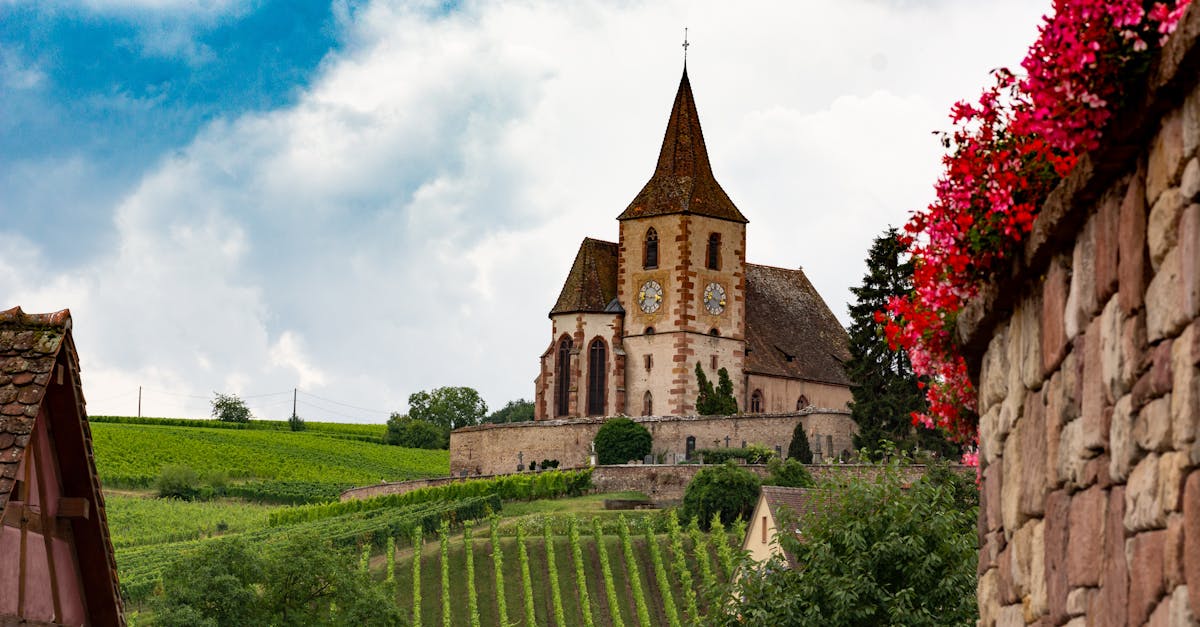
🌸 These notes bring true elegance and often make the great Alsatian wines so charming:
🌹 Rose – typical of Gewurztraminer
🌼 Orange blossom
🌿 Linden, jasmine
- 💐 Violet, less common but very present in some Pinot Noirs
- Spicy and woody aromas, markers of complexity and aging
- 🌿 In Alsace, we also encounter notes of mild spices, sometimes resulting from aging:
- 🍂 Cinnamon, cloves, licorice, white pepper
🌰 Oak wood, vanilla, hazelnut
🔥 Smoke or toast, often in barrel-aged wines
- Mineral and herbaceous aromas, a true reflection of the terroir
- 🌾 Alsace is a land of minerality and freshness:
- 🪨 Minerals: gunflint, flint, chalk
- 🌿 Herbaceous notes: mint, anise, fennel
Summary table of aroma families and examples in Alsatian wines
Aroma family 🌈
- Typical examples 👃
- Grape varieties involved 🍷
- Vines to discover 🏡
Fruity
Lemon, lychee, pear, apricot
- Riesling, Gewurztraminer, Pinot Gris
- Domaine Zind-Humbrecht, Cave de Ribeauvillé
Floral
| Rose, orange blossom, linden | Gewurztraminer, Muscat | Domaine Schlumberger, Pierre Gubler Alsace Wines | Spicy & Woody |
|---|---|---|---|
| Clove, cinnamon, vanilla, hazelnut | Pinot Gris, barrel-aged Riesling | Domaine Weinbach, Domaine Schlumberger | Minerals & Herbaceous |
| Flint, Mint, Anise | Riesling, Muscat | Cave des Vignerons de Pfaffenheim, Domaine Joseph Cattin | Discover the captivating aromas of Alsace wines, where each sip reveals a harmonious blend of floral, fruity, and spicy notes, from exceptional terroirs and varied grape varieties. |
| How do you practice identifying the aromas of Alsace wine? | You don’t need to be an expert from the start, but you do need to be active to progress. Just like the work of the bees we monitor daily to understand their production, our sense of smell can be trained and refined over time and with careful practice. A few simple tips to boost your nose | 🧴 | Experiment with spices and fresh fruits |
| : Keep bottles or natural samples of cinnamon, cloves, lemon, lychee, etc. on hand and smell them regularly. | 📦 | Use aroma kits | : They facilitate recognition through repetition. The famous Nez du Vin is a reference. |
Participate in tastings with experts
: This also sharpens your senses by sharing your impressions with other enthusiasts.
📝
- Keep a notebook : Describe your impressions, note your successes, and your questions. Mistakes to avoid to avoid distorting your perception.
- 🚫 Don’t smell too strongly or too quickly to avoid saturating your nose
- 🚫 Avoid tasting in the presence of strong odors (smoke, perfume, spicy food, etc.) that can be distracting
- 🚫 Don’t rush : patience is the key to olfactory success
A few concrete examples with wines from the Alsatian vineyards
- For those who want to get started, simply find a few iconic bottles like a fragrant Gewurztraminer from Domaine Zind-Humbrecht, a dry Riesling from Domaine Schlumberger, or a sublime Pinot Gris from Domaine Meyer-Fonné. Each wine will offer you a new sensory experience to analyze. To go further and indulge yourself with flawless food and wine pairings, don’t hesitate to consult the great advice on vin-et-chocolat.fr
- where gourmet tips will accompany you both for your dishes and your tastings. Table: Practical exercises to strengthen your nose Exercise 🏋️♂️ Objective 🎯
- Recommended equipment 🧪 Recommended duration ⏰ Smell various spices
Recognize spicy notes
Cinnamon, clove, pepper
10 minutes per day Try fresh fruit Identify fruity aromas
Lemon, lychee, pear
| 15 minutes per day | Participate in a guided tasting | Sensory development | Various wines from the Alsatian vineyard |
|---|---|---|---|
| 1 to 2 hours | Note your impressions | Capitalize on what you’ve learned | Notebook or mobile app |
| After each tasting | https://twitter.com/FIVAPE/status/1872968297127268757 | FAQ – Your most frequently asked questions about the aromas of Alsace wines | How to differentiate a fruity aroma A floral aroma? |
| In general, fruity aromas evoke sensations of apples, pears, lychees, or citrus, while floral aromas are more akin to notes of rose, linden, or jasmine. One is more gourmand, the other lighter and airier. | Can you smell tertiary aromas when you buy an Alsace wine? | Tertiary aromas, related to aging, are especially noticeable in older wines, such as the late harvests from Domaine Zind-Humbrecht. A young wine will have mainly primary and secondary aromas. | Is it useful to swirl the wine in the glass? |
| Absolutely. This oxygenates the wine and releases volatile aromatic compounds, which considerably amplifies the perception of aromas, especially the more subtle ones. | What are the best Alsace wines to begin tasting aromas with? | Dry Rieslings and Gewurztraminers from Domaine Schlumberger or Domaine Weinbach are good examples, as they clearly display their aromas while remaining accessible. | How to pair the aromas of Alsace wine with food? For the perfect pairing, consider pairing light, spicy, or Asian dishes with Gewurztraminers, or fish and poultry with dry Rieslings. For gourmet ideas, also visit |