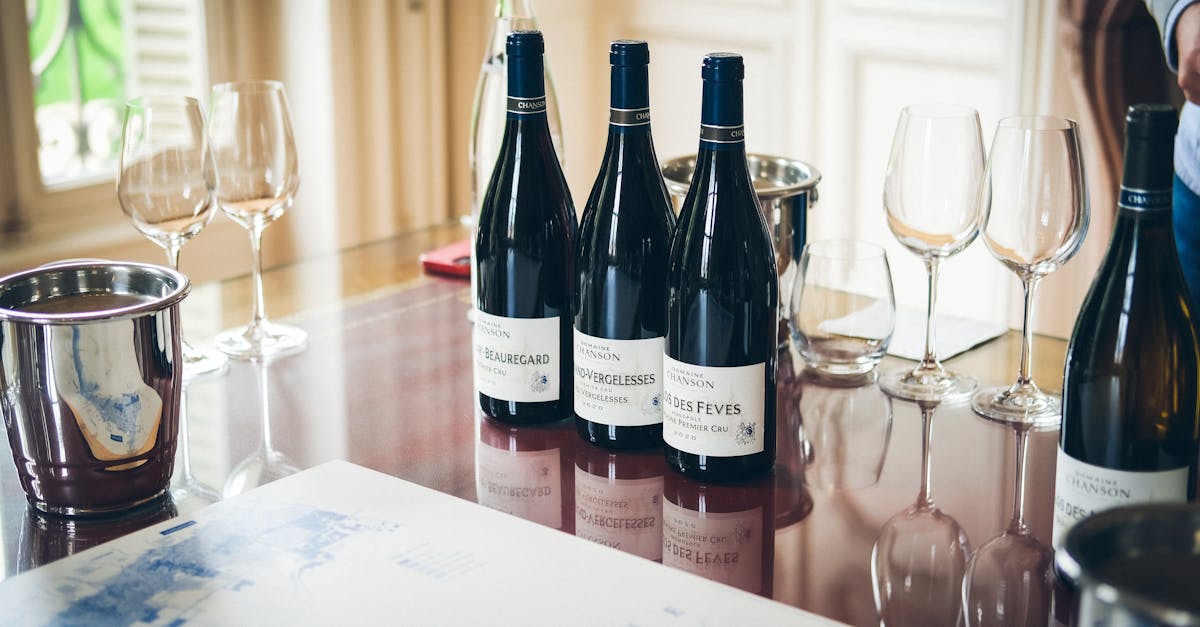
Discovering Burgundy wine means immersing yourself in a world where each bottle tells a story, that of a unique terroir and a thousand-year-old winemaking tradition. From prestigious estates like Domaine de la Romanée-Conti to renowned houses such as Bouchard Père & Fils and Louis Jadot, the region is brimming with wine treasures that delight both novices and the most discerning palates. But how can you truly appreciate these wines without getting lost in appellations and tasting techniques? We’ve put together this guide to help you taste Burgundy wine like an expert, exploring the secrets of the different grape varieties, the subtle aromas expressed in each glass, and tips for achieving the perfect pairing between a Pinot Noir or Chardonnay and your favorite dishes. Embark on a stress-free sensory journey that will give you all the keys to deciphering each nuance and enhancing your tasting moments, whether with an exceptional Château de Pommard or a white wine by Olivier Leflaive. The richness of Burgundy wine isn’t limited to prestigious bottles; it also lies in the ability to develop your palate and recognize subtleties based on age, aging, and provenance. It will also be an opportunity to discover the importance of technique, from the glass to the temperature, and how to avoid the classic mistakes that sometimes spoil the experience. Ready to dazzle your eyes and taste buds? Follow the guide and let yourself be transported into the fascinating world of Burgundy! 🍷 The essential basics for tasting Burgundy wine like an expert Tasting a Burgundy wine cannot be improvised. It’s an art that requires a little attention and a few guidelines to better understand what nature and the winemaker have packed into each bottle. Starting by mastering the fundamentals ensures you fully enjoy the extraordinary qualities of the wine produced here. Why be interested in mindful tasting? Wine isn’t just a pleasant liquid; it’s a complex experience that appeals to all our senses. Developing your ability to taste wine allows you to: 🎯Refine your palate
: Understand what you’re tasting, and uncover the fruity, floral, and woody aromas that make each wine unique. 🎯 Understand the grape varieties and terroirs : Pinot Noir and Chardonnay reign supreme in Burgundy. But each terroir, from the climate of the Côte de Nuits to that of the Côte de Beaune, leaves a distinctive mark that varies and must be recognized.🎯
Choose your bottles wisely
: A practiced tasting will prevent you from making the wrong choice when purchasing or at the table.
Knowing how to recognize subtleties will allow you to truly savor what’s happening in your glass, but also to avoid common mistakes. Moreover, for a deep dive into the history and richness of the region’s wine, it’s invaluable to consult resources like
this article dedicated to the history of Burgundy wine
.
- What tools are available for an effective tasting? The equipment isn’t that complicated, but every detail must be taken into account: 🍷
- A suitable glass : Each type of wine has its perfect companion. The tulip shape, quite wide but narrow at the rim, is ideal for letting the aromas of Pinot Noir express themselves. 🌡️ Serving temperature:
- A red Burgundy wine is best enjoyed at 16-18°C, while white wines are fresher at around 10-12°C. ⏳ Proper aeration
: Some young wines, such as certain vintages from Domaine Faiveley, benefit from decanting to develop their aromas. Ensuring optimal tasting conditions will ensure everyone is on the same page at your gatherings. And to familiarize yourself with the different types of wine, take a look at this page detailing Burgundy wine types.First glance: how to analyze the color of a Burgundy wine?
Wine can be seen before it can be smelled or tasted. Observing the color can reveal a lot:
👁️🗨️
- Color according to age : A young red will have a purple color, while an older wine will tend toward brick or orange. 🌈
- Intensity : A deep, concentrated wine generally reveals a powerful palate, which is not always the case with lighter Côte Chalonnaise wines. 💧 Tears: The thicker and slower they are, the more they indicate a high alcohol content and a velvety texture.
- Visual Appearance 🍇 Possible Interpretation 🔍 Example in Burgundy 🍷 Intense purple colorYoung wine, tannic structure
Domaine Michelot , young Pinot NoirsOrange or brick-red color
Older wine, more supple
Domaine de la Romanée-Conti
- , older vintages Clear and bright wine Good health of the wine
- Bouchard Père & Fils , brilliant vintages Cloudy wine
- Unfiltered or possibly defective Natural or unfiltered wines A careful eye prepares the rest of the tasting, where smell and taste will take over. To go further and discover other facets of white wine in Burgundy, consult the complete guide to
| the best white wines of Burgundy | . Discover the art of Burgundy wine tasting, a sensory journey through the exceptional terroirs and renowned grape varieties of this iconic wine region. Savor rich aromas and unique flavors during our tasting events. | The secrets of a successful olfactory tasting of Burgundy wine |
|---|---|---|
| The nose is the realm of aromas and therefore of the richness of wine. In Burgundy, where the terroir profoundly influences the complexity of the notes, learning to identify the different aromas is crucial to savoring a wine like a pro. | Why is the nose so important in wine tasting? | The sense of smell detects thousands of compounds, far more than the tongue. Much of what you experience during a wine tasting comes first from the nose. Distinguishing aromas can:🌺 |
| Give you clues about the grape variety: | A Pinot Noir will often reveal notes of red fruit, violet, or even a hint of pepper. | 🌳Reveal the winemaker’s work: |
| Oak and vanilla aromas suggest barrel aging, typical of Joseph Drouhin or Louis Jadot. 🕰️ | Display the wine’s maturity: | Odors of leather, mushroom, or undergrowth suggest a wine that has matured well, often present in the great vintages of Domaine Faiveley.This information enriches your approach, whether for a red or a white. The olfactory observation is done in two stages: the first nose, which offers immediacy, then the second nose after aeration, where the wine unfolds its aromatic depth. The main aroma families to recognize |
| In Burgundy wine, we mainly encounter: | 🍓 | Fruity aromas |
: strawberry, cherry, blackcurrant, lemon depending on the grape variety 🌼Floral aromas
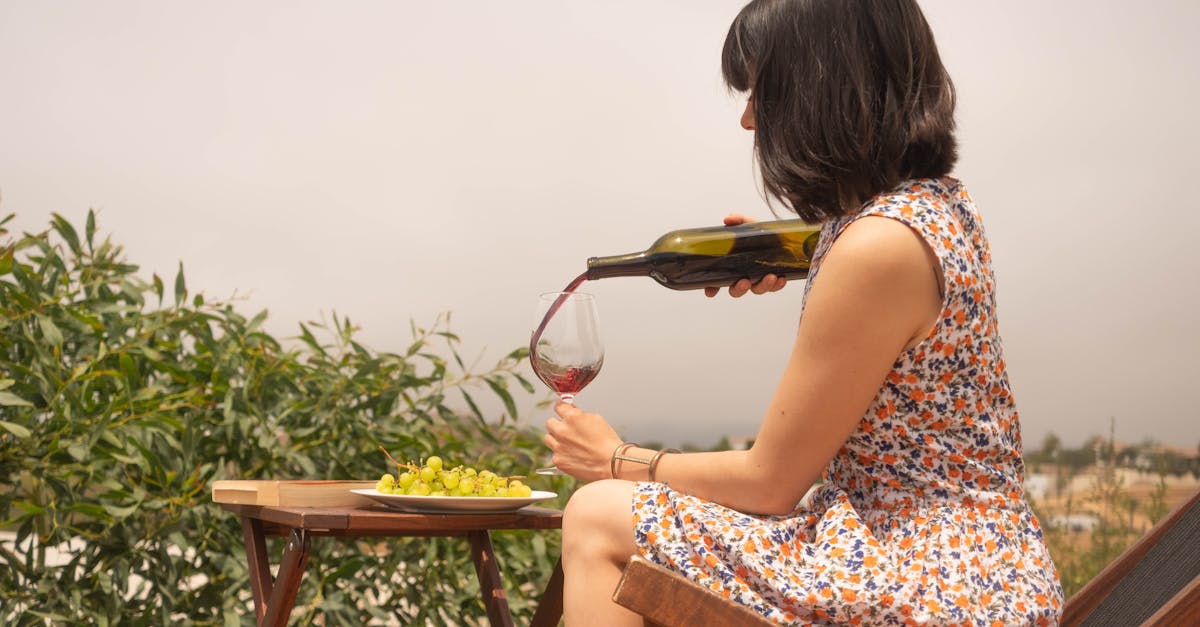
🌿
Vegetable aromas
: cut hay, green pepper (rarer in Burgundy)
🥖
- Fermentation aromas : butter, brioche, specific to white wines aged on lees 🪵
- Woody and spicy aromas : vanilla, coconut, cinnamon 🪓 Tertiary or evolved aromas : leather, tobacco, truffle, dark chocolate Note that some wineries such asMaison Champy
- or Caves de la Côte pay particular attention to these notes through their traditional expertise and demanding cellar practices. Aroma Family 🌸 Examples 🍯Regional Associations in Burgundy 🌍
Fruity
Strawberry, cherry, citrus
Young Pinot Noir, Chardonnay
- Floral Violet, rose, acacia Côte de Nuits, Côte de Beaune
- Oaky Vanilla, coconut Aged in oak barrels from
- Domaine de la Romanée-Conti Evolved Leather, tobacco, truffle
- Aged Grands Crus Mastering the nose is already opening the door to a vast sensory world. To explore the food and wine pairings perfectly suited to red Burgundies, don’t miss this special pairing guide. https://www.youtube.com/watch?v=sIXGJKBPgI8
- Experience Tasting: Perceiving the Textures and Flavors of Burgundy Wines Moving on to the palate reveals the soul of the wine. In Burgundy, wines favor a beautiful balance between acidity, tannins, and aromatic richness. It is at this stage that the best bottles express their full complexity. How do you analyze the attack, body, and finish?
- Tasting is broken down into three phases: 👅 The attack
: the first sensation, immediate freshness or sweetness, which sets the tone of the wine 🫧 The mid-palate : where the balance between acidity, tannins, and alcohol is determined, determining the texture ⌛
| The length in the mouth | : the aromatic persistence, revealing quality and maturity | A great Burgundy will often be characterized by an elegant attack, a silky body, fine tannins, and a long and complex finish. These elements reflect both the grape variety and the expertise of the producer—such as the famous Domaine Faiveley or Joseph Drouhin, whose iconic vintages are a testament to the terroir. Flavors to Recognize When Tasting |
|---|---|---|
| Wine conveys five main flavors: | 🍋 | Acid |
| : refreshing character, often in young or white wines | 🍯 | Sweet |
| : sometimes noticeable sweetness, more pronounced in certain sweet wines | 🍫 | Bitter : often linked to tannins, typical of Pinot Noir |
| 🧂 | Salty | : subtle, brings freshness and balance |
🍄 Umami: delicious and deep aroma, manifests itself in well-developed wines
Meaning in wine 🍷
Example in Burgundy 🌿
Acid
Brings freshness
- Chablis, young pinots Sugar Balance roundness
- Sweet Burgundy wines Bitter Tannic structure
- Full-bodied Pinot Noir Dirty Mineral note
Wines from marine terroirs Umami Deep and savory taste Advanced Grands CrusKeeping these flavors in mind allows you to better understand the wines and select those that you like the most. For those who want to explore further,
discover the alliances between Burgundy wine and white chocolate
is a real treat.
- discover the unique flavors of Burgundy wines during our exclusive tasting. immerse yourself in the world of great wines and learn to appreciate the subtleties of each sip, with the support of passionate sommeliers. Perfecting your palate: practical exercises and tips for recognizing aromas and textures Becoming a true wine expert also means training your palate to become more sensitive and more curious. A few simple exercises will boost your analytical skills.
- Exercises to train your nose to recognize aromas 👃 Use a flavoring kit
- by associating each scent with a wine tasted 👁️🗨️ Close your eyes
- by smelling the wine to better isolate odors 📝 Write down your impressions
- in a tasting notebook, identifying the families of aromas The goal is to break down the scents, instead of trying to catch everything at once. A classic progression goes through: Red fruits
| Citrus fruits | Spices | Woody notes |
|---|---|---|
| Advanced flavors | Tips for better perceiving textures and balance in the mouth | 👅 |
| Take your time | : a rushed tasting masks the subtleties | 🧊 |
| Respect the temperature | : to prevent the alcohol or acidity from being too strong | 🧂 |
| Pair wine with small bites | Neutral to avoid distorting perception | 📓 |
| Comparison: Taste several wines side by side to better understand the differences | These practices help you better appreciate the wines of | Maison Champy |
or Domaine Michelot , while refining your personal tastes and developing your sensory vocabulary. Exercise 🍷

Practical Tip 💡
Aroma Kit
Identify the main notes
- Pair with wines tasted Close your eyes Olfactory concentration
- Eliminate visual distractions Write down your impressions Monitor progress
- Keep a tasting journal Cross-tasting Refine your preferences
Compare similar wines
- https://www.youtube.com/watch?v=H3lTCEoQkFo
- https://twitter.com/MrUndercover__/status/1874616204029206923
- Pitfalls to avoid to fully enjoy a Burgundy wine
- To round off your learning experience on a high note, it’s best to know the mistakes that can ruin your tasting and how to avoid them. This works quite well so you don’t waste a great bottle or miss out on essential information. Common Mistakes to Avoid
- 🚫
Drinking without looking or smelling
- : You must follow all three steps (visual, olfactory, and gustatory) to fully understand wine. 🚫 Leaving a wine too cold or too warm
- : This distorts the perception of aromas and balance. 🚫 Using the wrong glass
- : For example, a glass that’s too narrow will stifle the aromas of a Pinot Noir. 🚫 Not decanting a young wine
- : Some wines need oxygenation to fully express themselves. 🚫 Opening and serving the bottle too early or too late
: Aeration must be adapted to each wine. More subtle but equally common mistakes ⚠️ Ignoring the importance of written notes: Taking notes helps you better remember and progress. ⚠️
| Comparing with wines that are too different: Tasting overly different pairings can confuse the palate. | ⚠️ | Adding overly spicy foods before tasting |
|---|---|---|
| : This disrupts the perception of aromas. | By avoiding these pitfalls, you maximize your chances of fully enjoying exceptional wines like those from the famous estates of | Domaine de la Romanée-Conti |
| or | Domaine Faiveley | . Don’t hesitate to consult “The Treasures of Burgundy Wines” for more information. |
| Discover the art of tasting Burgundy wines, a sensory adventure in the heart of prestigious terroirs. Explore the unique aromas, learn tasting techniques, and savor exceptional vintages during an unforgettable experience. | FAQ – Your questions about tasting Burgundy wine | ❓ |
| When is the best time to taste a Burgundy wine? | The wine reveals its full potential at the right temperature, and often after decanting for young wines. | ❓ |
What dishes pair with a white Burgundy wine?
Mild cheeses, fish in sauce, or poultry pair wonderfully with whites from Olivier Leflaive. Also see this dedicated guide.
❓
- Should you always decant a red Burgundy wine? This depends on the vintage and the age of the wine. Young wines can benefit from aeration, but older vintages are more fragile. ❓
- Can Burgundy wines be kept for a long time? Yes, especially grands crus and premiers crus can age for several years if stored properly and gain in complexity.