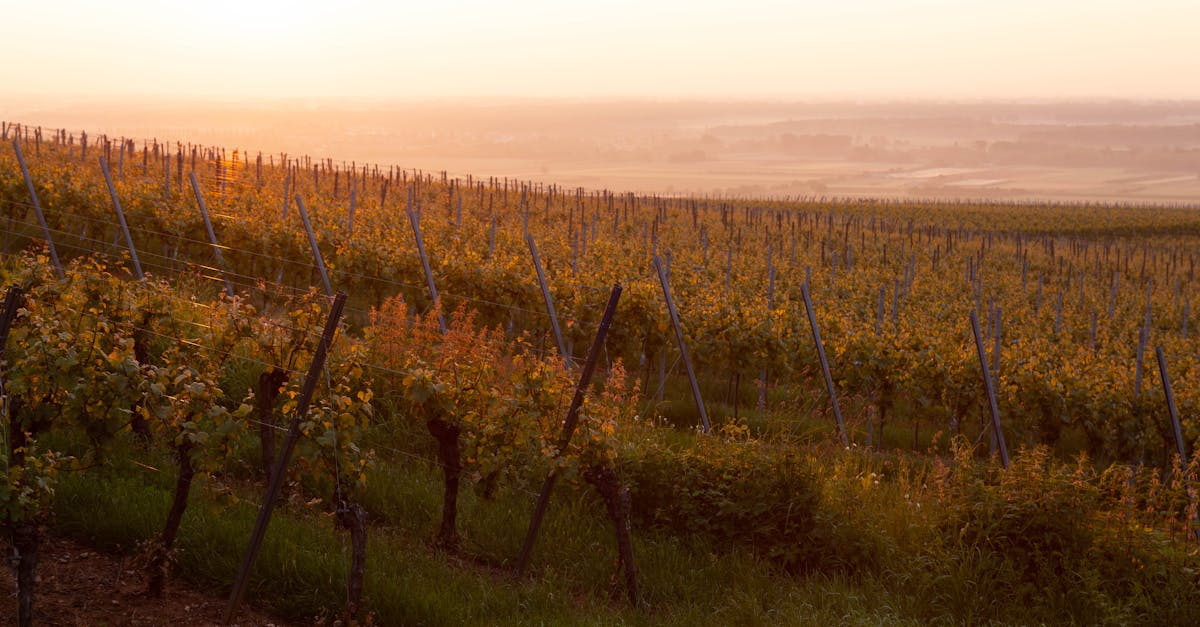
Alsace, with its light-filled hills and vineyards stretching as far as the eye can see, is much more than just a wine-growing region. It’s a true treasure trove of unique flavors, where each bottle tells a story of authenticity, expertise, and passion. In 2025, tradition meets a new wave of innovation, reviving classic grape varieties like Riesling and Gewurztraminer while inviting the discovery of unique vintages born from the initiatives of renowned estates such as Domaine Zind-Humbrecht and Domaine Ostertag. Whether you’re a seasoned wine connoisseur or simply curious, the journey through Alsace wines promises a sensory immersion that’s both intense and delicate.
It’s also a rendezvous with nature, where the terroir, with its rich and varied soils, is fully expressed in every glass. Alsatian vineyards benefit from a microclimate that gives the wines incomparable freshness, while the grape varieties flourish with finesse and diversity. Learning to taste Alsace wine with elegance means understanding this harmony between tradition and innovation, terroir and creativity.
And then there’s the conviviality of tastings in the magical cellars of the Cave de Hunawihr, local markets filled with spices and local produce, or the legendary Wine Route, which unveils, village after village, the treasures guarded by estates like Domaine Trimbach or Domaine Barmes-Buecher. Not to mention the unmissable events where wine festivals and gourmet discoveries combine to showcase the region’s winemaking excellence.
Ready to unlock the secrets of food and wine pairings that everyone agrees on? Want to play the joker card to dazzle your guests without any hassle? This comprehensive guide takes you on a journey through the art of savoring Alsace wines with a touch of panache and a whole lot of simplicity. To your taste buds! 🍷✨
What are the essential grape varieties for enjoying Alsace wine with elegance?
When talking about Alsace wine, it’s impossible to overlook the grape varieties that are the pride of the region. Each of them is a world apart, bringing its own unique character, aromatic complexity, and typical freshness. To help you get the right wine tasting experience, here’s a look at the Alsatian stars whose reputation extends far beyond regional borders.
Riesling reigns supreme. This dry white wine seduces with its minerality and subtle notes of white flowers and citrus. It is the pure expression of the Alsatian terroir. At Domaine Trimbach, for example, Riesling is carefully aged to reveal a perfect balance between acidity and fruitiness. Drink it chilled, it pairs wonderfully with seafood or delicate fish. Gewurztraminer
is the star of the show when it comes to opulent wines. This aromatic bomb takes you on an exotic journey with its intense notes of lychee, rose, and sweet spices. At Cave de Turckheim, the wines can even flirt with soft textures that caress the palate. It’s the perfect grape variety to enhance foie gras or spicy Asian dishes without ever overwhelming the flavors. Pinot Gris
offers a beautiful golden color and a slightly fuller-bodied wine. It plays on rich aromas of ripe fruit and honey, making it an ideal companion for creamy dishes or poultry in sauce. Domaine Albert Mann is a master of this art, producing wines of natural elegance that leave a lasting impression on the palate.
Muscat, often lesser-known, nevertheless has many advantages. Its floral and slightly sweet aromas pair perfectly with fruity desserts or mild cheeses from the region. Thanks to Domaine Paul Blanck, this grape variety is gaining recognition for its ability to impress during a light and convivial aperitif. We must also not forget Pinot Noir, the king of Alsatian red wines. Rather light and fruity, they pair well with red meats and game. These wines are often offered by estates such as Domaine Hugel or Domaine Barmes-Buecher, which showcase this grape variety with finesse and respect for tradition. To clearly list the grape varieties and their pairings, here is a summary table to guide your choices: 🍇
🍷 Grape Variety 🌟 Main Characteristics🍽️ Ideal Food and Wine Pairings
Riesling
| Dry, mineral, aromatic wine (white flowers, citrus fruits) | Seafood, delicate fish | Gewurztraminer |
|---|---|---|
| Sweet, exotic wine (lychee, spices, rose) | Foie gras, spicy dishes, Asian cuisinePinot GrisRich, full-bodied (honey, ripe fruits) | Poultry in sauce, creamy dishes |
| Muscat | Floral, slightly sweetMild cheeses, fruity dessertsPinot Noir | Light and fruity red |
| Red meats, game | 🌿Explorewines from | Domaine Zind-Humbrecht |
| for an authentic and committed experience with organic wines. 🥂 | Try | the finesse of Crémant d’Alsace as a festive aperitif, perfect for any occasion. |
| 🧀 | Pair | a Gewurztraminer from Domaine Ostertag with foie gras for a dazzling feast. |
- Discover the fascinating world of Alsace wines, where centuries-old traditions and unique grape varieties intertwine to deliver exceptional flavors. Immerse yourself in the enchanting terroirs of this wine-growing region, known for its aromatic white wines and picturesque landscapes. Explore the best tasting tips, cellar tours, and food and wine pairings to fully appreciate Alsace. How to properly observe the temperature and choose the right glass to enhance Alsace wine? When it comes to tasting Alsace wine, temperature and glass are no joke. It’s a bit like playing a balancing act, where every detail counts to reveal all the flavors and aromas. Failure to observe these parameters is tantamount to missing out on a sensory experience. Simply play the joker card and follow these simple tips to showcase these nectars. The perfect temperature varies depending on the grape variety and type of wine. In general, Alsace white wines are best enjoyed chilled but not iced, between 8° and 11°C. For example, a Riesling or Pinot Gris at this temperature releases all its delicate aromas, while a sweet Gewurztraminer requires a slightly higher temperature (10°-12°C) to express its opulence. Alsatian red wines, such as those made from Pinot Noir, are best enjoyed at a temperature around 14°-16°C, slightly cooler than classic reds, to maintain freshness and elegance.
- Regarding the choice of glasses, they should allow the wine to breathe and concentrate its aromas. For classic white wines, opt for glasses with thin stems and a wide mouth but narrow neck; this concentrates the floral and fruity notes. For sweet or liqueur white wines, a smaller glass with a more closed opening helps direct the aromas to the nose without dulling the sweetness. For Pinot Noir, a light red wine glass with a medium opening allows for just the right amount of oxygenation and brings out the wine’s aromas.
- It’s not uncommon to encounter these recommendations in the cellars of the Cave de Hunawihr or during tastings at Domaine Paul Blanck, where the tricks to enhance the nectar are passionately taught.
🍷 Choose a glass suited to the type of wine to
amplify the aromas.
⏳ Allow the wine to open up a little before tasting to reveal its full range. 🍇 Grape Variety 🌡️ Ideal Temperature (°C)
🥂 Recommended Glass Type
Riesling 8 – 11Wide white wine glass with a narrow neck
Gewurztraminer
10 – 12 Smaller, closed white wine glass Pinot Gris
- 8 – 11 Classic white wine glass Pinot Noir
- 14 – 16 Light red wine glasshttps://www.youtube.com/watch?v=VpqFwd1YlrU
- What are the best food and wine pairings for tasting Alsace wines?
| The art of elegantly enjoying an Alsace wine doesn’t stop with the glass or the temperature. To get the right taste and delight the senses, there’s nothing better than a judicious pairing of wine and what’s on the plate. With the richness of Alsatian cuisine and the subtleties of its wines, there’s truly something for everyone! | There are plenty of opportunities, whether it’s to impress at a cocktail party with friends, brighten up a family meal, or celebrate a special moment. Here are the essential pairings, which work like magic keys to awaken the flavors. | 🥂 |
|---|---|---|
| Gewurztraminer | : The perfect companion for foie gras, spicy dishes, and strong cheeses like Munster, this spicy and floral combination is a classic. | 🐟 |
| Riesling | : Perfect with fish, seafood, and dishes with tangy sauces. Its liveliness perfectly balances the sweetness of crustaceans or the finesse of shellfish. | 🍗 |
| Pinot Gris | : A delicious pairing with poultry in sauce, creamy dishes, or even mushrooms. A great way to play with rich textures. | 🍇 |
| Pinot Noir | : A natural match for red meats and game, its fruity lightness harmonizes with mild spices. | 🥖 |
: For festive aperitifs, this sparkling wine is perfect with savory snacks, seafood, or even light pastries.
A visit to
Domaine Hugel
- will also inspire you to pair wines and food thanks to expert advice and personalized tastings. The Cave de Hunawihr is also a great place to experience these pairings firsthand, while savoring Alsatian specialties like sauerkraut and baeckeoffe. Here’s a summary of classic pairings, ideal for successful meals and making each tasting experience a memorable one: 🍇 Wine 🍽️ Ideal Food Pairings
- 🌟 Highlighted Tasting Notes Gewurztraminer Foie gras, spicy dishes, strong cheeses (Munster)
- Powerful aromas, spices, exotic flavors Riesling Fish, seafood, tangy dishes
- Freshness, minerality, balanced acidity Pinot Gris Poultry sauce, creamy dishes, mushrooms
- Rich body, notes of honey and ripe fruit Pinot Noir Red meats, game
Low tannins, light fruitiness, elegance Crémant d’Alsace Aperitifs, snacks, light pastries
Fine bubbles, freshness, festive
| Discover the wines of Alsace, a wine-growing region renowned for its aromatic grape varieties and picturesque landscapes. Explore the riches of this wine-growing region through cellar tours, unique tastings, and a winemaking tradition rooted in the terroir. | Where can you discover the best tasting experiences and cellar tours in Alsace? | In 2025, the Alsace region continues to innovate to offer enthusiasts and the curious exceptional tasting experiences. Winery tours are no longer just a stopover, but a true journey through time and local culture, where each estate generously reveals its secrets and specificities. |
|---|---|---|
| Domaine Zind-Humbrecht | , for example, is a must-see with its organic and biodynamic practices, which convey a pure expression of the terroir. There, everything is done to encourage visitors to immerse themselves in the quintessence of Alsace wine with elegance and authenticity. | |
| Domaine Trimbach | , famous for its precise and distinguished Rieslings, offers in-depth tours that allow visitors to understand the subtleties of winemaking and aging. In the Trimbach family, knowledge has been passed down for generations, and it is evident in every bottle. More intimate, the | |
| Cave de Hunawihr | delights with its warm setting and attentive tastings. Ideal for tasting a wide range of wines, this winery is perfect for a first introduction while benefiting from expert advice. | For those wishing to discover exceptional wines in a more contemporary setting, the |
| Domaine Ostertag | combines tradition and modernity, with a strong emphasis on respect for nature and the soil. A sensory experience that deserves a break in your calendar. | 🍇 |
| Participate in wine workshops led by passionate winemakers. | 🏞️ | Explore the Alsace Wine Route for a stroll through charming villages and authentic wineries. |

Attend wine festivals, truly convivial gatherings where tasting and traditions blend. With this in mind, wineries like Domaine Hugel and Cave de Turckheim are truly essential for expanding your winemaking horizons.
How does the Alsatian terroir influence the quality and taste of wine?
The soul of Alsace wines stems from an exceptional terroir, blending diverse soils and a specific climate. Understanding this natural alchemy unlocks the secret of the elegance of Alsatian wines. The terroir is composed primarily of varied soils: granite, limestone, gneiss, and clay intertwine to provide an incomparable mineral richness. This diversity has a direct influence on the aromatic expression of the wines. For example, a Riesling grown in limestone soil will tend toward finesse and liveliness, while a denser fruitiness will appear in granite soil.Alsace’s continental climate, characterized by hot, dry summers and cold winters, also plays a fundamental role. This alternation promotes slow and optimal ripening of the grapes, preserving their acidity and freshness. The vines benefit from abundant sunshine, while being protected from strong winds by the Vosges Mountains. The importance of tradition is inseparable from terroir. Estates like Domaine Paul Blanck have worked the same plots for generations, constantly adapting their practices to current ecological and climatic requirements. Whether through manual harvesting or precise vinification, nature is respected to allow the full subtlety of the Alsatian terroir to express itself.
🌱 The diversity of the soilsguarantees varied and exceptional aromatic profiles.
🌞 The Alsatian microclimate boosts the freshness and balance of the wines.
🌿 Organic and biodynamic cultivation methods reinforce the natural expression of the terroir. 🌍 Element
- 🎯 Impact on Wine 🏞️ Alsatian Examples Limestone Soil
- Promotes finesse and acidity Domaine Trimbach, Riesling Granite
- Provides power and fruitiness Domaine Zind-Humbrecht Continental Climate
Slow Ripening, Preserved Freshness Alsace Vineyards Protected by the Vosges Mountains Alsace reveals its unique character here, thanks to this subtle alliance between the land, the climate, and the passionate work of the winemakers. Savoring a glass is much more than just a wine: you’re tasting a terroir, a history, a way of life. Frequently Asked Questions: Everything you need to know to savor Alsace wine with elegance 🍇 What is the best Alsatian grape variety to begin a tasting?
Riesling is perfect for beginners thanks to its balance of freshness and fruitiness, offering an easy introduction to Alsace wines.
🍷 How should you properly store a bottle of Alsace wine?
Keep it in a cool, dark place, ideally at 12-14°C with stable humidity to preserve its aromas.
🍽️ What typical Alsatian dishes pair best with Pinot Noir? Pinot Noir pairs particularly well with sauerkraut and braised red meats, highlighting its fruity notes and finesse.
🥂 What’s special about Crémant d’Alsace?
- This sparkling wine, made using the traditional method, is characterized by its fine bubbles and freshness, making it ideal for lighthearted celebrations. 🎉 Where can you enjoy unique tasting experiences in Alsace? Visit renowned estates such as Domaine Zind-Humbrecht and Domaine Ostertag, or indulge in a convivial discovery at the Cave de Hunawihr.