Burgundy, a legendary wine region, fascinates with the depth and finesse of its vintages. But for these gems to fully reveal their potential, it’s best to invest a little time and attention in their preservation. Between old and modern cellars, choosing the right accessories and mastering environmental conditions, we’ve put together this hassle-free guide to satisfy everyone. Because yes, preserving a Burgundy wine requires preparation and adaptation. By adopting the right reflexes, whether you’re a seasoned wine connoisseur or simply curious, your bottles won’t just be stored, but pampered. The ideal temperature, the perfect humidity, the positioning of the bottles—no detail is left to chance. So, together, we’ll decode the secrets of Burgundy wine cellars, without neglecting must-sees like Domaine de la Romanée-Conti or Maison Louis Jadot. You’ll see, it’s simpler than it seems, and let’s find the best way to effectively preserve your Burgundy wine! Why are temperature and humidity key to preserving your Burgundy wine?
Let’s start with something no one can ignore: temperature and humidity. Two factors that can make or break the future of your bottle. Burgundy is distinguished by very specific requirements due to the complexity of its wines. An ideal and constant temperature is the basis, and it should be around 12 to 14 degrees Celsius. Why this niche? Quite simply because neither too hot nor too cold, this cool little corner will allow the wine to mature without disrupting its aromas or accelerating its aging process.
Imagine leaving your precious bottles in a garage where the temperature constantly fluctuates. The result: the wine deteriorates more quickly, loses its structure and freshness, and its finely crafted flavors fade prematurely. Conversely, intense cold freezes the wine without giving it a chance to evolve. A fragile balance, therefore, must be sought without stress, but with rigor.
As for humidity, it must remain between 70% and 75% to act as the perfect guardian of the cork. Too dry, and nature threatens to dry out the cork, the number one enemy of a well-kept bottle. A shrinking cork lets air through, which causes the wine to age rapidly, or worse, oxidize the aromas. On the other hand, too high a humidity, above 75%, is also not without consequences: it can encourage the growth of mold on the corks and labels, which would spoil the aesthetics of your collection. It’s a bit like a beekeeper’s hive, where you have to keep the humidity just right!
Here’s a quick recap
to get it right: 🌡️ Constant temperature between12°C and 14°C
- – avoid fluctuations! 💧 Relative humidity between 70% and 75% to keep the cork in good condition
- 🌑 Store away from light to protect sensitive aromas 🔇 Avoid any vibration that could disturb the wine ↔️ Horizontal position of the bottles so that the wine maintains contact with the cork
- Key Factor
- Ideal Range
- Consequences of Error
| Temperature | 12°C – 14°C | Accelerated aging, altered aromas, faded flavors |
|---|---|---|
| Humidity | 70% – 75% | Dried cork or mold on the bottles |
| Light | Total absence or low light | Degradation of organic compounds, light taint |
| Vibration | Minimal | Disruption of natural deposit, premature oxidation |
| Bottle Position | Horizontal | Cork drying, air penetration |
| In a region like Burgundy, where Domaine Faiveley and Château de Meursault are benchmarks, respecting these points ensures the longevity of your investment in fine bottles. Don’t hesitate to equip yourself with a hygrometer and thermometer to keep an eye on the actual conditions in your cellar. Otherwise, a modern wine cellar with automatic controls is a welcome Swiss Army knife, especially in urban areas where nature sometimes plays against you. | Discover our wine storage solutions to preserve the quality and flavor of your bottles. Explore our expert advice on storage, ideal temperature, and humidity to optimize your wine collection. | What specific influence does it have on wine quality? |
Temperature increases or slows down the chemical reaction in the bottle. Excessive heat causes the wine to evolve too quickly, causing a loss of balance between acidity, tannins, and secondary aromas. Conversely, if the wine is too cold, it doesn’t fully develop its sensory qualities.
https://www.youtube.com/watch?v=hvJCFYlCbvk
How do Burgundy’s terroir and climate influence wine preservation?
Burgundy is not just a region; it’s a mosaic of terroirs, where each vineyard writes its own unique musical score. From the mineral Chablis to the intense Côte de Nuits, by way of the fruity Mâconnais, this diversity requires mastery right from the storage stage. The local weather, with its harsh winters and sometimes hot summers, requires adaptation to ensure the wine retains its exceptional character and delicate aromas.
Another important point concerns light. Burgundy wine is protected in dark-tinted bottles, but even the thickest glass is insufficient against the harmful effects of UV rays. At prestigious estates such as Château de Pommard or Maison Joseph Drouhin, every effort is made to limit this exposure, including the management of openings and lighting. ☀️ Block out or filter out any direct light
🌬️ Avoid drafts in the cellar
🍃 Maintain a stable environment without strong odors 🧱 Choose an underground or buried cellar if possible Burgundy Characteristics Implications for ConservationExample of a Wine Estate
Variety of Soils (Clay-Limestone, Marl)
Weakening of wines requiring gentle storage Domaine Faiveley, Château de Meursault Variable climate (cold winters, hot summers) Need for constant temperature and humidity controlDomaine de la Romanée-Conti, Maison Louis Jadot
- Sunny weather in summer
- Storage in the dark to protect aromas
- Caves de Bourgogne, Château de Pommard
- Finally, in a context where outdoor temperatures are gradually rising, especially in summer, considering a high-performance wine cellar with climate control is now a wise investment. This will ensure you avoid unpleasant surprises and see your bottles improve over the years, as the great vintages suggest.
| Discover our innovative solutions for wine storage. Protect your bottles in optimal conditions while adding a touch of elegance to your home. Whether you are a passionate collector or an amateur, our storage systems meet all your needs. https://www.youtube.com/watch?v=L9LU0VHIaAg | What accessories should you choose to properly store your Burgundy wines? | Without going into the lion’s den, Burgundy wine requires a few essentials to protect it as it deserves. Combining tradition and modernity, here are the pieces of equipment that work well to ensure your collection lasts: |
|---|---|---|
| 🥂 | Wine cellar | with precise temperature and humidity control, for customized storage. |
| 📏 | Thermo-hygrometer | allows you to constantly check that conditions remain optimal. |
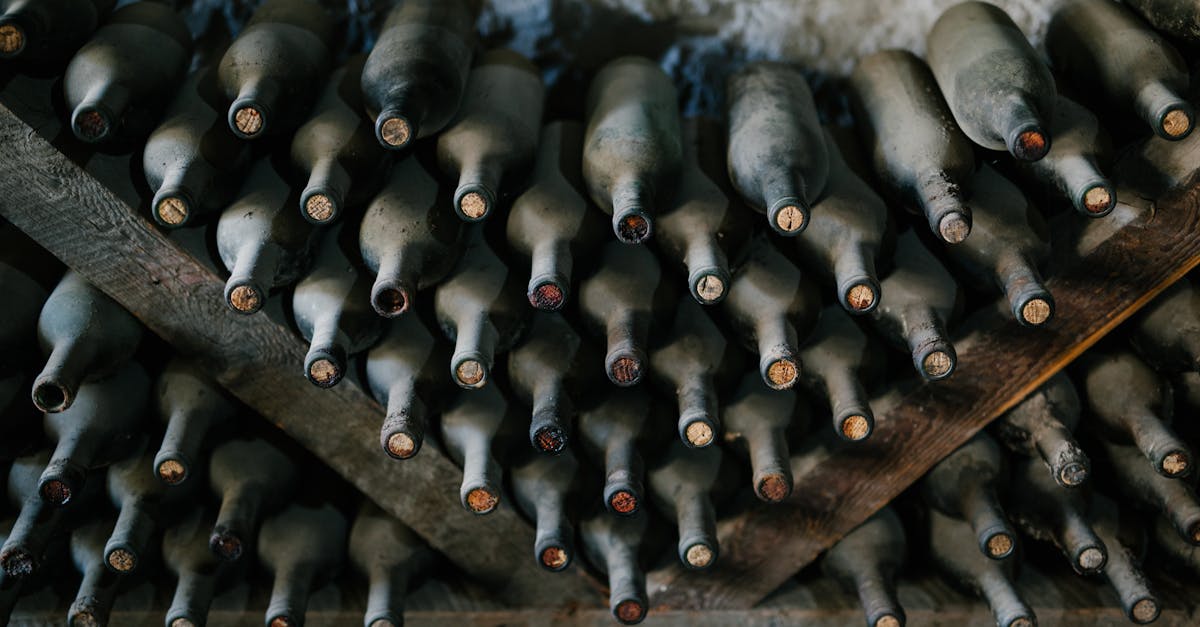
| 📚 | Horizontal bottle racks | in wood or metal, so that each bottle maintains the correct angle. |
🔒
🍷
Aerator
- : a clever accessory to quickly reveal aromas during tasting. Choosing a good wine cellar means investing in a device capable of replicating the conditions of a natural cellar, such as those found at the Domaine des Hospices de Beaune or Domaine Faiveley. Choose models with anti-vibration controls and UV-resistant doors for maximum protection. If you have the space, a multi-temperature cellar is ideal for managing the maturation of different types of wine. For example, you can store whites, such as those from Château de Meursault, at a cooler temperature than your reds. This is a luxury appreciated by those who invest in quality wines, particularly those from Pierre Labet or Maison Louis Jadot. Accessory Function
- Specific Benefit Wine Cellar Temperature and Humidity Control
- Preserves Long-Term Quality Thermo-Hygrometer Monitoring Conditions
- Allows Quick Adjustments Bottle Rack Horizontal Storage
- Keeps Cork Moist Airtight Cork Post-Opening Protection
Limits Oxidation Aerator Rapid Oxygenation Instant Aromatic ReleaseOverall, it’s an investment that helps avoid disappointments and allow you to focus on what really matters: tasting and discovery. To expand your tasting knowledge, also discover how to choose the right wine glasses!
What advice should you give before purchasing and storing your Burgundy wine? Before even thinking about storage, it’s best to choose your bottles carefully. Whether at Domaine de la Romanée-Conti or Maison Joseph Drouhin, knowing the vintage, the appellation, and the producer is essential. This step ensures the bottle’s aging potential and its ability to age gracefully. Here’s a quick checklist to keep in mind when purchasing or storing: 🍇 Choose renowned estates and respect the terroir. 📜 Check the label for the vintage and the appellation (regional, village, premier cru, or grand cru). 📦 Pay attention to the wine merchant’s or wine merchant’s storage conditions.🛑 Avoid bottles with damaged corks or labels.
| ⏳ Consider the expected aging period; some wines are best drunk young, others should be left to age. | A good vintage often depends on the harvest weather and the producer’s diligence. For example, recent discussions about the 2022 vintage have been very positive, particularly for the Côte Chalonnaise, a must-have for diversifying your collection. For optimal storage, also look at advice related to Rhône wines, such as this specialized guide, as the aging principles are similar. Criteria | Practical Advice |
|---|---|---|
| Example | Producer | Choose a recognized and respectful estate |
| Domaine Faiveley, Pierre Labet | Vintage | Prioritize years renowned for their quality |
| 2022 for Burgundy | General Condition | Check cork and label |
| Bottle intact with no traces of extreme humidity | Appellation | Choose according to aging potential |
| Grand Cru or Premier Cru | Finally, read our tips for choosing your wines during visits: | Understanding a wine label |
is a game-changing skill. It prevents you from making storage mistakes and always showcases your wines at the right time. https://www.youtube.com/watch?v=WULA4hH-t0Q Practical FAQ for Storing Your Burgundy Wine
What is the ideal temperature for storing a Burgundy wine?
A constant temperature between 12°C and 14°C should be maintained to avoid variations that can be detrimental to aging. Why store bottles horizontally? This position keeps the cork in contact with the wine, preventing it from drying out and preventing air from entering, which would otherwise oxidize the wine. Can you store your Burgundy wine without a cellar? Yes, a cool, dark, and vibration-free place—such as an indoor closet—is suitable for short- to medium-term storage. For long-term storage, a fully equipped cellar is preferable.How can you prevent mold on corks?
Maintain humidity between 70 and 75% and good ventilation in the cellar.
- What accessories are essential for storage?
- A good wine cellar, a hygrometer, a horizontal rack, and airtight corks for opened bottles.