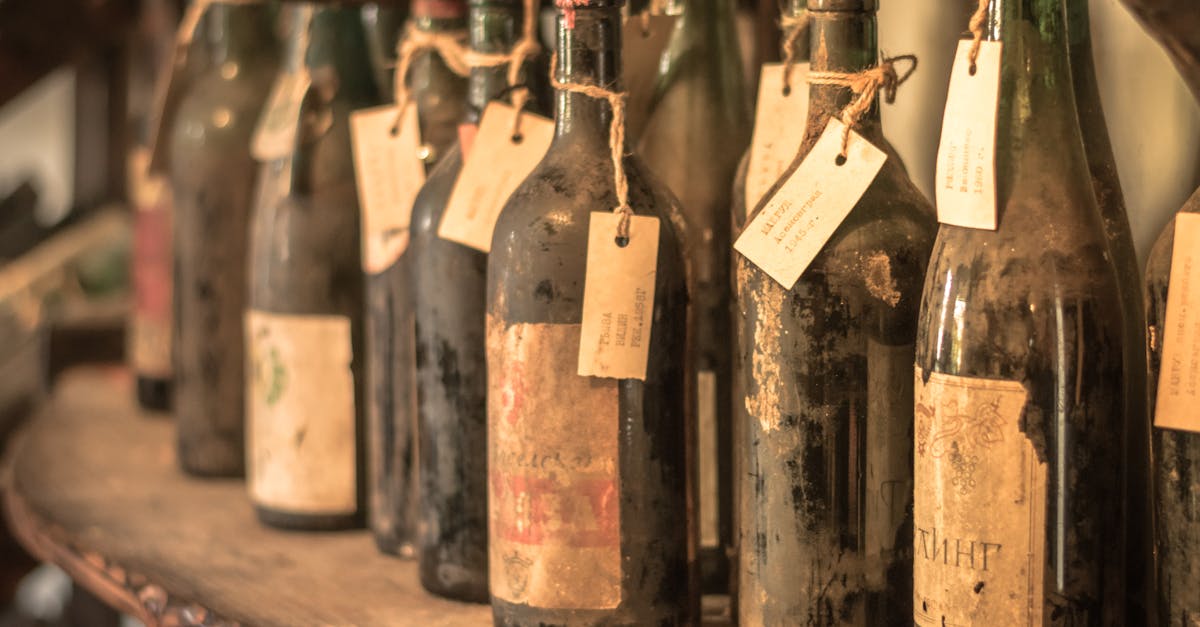
Standing in front of a shelf full of wine bottles, whether at your favorite wine merchant or the local supermarket, it’s not always easy to know which bottle to choose. The Rhône Valley, this rich and dynamic region, offers a multitude of wines with diverse profiles, and their labels often prove to be a code to decipher. We’ve put together this practical guide to help you understand what these labels hide and how they can guide you toward the wine that will delight you. You don’t need to be an expert to navigate them; you just need to know what to look for and what vocabulary to identify. Whether you’re an amateur looking for your first Saint-Joseph or a seasoned taster curious to discover the vintages of Domaine Jean-Luc Colombo or Guigal, this analysis will satisfy everyone and transform your next purchase into a wonderful tasting adventure.
From the vintage to the appellations, including organic labels and domain names, every detail on the label tells a story. Some words will be valuable clues, others marketing signals to be taken with a grain of salt. If you want to know how to glean the right information without any hassle, we’ll tackle it step by step. Plus, with a little focus on big names like Chapoutier, Delas Frères, and Paul Jaboulet Aîné, you’ll see that the Rhône has nothing to envy from the legends of Bordeaux or Burgundy. Let the discovery begin, and above all, let the pleasure begin! 🍷
Deciphering the body of the label: what essential information to choose the right Rhône Valley wine? 🍇
The label is a bit like a wine’s identity card. It alone can help you quickly understand what you’re holding in your hands. Generally, it’s divided into two parts: the main label on the front and the back label. The first is often brief, while the second is more detailed and provides additional details. So, what are these essential elements to look for to get the right taste?
The essential information on the front label 🍷
- Vintage: The year the grapes were harvested. The Rhône climate is complex: a mild winter, a dry summer, or a heatwave can all change the outcome from one year to the next. For example, a 2019 wine from Domaine Pierre Usseglio will be different from a 2021.
- Appellation: This certifies where the grapes were grown and sometimes the quality of the wine. In the Rhône Valley, expect to find famous appellations like Crozes-Hermitage, Gigondas, or Châteauneuf-du-Pape.
- Estate name: This identifies the producer, such as Louis Bernard, Chapoutier, or Domaine de la Janasse, names that often guarantee a certain quality.
- Cuvée name: Often a more qualitative label, resulting from a rigorous selection of the best grapes or from a particular terroir.
- Organic logo: If the wine is certified organic (European logo) or biodynamic (like the Demeter label), it’s indicated and will appeal to many of you looking for a more natural wine.
- Alcohol content: Mandatory, it gives an idea of the wine’s character: over 13.5%, it will generally be powerful; below 13.5%, it can be lighter and fresher. Bottler and origin:
- The name and address are always specified, sometimes with the mention “bottled at the estate” if the winemaker does everything himself. Batch number:
- For traceability, this may seem trivial, but it’s important in case of health concerns. Here’s a table to help you remember these essential elements:
Element on the label 🍇
| What it tells you | Example in the Rhône Valley | Vintage |
|---|---|---|
| Harvest year (quality influenced by weather) | 2018 for a wine from Domaine Saint-Préfert, a warm and sunny year | Appellation |
| Origin and quality standards | Châteauneuf-du-Pape AOC | Domaine |
| Producer | Delas Frères | Cuvée |
| Specific wine, often high-quality | “La Landonne” from Domaine Jean-Luc Colombo | Organic logo |
| Organic/biodynamic certification | European organic logo or Demeter label | Alcohol content |
| Strength and type of wine | 14% for a powerful Gigondas | Bottler & provenance |
| Where the wine was bottled | “Bottled at the Château” at Paul Jaboulet Aîné | Discover the fascinating world of wine labels: a complete guide to their history, design, and essential role When choosing your bottle, immerse yourself in the art and culture of winemaking through these works of art on paper. |
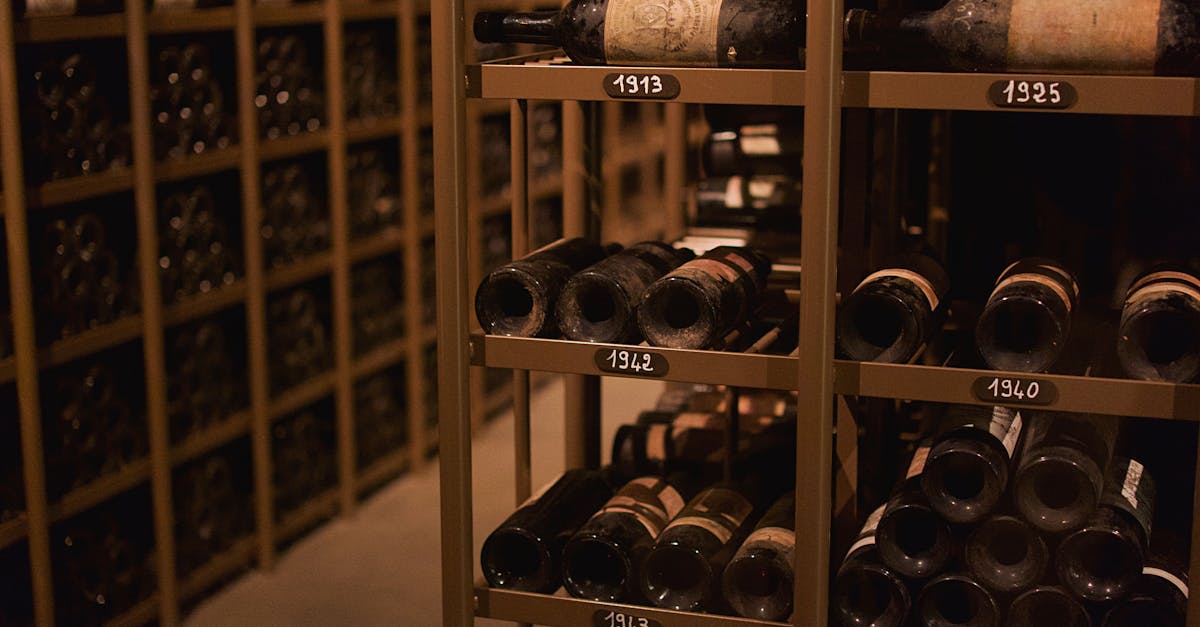
The back label is your best friend for digging a little deeper than the visible side. Thanks to it, you get:
Grape varieties used:
- Grenache, Syrah, and Mourvèdre reign supreme here, with the occasional hint of Cinsault or Clairette. Winning techniques:
- Aged in oak barrels, forced malolactic fermentation… these details impact the taste and texture. Tasting notes:
- We sometimes describe the aromas and mouthfeel to prepare you for the experience. Food and wine pairings:
- A few tips to make your wine shine at the table. Allergy information:
- Such as the presence of sulfites, essential for those with allergies. Aging time and serving temperature:
- Important to fully enjoy this nectar. You’ll sometimes find specific mentions like “neither filtered nor fined,” to warn you of a slightly cloudy but authentic natural wine. It’s a real treasure trove of information, so read it! Back Label Information 🍷
Importance
| Example | Grape Varieties | Understanding the Aromatic Composition |
|---|---|---|
| 80% Grenache, 15% Syrah, 5% Mourvèdre | Vinification | Identifying Oak Influences, Aging |
| Aged in Barrels for 12 Months | Tasting Notes | Getting an Idea of the Flavor Profile |
| Aromas of Red Fruits, Spices, and Licorice | Food & Wine Pairings | Tips for Pairing |
| Grilled Lamb Chops | Allergens | Healthy Essentials |
| Contains Sulfites | https://www.youtube.com/watch?v=KktNUhrUmBg | Marketing Information on Rhône Wines That Shouldn’t Be Taken as Gospel 🍾 |
When words dance with marketing: beware of the traps
Vieilles vignes:
Often taken as a quality label, this label indicates older vines, which produce concentrated grapes. The problem? This designation isn’t regulated, so the precise age of the vines is completely unclear.
- Grand Vin: You’ll sometimes read this, often in Bordeaux but also among some Rhône producers like Delas Frères. This generally designates the estate’s best vintage, but it’s a house designation, with no official guarantee.
- Medals: A useful reassurance, they indicate a competition won, but not all good wines necessarily have them. They’re not an absolute guarantee of quality. QR codes, hashtags, and other gadgets:
- Some producers like to use them to attract younger audiences and create connections. It’s nice, but it’s no substitute for quality! Marketing statement 🍸
- What you need to know Beware of…
| Old vines | Suggests a quality linked to the age of the vine | No standard, vague age |
|---|---|---|
| Great Wine | House quality, high-end | Unofficial, can be confusing |
| Medals | Marketing awards | Not a universal criterion |
| QR code, etc. | Digital interaction | Not a guarantee of quality |
| To learn more about other regions, you can also take a look at the explanations for choosing a wine in the | Loire Valley | or understanding the grape varieties in |
Alsace , another great wine region to discover. How to read between the lines: the language of grape varieties and terroirs in the Rhône explained 🌱 If you really want to please everyone, you shouldn’t just look at the legal notices. The heart of the wine is its composition and origin. It works quite well to have some reference points on the key grape varieties and terroirs to better understand what you’re about to taste. It also helps to understand why certain Rhône wines, such as those from Domaine Saint-Préfert or Val des Rois, have such strong character.The grape varieties that make Rhône wines famous 🍒
Grenache:
King of reds, it provides body and fruity notes (red berries). Its presence is prominent in Châteauneuf-du-Pape and Gigondas.
Syrah:
- Structure, tannins, and spices come from it, particularly in Hermitage and Crozes-Hermitage. Mourvèdre:
- A powerful and tannic wine, it adds complexity. Clairette:
- Typical of Rhône whites, it provides freshness and roundness. Viognier:
- A grape variety that perfumes Condrieu and Côte-Rôtie with floral and exotic notes. The magic also happens thanks to the terroirs. From limestone soils to granite terrain, each plot gives the wine a unique identity. When you see a Domaine Pierre Usseglio label, you can be sure that the land and climate have been cultivated to their full potential to bring out the grape’s best expression.
- Grape Variety 🍇 Characteristics
Key Appellations
| Grenache | Red fruits, roundness | Châteauneuf-du-Pape, Gigondas |
|---|---|---|
| Syrah | Spices, tannins, structure | Hermitage, Crozes-Hermitage |
| Mourvèdre | Strength, complexity | Vacqueyras, Bandol (southern border of the Rhône) |
| Clairette | Freshness, roundness | White wine from the Rhône Valley |
| Viognier | Floral, exotic notes | Condrieu, Côte-Rôtie |
| https://www.youtube.com/watch?v=nVs7aJslL1I | Focus on the great estates and their signature Rhône labels 🏰 | To get the right wine, nothing beats a name that has proven itself in the region. No need to wander through the vineyards blindly; some estates are sure bets and will help you easily choose your next bottle. Whether it’s Louis Bernard, renowned for its Côte Rôtie, or Paul Jaboulet Aîné with its Hermitage, these names speak to Rhône wine lovers. |
A true institution, its range covers numerous appellations with a particular focus on biodynamics. Its label is often understated but effective. Delas Frères:
Masters of Hermitage and the northern appellations, they craft their vintages with precision.
- Domaine Jean-Luc Colombo: Modern and passionate, he often pushes the boundaries to offer aromatic and powerful wines.
- Domaine Saint-Préfert: Located in Châteauneuf-du-Pape, it reveals the richness of the terroir through labels proud of their history.
- Domaine de la Janasse: Known for its full-bodied Gigondas, each bottle tells an ancient and authentic story.
- Val des Rois: This young estate stands out for its innovative approach and fruity vintages.
- Domaine Pierre Usseglio: Specializing in Côtes du Rhône, his wines embody the terroir, revealing finesse and power.
- By focusing on name recognition, you’ll go a long way toward choosing a wine that will dazzle your eyes. You can also compare with other regions and their selections, such as a dive into Bordeaux wines or the selection of Provence wines. It provides a great perspective to refine your palate. Discover the fascinating world of wine labels, a reflection of winemaking art and tradition. Explore the designs, key information, and the story behind each bottle to enrich your tasting experience.
- https://www.youtube.com/watch?v=krhX3x9VgAo Quick FAQ for deciphering Rhône Valley wine labels 🍾❓
What does “estate-bottled” mean? This term indicates that the winemaker carried out the vinification and bottling themselves, a guarantee of control and often quality. How can you tell if a wine is organic simply by looking at the label? The mandatory European organic logo is the official symbol. Some estates also add the Demeter label for biodynamics.Why do some wines indicate “neither filtered nor fined”?
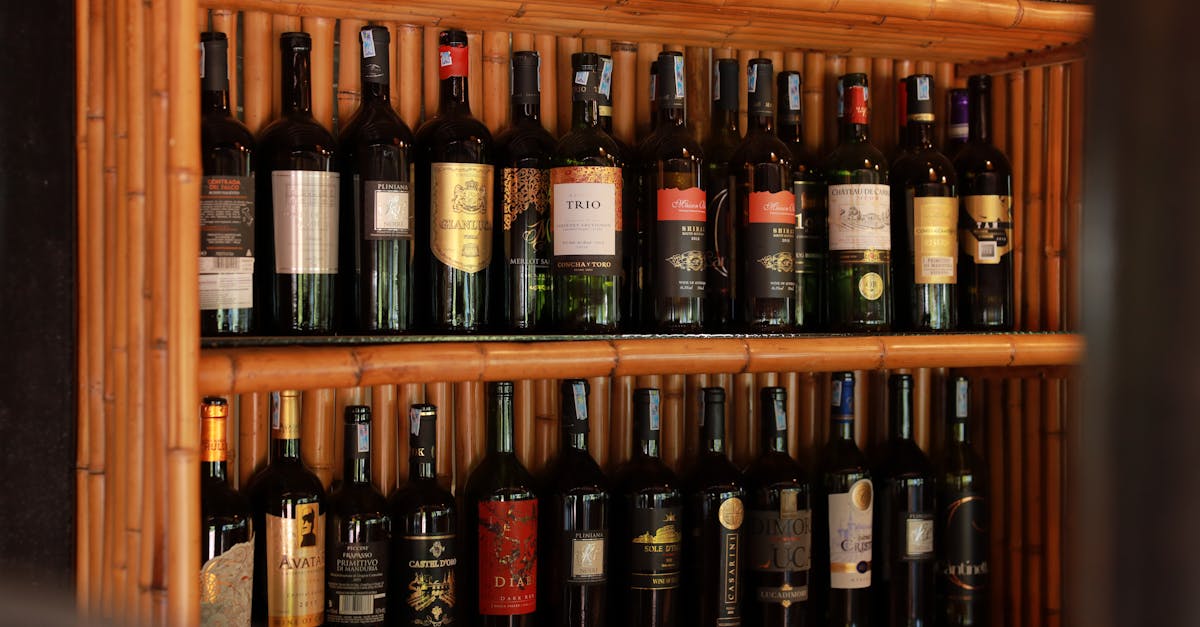
What are the typical grape varieties to look for on a Rhône back label?
- Grenache, Syrah, and Mourvèdre for reds. Viognier and Clairette for whites.