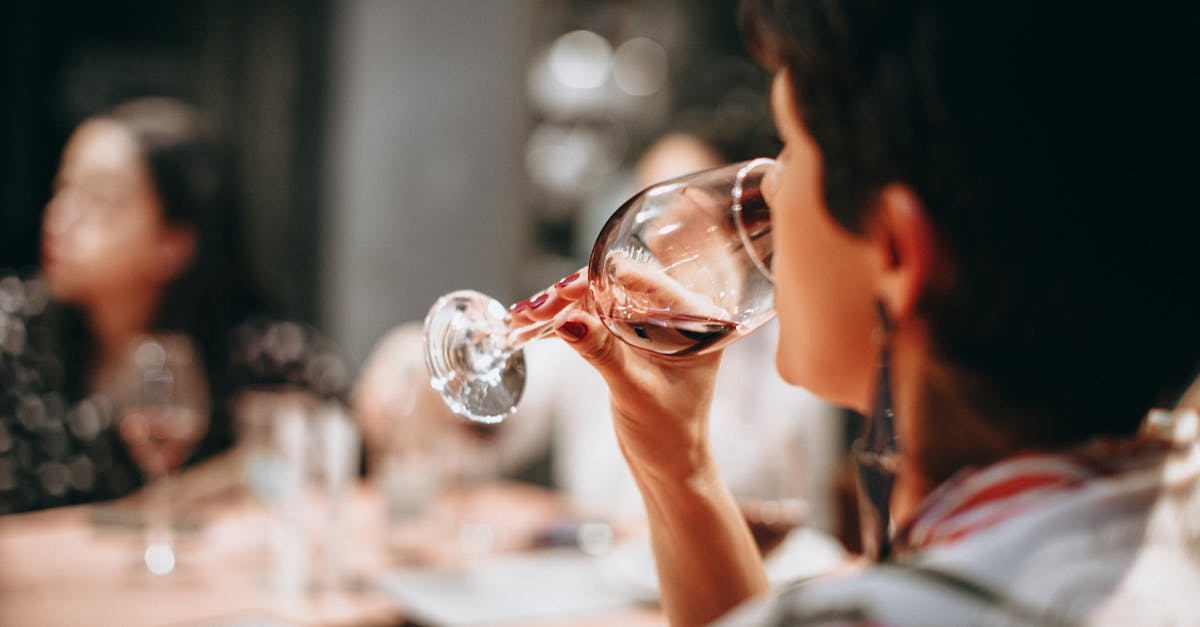
In the vast world of wine, the Southwest of France stands out for its authentic character and unique flavors, often overlooked but rich in emotion. This region, far from the usual spotlight, boasts an impressive array of rare grape varieties, varied terroirs, and ancestral traditions that will delight curious and adventurous palates. Whether you’re a novice or experienced winemaker, diving into the world of Southwest wines is like discovering a world where each bottle tells a story, a terroir, and a particular expertise.
The geographical diversity of the Southwest, with its clay-limestone soils, hills, valleys, and a climate that oscillates between oceanic and mountainous, creates wines of great aromatic complexity. There are powerful red wines, fresh and fruity whites, and even refined sweet wines, offering a range of flavors that are anything but monotonous. But to fully appreciate these wines, you must understand their specific characteristics, their grape varieties, the secrets of their winemaking, and, above all, know how to pair them harmoniously with local cuisine.
Through this guide, you’ll discover how iconic estates such as Château Montus or Domaine de la Jasse craft these exceptional vintages. You’ll also learn to recognize the different grape varieties, such as Tannat or Petit Manseng, and master the art of food and wine pairings with traditional dishes like duck confit or cassoulet. Not to mention tips for tasting, storing, and savoring each bottle to reveal its full richness. Ready to please everyone and dazzle everyone? Let’s embark on a sensory journey to the heart of Southwest France wines! The secrets of Southwest France wines and regional grape varieties to discover Southwest wine is far from being a simple table wine. It is a true oenological mosaic, told through a diversity of grape varieties that have adapted to complex terroirs. Among them, Tannat , the star of Madiran, is famous for its powerful and tannic wines, often described as robust warriors that require a little patience before being fully appreciated. But the panorama doesn’t stop there, with Malbec in Cahors, which offers a fascinating aromatic depth with notes of black fruits and spices. Rarer and more precious, Petit Manseng
seduces with its tangy freshness and exotic aromas, ideal for dry or slightly sweet white wines. Each grape variety conveys a unique olfactory and taste universe, shaped by the richness of the soils and the uniqueness of the microclimates: limestone hills, clay terraces, proximity to the Garonne or the Pyrenees. These terroirs profoundly influence the taste, structure, and balance of the wines. 🌿
Tannat : tannic richness, aromas of black fruits and licorice, long aging potential🍇
Malbec : roundness, spices, notes of plums and black cherries 🍋 Petit Manseng : liveliness, tropical fruits, fresh and elegant finish
🍒
- Colombard : vigor and acidity, ideal for light white wines 🌸
- Négrette : discreet and floral, used in Fronton rosé wines 🍷 Grape Variety
- 🌄 Main Terroir 🎯 Aromatic Profile 🍽️ Food Pairings
- Tannat Madiran (clay-limestone hills) Black fruits, spices, licorice
- Red meats, spicy dishes, mature cheeses Malbec Cahors (limestone and clay soils)
| Plums, cherries, smoky notes | Cassoulet, Game, charcuterie | Petit Manseng | Jurançon (gravelly and sandy soils) |
|---|---|---|---|
| Citrus fruits, pineapple, tangy freshness | Fish, poultry, appetizers | Colombard | Béarn |
| White-fleshed fruits, bright acidity | Salads, shellfish, light dishes | Négrette | Fronton |
| Small red fruits, floral notes | Charcuterie, grilled meats, fresh rosé wines | To deepen your knowledge of wine aromas, it’s interesting to study the typical profiles of neighboring regions like Burgundy, with its characteristic aromas; this provides a clear comparative perspective. To learn more, visit this website on | Wine Aromas in Burgundy |
| , which helps you better understand the unique flavors of the Southwest. | Discover the fascinating world of wine: types, food and wine pairings, tasting tips, and much more for wine lovers and beginners alike. | How does terroir influence the personality of wines? | The Southwest terroir is a patchwork of soils and climates, where each microclimate plays its part. The abundant clay-limestone soil favors the development of balanced vines, capable of producing silky tannins and precise aromas. The south-facing hills benefit from optimal sunshine, allowing for perfect ripening of the grapes. In addition, the proximity of the Pyrenees provides coolness and humidity, creating a temperate climate that preserves the freshness of white wines and the liveliness of reds. |
| ☀️ Sunny exposure for good ripening | 🌧️ Moderate rainfall impacts ripeness and concentration | 💧 Soils that retain water but ensure good drainage | 🌀 Influence of winds that aerate the vines and limit disease |
Estates such as Domaine de L’Heror
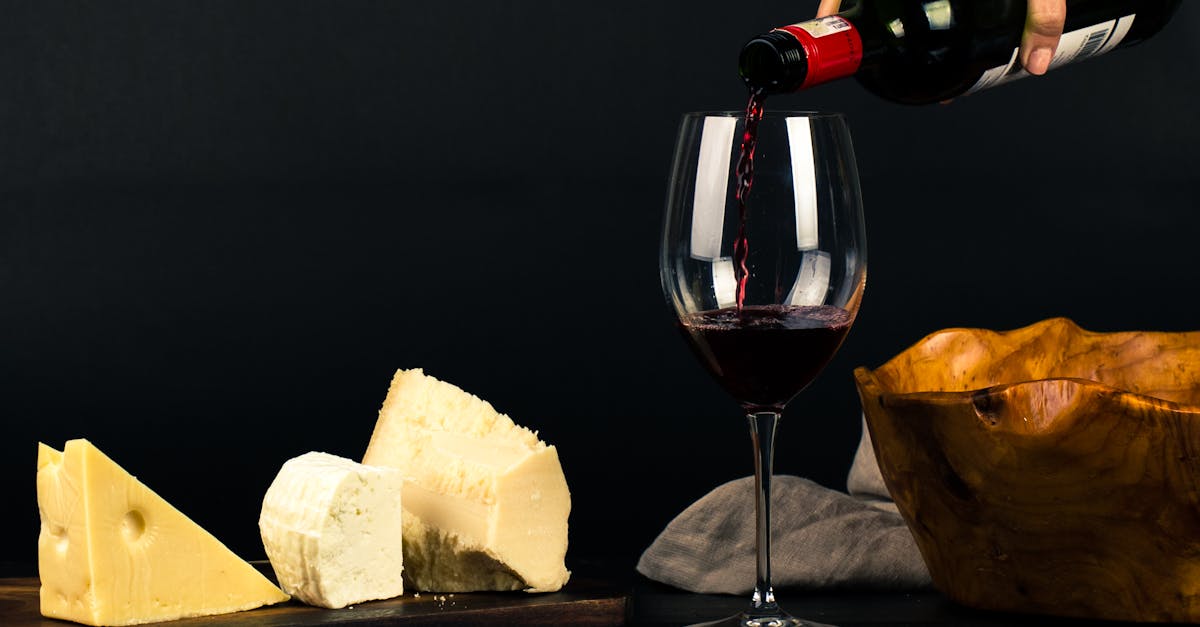
perfectly illustrate this terroir-grape variety relationship, thanks to their ability to reveal the full complexity of the soil in their wines.
- Mastering winemaking to enhance the flavors of the Southwest
- To achieve the right wines from the Southwest, understanding winemaking is essential. Here, winemaking adapts to the character of regional grape varieties and the ambitions of winemakers, blending solid traditions with modern innovations.
- Key Stages of Winemaking in the Southwest
- Hand-harvesting remains the norm at many estates, such as Domaine du Vieux Chêne, to preserve the integrity of the grapes. Fermentation is then carefully controlled to extract aromas without altering the tannins. Maceration produces the intense color and structure of red wines, characteristic of vintages such as Château Roc de Levon.
For white wines, such as those made at Mas des Caprices, gentle pressing is often preferred, followed by aging on fine lees, which gives the wine vigor and roundness. Some winemakers opt for fermentation in oak barrels to add complexity and finesse. 🍇 Long, manual harvests for rigorous selection 🔥 Controlled maceration to balance tannins and aromas 🍾 Temperature-controlled fermentation, often with natural yeasts 🛢️ Sometimes barrel aging to enrich the aromatic palette 🛠️ Step
✅ Impact on the wine
🍷 Estate example
Harvest
Manual selection of bunches Grape quality and concentrationDomaine du Vieux Chêne FermentationExtraction of aromas and tannins
Color and structure Château Roc de LevonAging
- Aromatic ripening
- Complexity and roundness
- Mas des Caprices
- Playing the organic and biodynamic card is also a trend that is working rather well in this region, with estates like
| Celau | showing how tradition and innovation can go hand in hand, preserving natural richness while delivering a perfectly profiled wine. https://www.youtube.com/watch?v=OY-ucnEubKg | How to successfully pair food and wine with Southwest wines? | The Southwest isn’t just about rich viticulture; it’s also a gastronomic region par excellence, where wines enhance generous dishes full of character. To get the right flavors at the table, you need to understand the dynamics of flavors. |
|---|---|---|---|
| A few must-have pairings to please everyone: | 🍗 | Duck Confit | with a full-bodied wine like a |
| Madiran | from | Château Montus | : the powerful tannins enhance the dish’s rich texture. |
| 🍲 | Cassoulet | with a robust | Cahors |
from Domaine de Souch : a fantastic combination of length on the palate and the richness of simmered meats.
Duck Breast
with a fruity Bergerac from
Domaine de la Jasse
- , to balance the tenderness and finesse of the meat. 🧀 Local cheeses with Domaine du Vieux Chêne , which offers supple and aromatic reds, ideal with Comté and small goat cheeses. Balance is key: a wine that’s too tannic risks overwhelming the dish, while one that’s too light can lose intensity when paired with rich cuisine. It’s often enough to play the wild card by choosing wines that are both structured and accessible. 🍽️ Main Course 🍷 Recommended Wine
- 🔥 Characteristic Notes 🏡 Estate Duck Confit Madiran Powerful tannins, black fruit aromas Château Montus Cassoulet
- Cahors Structured, spicy, long finish Domaine de Souch Duck BreastBergerac
- Fruity, supple, balanced Domaine de la Jasse Local Cheeses Smooth Red WineAromatic, rounded
Domaine du Vieux Chêne
| To explore other regional wine pairings, particularly with wines from | Fronton | or the Loire Valley, you will find suggestions that expand the horizon of taste pleasures. The idea: to make each meal unique, without fuss but with plenty of indulgence. | Discover the fascinating world of wine, its varieties, aromas, and food pairings. Learn to appreciate every sip and explore the best wine regions around the world with our comprehensive wine guide. |
|---|---|---|---|
| Wine Tourism in the Southwest: Discover the Producers and Their Treasures | Southwest wine is also an adventure to be experienced on-site, meeting passionate winemakers. Wine tourism is gaining ground and allows visitors to discover charming, often family-run, estates where authenticity rhymes with quality. Some wineries not to be missed 🏞️ | 🍇 | Château Montus |
| : in Madiran, a symbol of powerful and elegant wines | 🌳 | Domaine de la Jasse | : in Bergerac, renowned for its fruity and accessible reds |
| 🍂 | Domaine de Souch | : specialist in Cahors and Malbec with finesse | 🌿 |
| Mas des Caprices | : innovation and tradition in white Jurançon | 🏡 | Celau |
: perfect example of organic and biodynamic viticulture 🍷 Château Roc de Levon
🌼
Domaine du Vieux Chêne
: elegance of the Béarn terroir
- 🌺 Domaine de L’Her : diversity and expression of local grape varieties
- 🍃 Château Cazeau : tradition and authenticity in red wines
- These visits are not only a moment of Tasting is a true sensory and cultural journey. Learning how nature and man shape these wines provides fascinating insights and allows us to better understand why a wine has such a character. The best time to visit? Spring and late summer, when the landscapes are resplendent and the harvest is approaching. 🏞️ Estate 🍷 Specialty
- 🌱 Ecological commitment 📍 Location Château Montus
- Robust and elegant Madiran Partially biodynamic Madiran, Pyrénées-Atlantiques
- Domaine de la Jasse Fruity and balanced reds In organic conversion
- Bergerac, Dordogne Domaine de Souch Refined Cahors Malbec
- Responsible agriculture certification Cahors, Lot Mas des Caprices
- Jurançon white Biodynamic Jurançon, Pyrénées-Atlantiques
Celau
| Organic and biodynamic wine | Strict biodynamic | Southwest | https://www.youtube.com/watch?v=6WF_mEyf7Ho |
|---|---|---|---|
| Practical tips for fully enjoying a red wine from the Southwest 🍷 | For each tasting to be a truly enjoyable moment, you need to give it a little time and know how to prepare your wine. In the Southwest, some red wines require aeration, such as those from | Tannat | for example, to release their complex aromas. Here are some easy tips for fully enjoying your bottle. |
| ⏳ | Let the wine breathe: decant your wine at least 20 minutes before tasting to soften the tannins and bring out the leather or undergrowth notes. 🍷 | Choose the right glass: | Choose a wide-mouthed glass that promotes oxygenation and concentrates aromas on the nose. |
| 👀 | Observe the color | to anticipate the wine’s youth or maturity. | 👃 |
| Smell the wine | in two stages: a first inhalation without swirling, then a second with swirling of the glass to capture the full range of aromas. | 👅 | Take your time in the mouth: |
| Swish the wine around gently, appreciate the balance between acidity, alcohol, and tannins, and note the length on the palate. 🔑 Tip | 🎯 Goal | 🍇 Expected result | Let the wine breathe for 20 minutes |
Open aromas, silky texture
Wide glass Improve the perception of aromas Intense and complex nose
- Temperature between 16-18°C Balance freshness and power Well-balanced flavors
- Rotate the glass Release secondary aromas Fruity, spicy, and oaky notes
- Some red wines, such as those from Château Montus or
- Domaine de Souch have impressive aging potential, able to be kept for 10 to 15 years, or even longer. Aging promotes even more complex aromas, with notes of leather, truffle, or candied fruit that delight discerning wine lovers. For the truly curious, it’s always worth taking a look at recent developments in local viticulture, sometimes compared to other regions such as Languedoc-Roussillon or the Rhône Valley. For example, discovering the specificities of winemaking in Languedoc here provides a compelling complement to the richness of Southwest wines. A beautiful journey between close terroirs and cultural differences.
- https://www.tiktok.com/@/video/7496189837062507778?u_code=0&sharer_language=en FAQ: Everything you need to know to enhance your Southwest wine experience ❓
| What are the emblematic grape varieties of the Southwest? | Tannat, Malbec, Petit Manseng, Négrette, and Colombard are the main grape varieties that make up the richness of the region’s wines. ❓ | |
|---|---|---|
| How to properly store a red wine from the Southwest? | The wine should be stored in a cool, dark place at a stable temperature, ideally between 12 and 15°C, and the bottle should be kept lying down to keep the cork moist. | ❓ |
| What dishes pair well with Madiran? | Madiran pairs perfectly with grilled red meats, spicy dishes, or mature cheeses, which are well-balanced by its powerful tannins. | ❓ |
| Is biodynamic winemaking common in the Southwest? | Yes, several wineries, such as Cetteau, practice biodynamic methods, combining tradition and respect for the environment to create more authentic wines. | ❓ |
| Is it best to decant a young wine from the region? For wines rich in tannins such as Madiran or Cahors, decanting for 20 to 30 minutes allows the aromas to be released and the structure of the wine to be softened. |