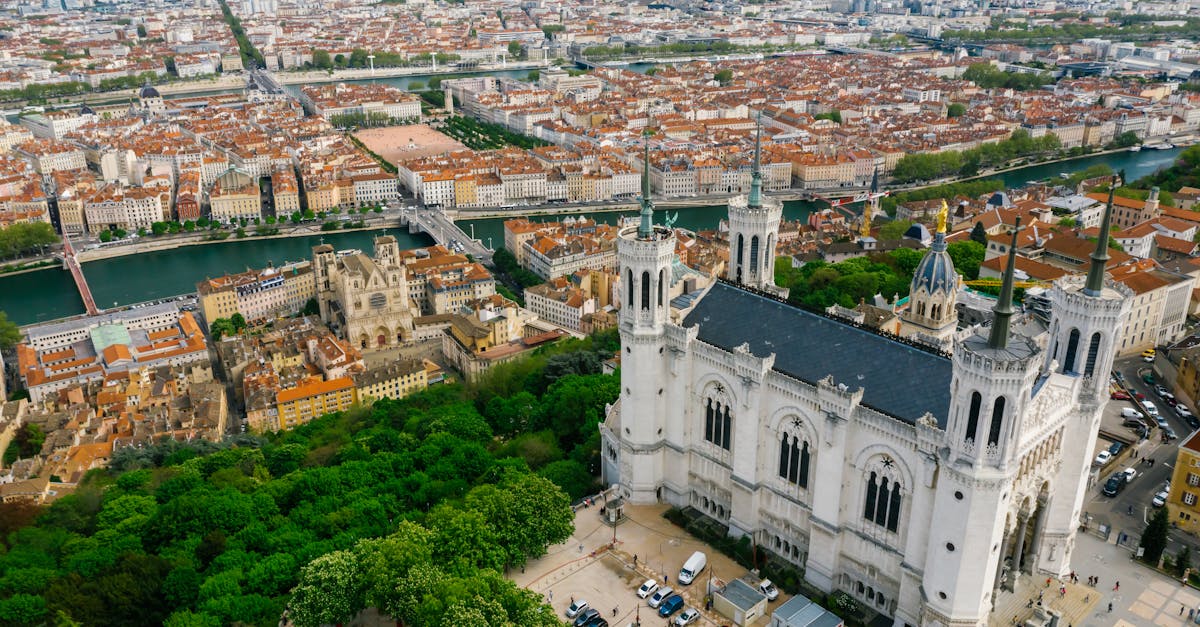
Over 200 kilometers long, the Rhône Valley is a wine-growing gem nestled between the south of Lyon and the Mediterranean, which has established its unique character over the centuries. Its terroirs, interwoven with contrasting climates, varied soils, and rich history, give rise to instantly recognizable wines, often powerful, sometimes elegant. Two large, distinct yet complementary regions share this richness: the Northern Rhône, cooler and mountainous, and the Southern Rhône, warm and sunny. At every corner of the vineyard, we find iconic estates such as E. Guigal and Château de Beaucastel, true benchmarks that perpetuate ancestral expertise. More than just a production, the wines of the Rhône Valley tell a story of authenticity and diversity, shaped over millennia by man and nature. What you taste in your glass is the fruit of an exceptional terroir, a vast palette of grape varieties and techniques, blended with the crisp Mistral wind and the generous southern sunshine. Here, the vines dance with the landscape, alternating steep hillsides and rolling plains, in a subtle balance. This guide invites you to unlock the secrets of this fascinating region, comparing its identity to other French terroirs, with a nod to the personalities of the estates who make all the difference in the bottles. Why does the terroir of the Rhône Valley give its wines such a unique character? We won’t hide from you that the secret to a great wine lies first and foremost in its terroir. In the Rhône Valley, this word takes on its full meaning, as the landscapes, soils, and climate combine to create a true aromatic symphony. On one side, there’s the northern part where the terrain is more rugged, with steep hillsides that capture the morning sun and protect the vines from the nighttime cold. Here, the granite and schist soils promote slow ripening, giving rise to incredibly fine red wines with notes of black fruits, violets, and spices. For example, grands crus like Hermitage or Côte-Rôtie, championed by estates like Domaine Jean-Louis Chave or Domaine Alain Voge, know how to bring out the power and elegance of this terroir. In the south, it’s a different story. The Mediterranean climate reigns supreme, with warmth, sunshine, and the inevitable mistral wind that drives away humidity. The soils are covered with rounded pebbles, particularly in the famous Châteauneuf-du-Pape appellation, where the soil accumulates the heat of the day and releases it at night, helping the grapes ripen perfectly. This produces rich, generous red wines with aromas of jammy red fruits, warm spices, and garrigue. Château de Beaucastel and Domaine du Vieux Télégraphe shine here, famous for their powerful and complex blends. To get a clear idea of the characteristics of Rhône wine, we recommend taking a look at this guide. The table below illustrates the major geographical differences between the two sub-regions: Characteristics 🌿Northern Rhône 🏞️
Southern Rhône ☀️
Climate
Continental, cold winters, hot summers Mediterranean, hot and dry Terrain Steep hillsides, granite and schist soilsPlains and hills, pebble and clay soils
Main grape varieties Syrah, Viognier, Marsanne, Roussanne Grenache, Mourvèdre, Syrah, Clairette Wine Style Elegant, tannic, spicy wines Rich, fruity, generous wines🌟 Terroir, combined with the climate and the choice of grape varieties, is clearly the trump card that distinguishes the wines of the Rhône Valley. These factors form the basis of any memorable tasting in this region, offering a variety of profiles that appeal to both novices and connoisseurs.
Discover the Rhône, this magnificent French department combining nature, culture, and gastronomy. Explore its diverse landscapes, taste its renowned wines, and immerse yourself in its rich historical heritage.
| What are the emblematic grape varieties that give Rhône Valley wines their personality? | The wines of the Rhône Valley also showcase their uniqueness thanks to a range of typical grape varieties, which seem born to capture the specificity of the local terroirs. In the north, you’ll mostly find | Syrah |
|---|---|---|
| , the undisputed queen of reds, sometimes accompanied by a refined touch of | Viognier | in certain appellations such as Côte-Rôtie, producing delicately perfumed wines with a solid structure. It’s particularly in |
| Domaine Thierry Allemand | or | Domaine Raspail-Ay |
| that these grape varieties reveal their full essence. | In the south, the scene changes, and it’s Grenache Noir | that dominates, the king of blends for powerful and sunny wines. Mourvèdre |
| and | Syrah | are added to enrich the flavors, emphasizing notes of ripe fruit, licorice, and spice. Of course, the whites are not left out, thanks to varieties such as |
Roussanne
Marsanne
, Clairetteand Bourboulenc , which offer a much-appreciated freshness and minerality. Estates such as Domaine Paul Jaboulet Aîné and Domaine des Haunes are proud bastions of these white and red varieties. Here is a list of the leading grape varieties, categorized by type, for better visualization: 🍷 Reds : Syrah (North), Grenache, Mourvèdre, Cinsault (South)
🍇 Whites : Viognier, Roussanne, Marsanne, Clairette, Bourboulenc Want to delve deeper into the Rhône grape varieties? Take a look at this comprehensive resource. And to understand the differences with other regions, such as the grape varieties in Provence or Languedoc, now’s the time to play your wild card. Grape Variety 🍾 Priority Area 🎯 Key Characteristics Representative Estates 🏡 SyrahNorthern Rhône Fruity and peppery aromas, pronounced tannins, powerfulDomaine Jean-Louis Chave, Domaine Alain Voge Grenache Southern Rhône Round, fruity, high alcohol contentChâteau de Beaucastel, Domaine du Vieux Télégraphe Viognier North Floral and fruity aromas, supple texture Domaine Thierry Allemand, E. Guigal
Mourvèdre
- South Tannic structure, aromatic complexity Domaine des Haunes, Domaine Paul Jaboulet Aîné
- Discover the Rhône, an emblematic river of France, majestically connecting Lake Geneva to the Mediterranean. Explore its enchanting landscapes, renowned vineyards, and numerous cultural and leisure activities along its banks. How do the wine styles of the Rhône Valley stand out from those of other major French regions? While Bordeaux is often praised for its rigor, or Burgundy for its finesse and elegance, the Rhône Valley plays its part in a class of its own, with distinctive and often very powerful wines capable of great complexity. When it comes to reds, the region doesn’t hold back: in the north, the wines offer a fresh and spicy side, contrasting with the fruitier and full-bodied style of the south. A Côte-Rôtie from E. Guigal, for example, combines elegance and intensity, often a notch above classic Bordeaux in terms of extraction and depth. To understand the character of a red Bordeaux, comparison is sometimes helpful.
The southern Rhône, for its part, approaches the generosity of the wines of the Southwest, but with a different intensity and structure, notably thanks to the multiple blends that bring roundness, aromatic richness, and longevity. The famous Châteauneuf-du-Pape is a fine example: powerful yet balanced, it dazzles the eye from the first sip. We haven’t even mentioned its rare and sought-after grands crus, which can be aged for years in cellars, like some prestigious Bordeaux wines. List of notable differences: 🎯Northern Rhône : finesse and freshness, subtle Syrah solos 🎯 Southern Rhône: depth, richness, complex blends
| 🎯 | Compared to other regions | : Rhône combines power and diversity at the best value | 🎯 |
|---|---|---|---|
| Typicality | : role of the Mistral wind and varied soils, difficult to match elsewhere | A comparative table is necessary to gain a clearer picture: | Region 🏅 |
| Dominant style 🍷 | Key grape varieties | Special characteristics | Domains not to be missed |
| Rhône Valley | Complexity, power, rich blends | Syrah, Grenache, Mourvèdre, Viognier | Mistral, diversity of terroirs, mixed climate |
| E. Guigal, Château de Beaucastel, Domaine Jean-Louis Chave | Bordeaux | Elegance, supple tannins | Cabernet Sauvignon, Merlot |
Châteaux Margaux, Lafite Rothschild
Burgundy Finesse, mineralityPinot Noir, Chardonnay
Limestone soil, temperate climate Domaine de la Romanée-Conti What are the key estates and producers that define the Rhône Valley compared to other terroirs?
In the Rhône Valley, some names are almost legendary, contributing to the region’s worldwide reputation. We naturally think of
- E. Guigal , whose Côte-Rôtie has become an essential reference, or the legendary Château de Beaucastel
- in Châteauneuf-du-Pape, which is a perfect symbol of balance and power. Domaine Jean-Louis Chave also brilliantly champions the Hermitage, while Domaine Paul Jaboulet Aîné offers classic and iconic wines that faithfully portray the Rhône tradition.
- To the north, the meticulous work of Domaine Thierry Allemand and Domaine Raspail-Ay perfectly illustrates the respect for the terroir and the quest for excellence. Further south, Domaine du Vieux Télégraphe and Domaine des Haunes stand out for their subtle and committed approaches to sustainable viticulture. Here is a list of the main must-visit wineries: 🏰 E. Guigal
- (Côte-Rôtie, Hermitage) 🍷 Château de Beaucastel
(Châteauneuf-du-Pape)
| 🌿 | Domaine Jean-Louis Chave | (Hermitage) | 🍇 | Domaine Paul Jaboulet Aîné |
|---|---|---|---|---|
| (Crozes-Hermitage, Hermitage) | 🍾 | Domaine Thierry Allemand | (Cornas) | 🌳 |
| Domaine Raspail-Ay | (Saint-Joseph) | 🍷 | Domaine du Vieux Télégraphe | (Châteauneuf-du-Pape) |
| 🍇 | Domaine des Haunes | (Vacqueyras) | These producers embody the quality and expertise of the Rhône Valley, often a cut above what other wine regions offer. Their wines are prized worldwide and help establish the region as an essential reference. For those looking for more information on the history of Rhône wines, | this guide is a real goldmine. |
What are the markets, trends, and the future of Rhône Valley wine?
The Rhône Valley wine market is currently experiencing strong momentum, with continuous growth for several years. In 2020, nearly 35% of Rhône AOC wines were exported, illustrating their true global appeal. Large-scale distribution in France also accounts for 35% of sales, demonstrating that these wines appeal to both connoisseurs and casual wine lovers. Traditional channels and direct sales represent 22% of outlets, while hard discounters account for 8%, a sign that the wines are also accessible without the hassle. The trends for 2025? They revolve around sustainable viticulture, with a marked boom in organic and biodynamic wineries. The Rhône Valley is part of this green wave, with estates like Alain Graillot (organic Crozes-Hermitage), proving that respect for the environment can go hand in hand with exemplary quality. Moreover, the rise of micro-cuvées, where each plot is vinified separately, is producing wines with an intense and uncompromising personality, highly prized by discerning wine lovers. Here are a few key points on what the market and trends hold for 2025:📈 Stable growth in exports and domestic sales 🌿 Rise in organic and biodynamic agriculture 🔬 Particular attention to micro-cuvées and natural winemaking 🍷 Increased recognition of rare appellations and prestigious vintages Market Outlook 🔍 2020 Figures and 2025 Trends Exports
35% of volumes, steadily increasing Sales in mass retail 35%, stable Traditional channels & direct sales 22% Hard discount 8% Sustainable viticulture Significant expansion, with many organic estates
The enthusiasm is real, and producers are particularly dynamic in reaching a broad and curious audience, whether through trade shows, online offerings, or innovative wine tourism projects. For those looking for wines on a budget, we highly recommend this selection of Côtes du Rhône wines for less than 10 euros, which proves that quality and reasonable prices can coexist seamlessly.
- FAQ: Everything you need to know to understand why the Rhône Valley stands out from other wine-growing regions ❓ What makes the Rhône Valley terroir so special?
- The varied relief, the diversity of soils ranging from granite to rolled pebbles, as well as the contrasting climate between north and south offer a wide palette for producing wines with very different and marked characters. ❓ What are the emblematic Rhone grape varieties?
- Syrah reigns in the north, while Grenache dominates the south. The whites benefit from the freshness of Viognier, Roussanne or even Marsanne. ❓ How do Rhône Valley wines differ from Bordeaux or Burgundy?
- They are characterized by greater power and diversity, with a skilful balance between robustness and finesse, in particular thanks to the climatic diversity and the variety of grape varieties. ❓ Which areas best embody the Rhône valley?
- E. Guigal, Château de Beaucastel, Domaine Jean-Louis Chave, and Domaine Paul Jaboulet Aîné are among the best known and respected, bearers of tradition and quality. ❓ What is the current trend in Rhone viticulture?
- Organic farming, personalized micro-cuvées, and the promotion of unique appellations are at the heart of concerns for 2025.