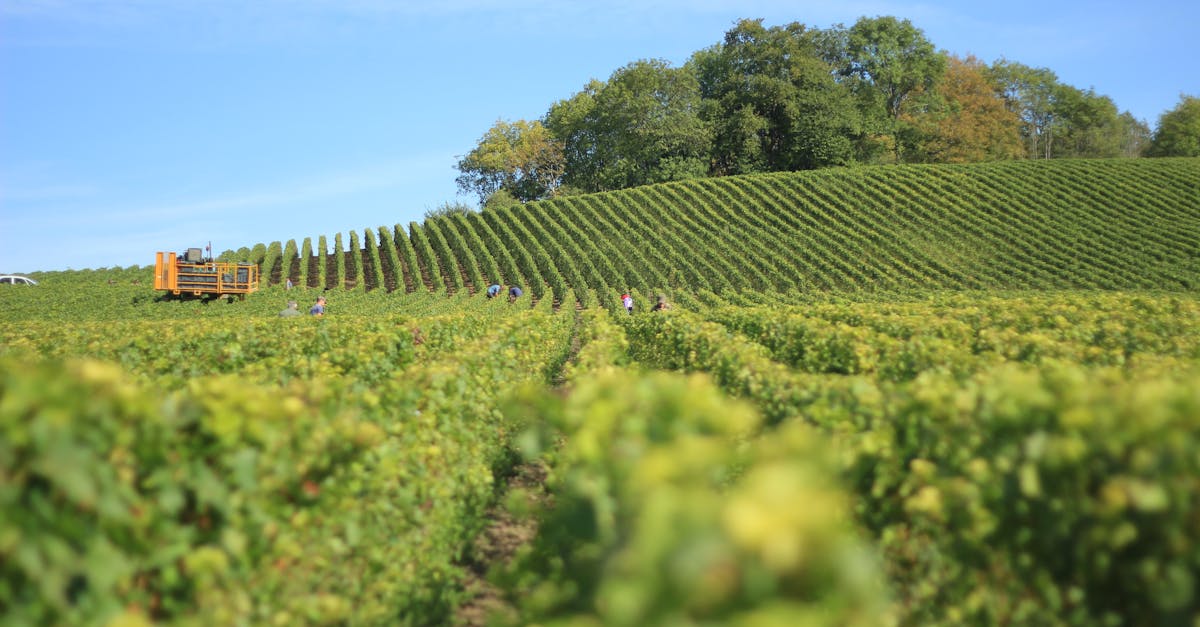
Every year in Burgundy, the grape harvest awakens the terroir with renewed energy. This region, famous for its iconic wines, sees its winegrowers passionately confront the challenges posed by an increasingly unpredictable climate. In 2025, the grape harvest is more than just a simple picking: it’s a veritable ballet, where tradition and innovation intersect to preserve the soul of a prestigious vineyard. Between accelerated grape ripening, adaptation of grape varieties, and ecological commitment, the Burgundy winemaking process this year offers a captivating glimpse of the changes underway. Even if the climate sometimes complicates the harvest, the local winegrowers always pay homage to this exceptional terroir, guided by finely honed expertise.
This season, the Burgundy vineyard is facing transformations that no one can ignore. Global warming is disrupting traditional benchmarks: grapes are ripening earlier, yields are fluctuating, and quality, often unpredictable, requires increased vigilance. But alongside these uncertainties, innovations are slowly creeping in, offering winegrowers new tools to care for and understand their vines. The addition of digital and organic techniques, the diversification of grape varieties, and the use of irrigation tailored to withstand drought are all redrawing the Burgundy wine map.
Discovering how the grape harvest takes place today in Burgundy is like immersing yourself in a world where respect for life and the quest for excellence are one. It’s also an invitation to better understand the economic, human, and environmental challenges of an increasingly scrutinized industry. So, what exactly does this extraordinary harvest look like? Let’s discover together the keys to an ambitious and engaging Burgundian winemaking process.
The grape harvest in Burgundy: respecting a changing terroir
Burgundy, a land of exceptional wines, is much more than just a winegrowing region. It reflects a long history and a mosaic of terroirs, which gives birth to unique wines. In 2025, the grape harvest will embody a central stage where nature, technology, and the transmission of knowledge intertwine. This annual event now takes place under the watchful eye of winegrowers, who must navigate a climate that challenges their usual benchmarks.
Global warming has changed the situation: grapes now ripen earlier, sometimes as early as mid-August, while in other years harvesting takes until September. This early harvest requires constant vigilance. Speed and attention to detail are essential to ensure quality are maintained.
To achieve this, Burgundy winegrowers rely on several key factors:
- 🍇 Daily observation of the grape clusters to detect optimal ripeness.
- ☀️ Local weather and its sudden changes, which can accelerate or slow growth.
- 🌱 The health of the vines, which influences the aromatic quality of the grapes.
- 🧪 Precise oenological analyses, particularly sugar and acidity levels.
As Thiébault Huber, president of the CAVB, reminds us, nearly 2,000 hectares will be left uncultivated this year due to unpredictable weather, proof that nature remains the absolute master of the game.
Thus, the harvest in Burgundy is less a question of timing than an art of balance, a moment when every decision irrevocably impacts the profile of the final wine. Respect for the terroir, of course, remains fundamental, but flexibility is now the keystone.
Burgundy is divided into several major sectors where the harvest takes place based on grape varieties and terrain:
🍷 The Côte de Nuits, known for its exceptional Pinot Noir.
- 🍾 The Côte de Beaune, rich in remarkable Chardonnay and delicate Pinot Noir.
- 🌿 The Mâconnais, with its fruity wines, supple enough to adapt to these new climatic trends.
- 🌳 The Chablis, offering its fresh, mineral grapes for charmingly pure whites.
- Each terroir has its own specific characteristics, its particular “climates,” and its unique definition of quality. The diversity of soils, sun exposure, and local temperatures create a multifaceted palette of flavors. This highlights the richness of Burgundy’s grape varieties. Region 🍇
Main Grape Varieties 🍷 Terroir Features 🌍 Harvest Start (approx.) 📅
| Côte de Nuits | Pinot Noir | Limestone soil, temperate microclimate | Early September |
|---|---|---|---|
| Côte de Beaune | Chardonnay, Pinot Noir | Clay-limestone soil, varied slopes | Late August, early September |
| Mâconnais | Chardonnay | Softer soils, warmer climate | End of August |
| Chablis | Chardonnay | Kimmeridgian soil, notable freshness | Early September |
| This overview shows that each winegrower adapts their harvest to the specific rhythm of their plot. It is therefore impossible to speak of fixed dates, but rather a range to be examined day by day. | To learn more about climate change and its impact on viticulture, please visit this interesting article on | climate change in viticulture | . |
Harvesting techniques and innovations at the heart of the Burgundy harvest
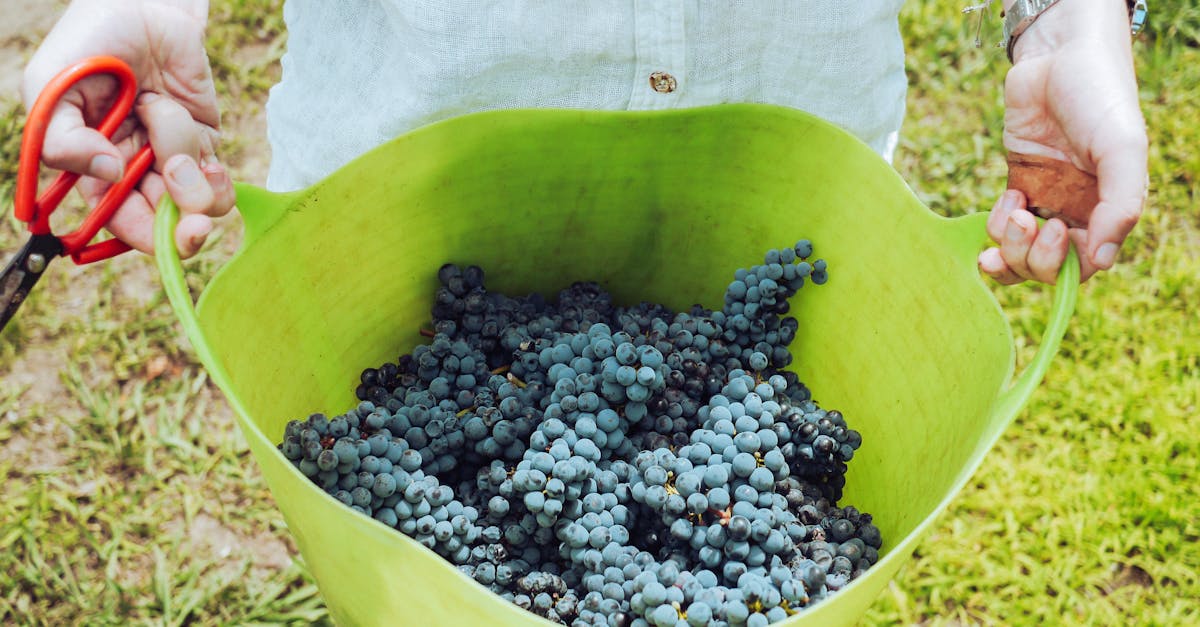
There is no question of improvising during the harvest: in Burgundy, the gesture is precise, the method rigorous. Harvesting remains predominantly manual, in order to carefully target each bunch of grapes, ensuring they are fresh and healthy. This attention helps preserve the distinctive character of the local grape varieties, preventing premature deterioration of the grapes. However, the year 2025 confirms the strong arrival of new developments that effectively support these ancestral practices: 🚜 The use of drones to monitor vines in real time, detect areas of water stress, and anticipate disease.💧 The widespread use of controlled irrigation, essential in the face of repeated drought.
🌱 The adoption of more heat-resistant grape varieties to maintain quality and prevent overripeness.
♻️ The expansion of organic and biodynamic approaches to strengthen soil biodiversity.
For example, the EARL de la Tour, in the Mâconnais region, embodies these innovative practices through targeted interventions and diversification of plantings. This farm also relies on extensive digital monitoring, with ground sensors that continuously track the needs of each vine.
- In addition, Burgundy vines benefit from technical support resulting from cutting-edge research. Specialists like Eric Duchêne of INRA in Colmar encourage winegrowers to integrate these innovations without losing sight of the wine’s deep identity. A true balance must be found.
- Technical ⛏️
- Main Benefit ⭐
- Example of application in Burgundy 🌾
Manual harvest
Preserving grape quality
| Bourgogne Côte de Beaune | Connected drones and sensors | Precise monitoring and resource savings |
|---|---|---|
| Maison Albert Bichot | Controlled irrigation | Reducing water stress |
| EARL de la Tour | Resistant grape varieties | Maintaining typical characteristics despite the heat |
| Ownership Pierre-Olivier Garcia | These innovations are not without sparking some debate. The rational use of synthetic products, for example, is divisive. Here again, the main concern is to ensure quality without compromising the sustainability of the terroir. | For those who want to delve deeper into the topic of winemaking innovations in other terroirs, explore the very informative article on innovations in the Rhône Valley or discover new trends in the Loire Valley. |
| Discover everything about the grape harvest, a crucial moment in viticulture where enthusiasm and expertise meet. Dive into the traditions, techniques, and stages of grape harvesting to produce wines of exceptional quality. | The Stages of the Post-Harvest Winemaking Process in Burgundy | Once the grapes are harvested, the second, equally crucial phase begins: transformation into wine. This rigorous winemaking process includes several key steps that significantly influence the final quality, giving each bottle its own unique story. |
Here are the main stages of the winemaking process in Burgundy:
🟠 Sorting in the Vineyard : each cluster is selected and damaged grapes discarded. 🟠Pressing
🟠
Alcoholic fermentation
: the juice ferments with natural or selected yeasts, transforming the sugar into alcohol.
- 🟠 Malolactic fermentation : it converts malic acid into lactic acid, bringing softness and roundness especially to red wines.
- 🟠 Livestock : the wines rest in oak barrels or stainless steel vats for aromatic and tannic refining.
- 🟠 Bottling : last stage before being put on sale, where the wine reveals all its character.
- This ancestral know-how, mixed with modern techniques, ensures that each vintage fully expresses the potential of its terroir. Emmanuel Giboulot, fervent defender of biodynamics in Burgundy, insists on the importance of gentle and respectful work throughout the process, in order to preserve the purity of the aromas. Step ♻️ Main objective 🎯
- Approximate duration ⏳ Local particularities 🏞️ Sorting grapes
- Optimal harvest quality A few hours Manual selection in Burgundy
Pressing
| Extraction of intact juice | 1 to 2 hours | Often used pneumatic presses | Alcoholic fermentation |
|---|---|---|---|
| Transformation of sugar into alcohol | 1 to 3 weeks | Fermentation in stainless steel or concrete vats | Malolactic fermentation |
| Acidity softening | 2 to 6 weeks | Essential for Burgundy reds | Breeding |
| Aromatic complexification | 6 months to several years | Mainly oak barrels | Bottling |
| Conservation and marketing | A few hours | Compliance with health standards | Passionate about |
| oenology | can deepen their knowledge by focusing on how each parameter affects the taste and harmony of food and wine pairings, an art in its own right. | This link will take you to an exciting overview of the | red grape varieties in Savoie |
| , to compare how different regions exploit their terroir post-harvest. | Economic challenges and perceptions of Burgundy wines in 2025 | While the history of Burgundy is punctuated by its exceptional wines, the harvest also remains a moment when economic balance and bottle value are at stake. 2025 marks a delicate period where climatic hazards directly influence harvested volumes, impacting both prices and market dynamics. | François Labet, Deputy President of the BIVB, highlights a significant drop in volumes due to the vagaries of the weather, forcing producers to revise their objectives: |
📉 Overall decline in harvested quantities, automatically increasing wine prices.💰 Pressure on production costs, particularly due to costly innovative practices. 📊 Anticipated price increases on national and international markets. 🤝 Online sales are booming, with demand for Burgundy’s finest wines exploding.
We’re also seeing a shift in consumer profiles. Angélique de Lencquesaing of iDealwine highlights a growing interest among wine lovers to secure their purchases in the face of a more limited selection, while Andrea Minardi at the Beaune Wine Market notes a new enthusiasm among collectors willing to pay a premium price to get their hands on rare bottles. Key Player 👩💼 Role 💼Main Observation 📝
François Labet
Deputy President, BIVB
Falling Volumes, Rising Prices
- Laurent Delaunay
- President, BIVB
- Rarity and Quality Drive Prices
- Angélique de Lencquesaing
Co-founder, iDealwine
| Growing Demand on Online Platforms | Andrea Minardi | Sales Manager, Wine Market |
|---|---|---|
| Collectors Attracted by Rarity | Romain Iltis, wine expert and director for Lalique, nevertheless tempers this enthusiasm, warning against excessively high prices that could turn off less affluent wine lovers. He poses a key question: how can we continue to keep the Burgundy tradition alive while making these treasures accessible? | To broaden your discussion on wine trends in the South of France, you can explore this link on Languedoc and its developments or this page on the best producer in the Southwest. |
| Discover the magic of the grape harvest, a key moment in the winemaking year when winegrowers gather the fruits of their labor. Immerse yourself in the fascinating world of the grape harvest, combining traditions, techniques, and flavors, and celebrate the passion for wine in the heart of the vineyards. | What food and wine pairings should you favor with the 2025 vintages in Burgundy? | Wine tasting is the phase where the winegrower’s work meets the taste buds of wine lovers. Burgundy’s rich and complex grape varieties call for precise pairings to enhance each sip. |
| Here are some easy-to-remember suggestions for pairing your 2025 Burgundy wines: | 🍽️ | Pinot Noir |
| : Perfect with grilled red meats, game, or mushroom dishes. | 🥂 | Chardonnay |
: Sublime with fish in sauce, roast poultry, and mature cheeses like Comté.
🍷 Aligoté (less common): Ideal for appetizers, seafood, and fresh salads. 🧀Crémant de Bourgogne

These pairings aren’t set in stone, but they will provide a solid foundation for your tastings, especially with vintages influenced by the specific characteristics of these harvests. For inspiration, check out this detailed guide to night harvesting, a practice that alters the sensory experience of wine.
Grape Variety 🍇
Food Pairings 🍴
- Key Characteristics 🍾 Pinot Noir Red meat, game, mushrooms 🍖🍄
- Fine tannins, fruity and earthy aromas Chardonnay Fish in sauce, roasted poultry, cheeses 🍗🧀
- White fruits, mineral notes Aligoté Aperitifs, seafood, fresh salads 🥗🦐
- Lively, fresh, light Crémant Celebrations, light meals, desserts 🎉🍰
Fine bubbles, floral aromas
https://twitter.com/sudouest/status/1838921374020104268 FAQ: Everything you need to know about the Burgundy grape harvest in 2025When do the grape harvests usually begin in Burgundy? The harvest often begins between late August and early September, but this varies depending on the annual weather conditions.
| Why favor manual harvesting in Burgundy? | It allows for rigorous selection of grapes at optimal ripeness, essential for preserving the quality and character of the wines. | What are the main challenges for winegrowers in 2025? |
|---|---|---|
| Global warming, which accelerates grape ripening, water management, and protecting the terroir from natural hazards. | How are innovations helping winegrowers? | Thanks to the use of drones, sensors, and controlled irrigation, winegrowers are optimizing vineyard interventions to maintain quality despite climate stress. |
| Which Burgundy wines are currently the most sought-after? | The grands crus of the Côte de Nuits and Beaune remain highly sought-after, particularly among collectors and investors. | |