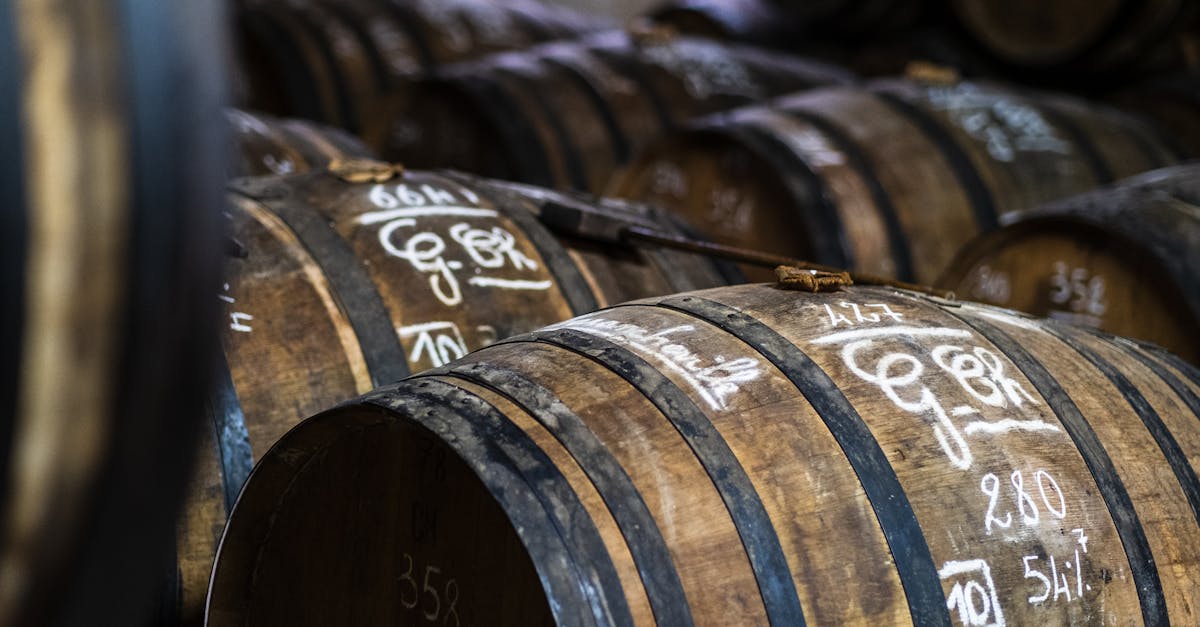
French winegrowers denounce European aid to the South African wine industry: a crisis compounded by injustice
In a context where the French wine industry is struggling to survive in the face of climate change, declining domestic consumption, and global competition, the recent announcement of a European subsidy to support the South African wine industry has sparked a storm of anger. The release of €15 million, enshrined in a 2002 agreement, seems unexpected in this period of deep crisis for iconic wine regions such as Bordeaux, Burgundy, and the Côtes du Rhône.
This financial gesture, intended to promote inclusive growth in South Africa, favors projects led by Black people, women, and young entrepreneurs, notably by providing them with access to infrastructure or land. While the commitment to fairness and inclusion is laudable, the way this aid is being delivered, amidst the deteriorating economic health of European vineyards, is sparking a degree of outrage among winegrowers across the continent.
The complexity of a two-decade-old agreement also raises questions of economic and political justice at the European level. At a time when the French wine industry is facing declining alcohol consumption, strict environmental regulations, and the need to modernize its wineries, it is difficult to understand why support is now going to a South African industry, already weakened by commercial difficulties.

A charged historical and economic context: between long-standing agreements and modern challenges
The decision to release this European aid is not new, but it comes at a time when trade relations between the European Union and South Africa are steadily intensifying. Since the signing of a wine and spirits agreement between the two parties in 2002, the issue of this subsidy has been part of a broader framework linked to geopolitical and economic issues.
More specifically, this €15 million envelope stems from an agreement established in 1999, aimed at facilitating the import of South African wines without customs duties until 2024. In exchange, the EU committed to helping restructure the South African wine sector, which is also struggling with stagnating sales and growing competition, particularly from French and Italian wines. This historical context has shaped a seemingly advantageous trade relationship, but one that, as we approach 2025, raises questions of transparency and priority. At a time when France must support its prestigious estates such as Château Lafite and Domaine de la Romanée-Conti, some are demanding that European aid also be redefined to protect local vineyards, from Bordeaux to Champagne.
Year
| Key Event | Impact on the Sector | 1999 |
|---|---|---|
| Signing of the EU-South Africa Agreement | Trade Facilitation, but Growing Tensions | 2002 |
| Entry into Force of the Agreement | Import Quota, Restructuring Aid | 2024 |
| End of the Duty-Free Period | Increased Sales, Increased Competition | 2025 |
| Release of the European Subsidy | Anger of European Winegrowers | This table shows the evolution of a regulatory framework that, today, is perceived as unbalanced by the majority of stakeholders in the European wine sector. |
Discover the fascinating world of French winemakers, passionate artisans who preserve ancestral traditions while innovating. Explore their grape varieties, their techniques, and their love of the terroir through France’s most beautiful wine regions.
French winemakers, particularly those affiliated with prestigious estates such as Château Margaux and Château Lafite, have made their voices heard. Their astonishment quickly turns to anger at what they consider a blatant injustice.
In all wine-producing regions such as Bordeaux, Burgundy, and the south, the reaction is unanimous: this subsidy is a provocation in the midst of a crisis, when resources are lacking to support the modernization or marketing of French wines. This anger has also translated into several demonstrations and public statements, particularly on social media. 🔴
The feeling of inequity
- : Why support a struggling industry elsewhere when our own needs to restructure? 🛑 The lack of transparency
- : The 2002 agreement now seems outdated and unfair. 🔥 The danger to employment
- : Many local stakeholders fear destabilization of the French sector in the face of competition artificially fueled by external aid. 🌱 Environmental issues
- : In a context where viticulture must reduce its carbon footprint, it seems inconsistent to give such priority to a struggling foreign industry. ✨ The call for European solidarity
- : Finally, winegrowers are demanding that the Commission take into account the deep crisis in the European wine sector and review its priorities. To learn more, watch this video summarizing the situation of French winegrowers in the face of this subsidy: French winegrowers are expressing their anger.
https://www.youtube.com/watch?v=ioxX-zpONQkTowards a major crisis: the economic and social challenges facing European viticulture
The figures speak for themselves: Burgundy and Champagne wine production is stable, but domestic demand is inexorably declining, forcing a rethink of the entire marketing and development strategy. Foreign competition, starting with Alsace and Savoie wines, is taking advantage of this to expand their market share, often with the support of EU policies that do not always seem fair. This difficult context has resulted in increased unemployment in some vineyards: family farms are closing, talented young people are seeking opportunities abroad, and French exports are struggling to keep up. The health crisis, climate change, and the global economic crisis are casting an increasingly heavy shadow over this industry, which embodies a part of French identity.
Stakeholder
Problem encountered
Proposed action
| Bordeaux vineyards | Decline in local consumption | Strengthening exports |
|---|---|---|
| Château Margaux | High costs | Innovation and footprint reduction |
| Burgundy wines | Loss of market share | Targeted marketing |
| Alsace wines | Competitive pressure | Support for diversification |
| Champagnes | Reputation crisis | Communication and promotion |
| In this regard, the support measures proposed by the European Commission, while intangible to some, are deemed insufficient by the majority of local stakeholders. The industry demands a coherent policy, where each vineyard, from Domaine Ott to Vignobles de Loire, can benefit from genuine support, without favoritism or mismatching of interests. | Discover the fascinating world of French winegrowers, where tradition and innovation come together to create exceptional wines. Explore the rich terroirs, artisanal techniques, and love of wine that have made French winegrowers renowned. | Calls for reform and political demands for wine justice |
French winegrowers, supported by several political actors, have begun to make their voices heard in a debate that now extends beyond the sector. Anger is rising within the ranks of the FNSEA (National Federation of Wine Producers), but also among other elected officials committed to defending French wine heritage such as Bordeaux and Provençal. The questions raised by this European aid are raising a collective awareness: should we continue to subsidize foreign industries while the national sector is facing a reduction in public aid? The answer seems clear to some: there is an urgent need to review the European Commission’s policy in favor of balanced and equitable support.
Political demands
: make all aid conditional on the protection of European vineyards
📢
- Mobilizations : demonstrations and petitions for a fairer redistribution of funds 💼
- Economic implications : protect local jobs against unfair competition 🌍
- Ecological dimension : support sustainable agricultural practices in France and Europe To better understand this issue, consult this analysis published by Le Figaro, which details the current issues and tensions.
- Future challenges: protecting the rich heritage and culture of French vineyards In this economic and political battle, the protection of iconic vineyards such as Château Lafite, Domaine de la Romanée-Conti, and Savoie wines is becoming more of a priority than ever. The popularity of wine, whether Alsace Rieslings or Loire Valley wines, remains a source of pride and identity for an entire nation. Winegrowers are calling for stronger national and European measures to ensure that viticulture remains a sector of excellence recognized worldwide. The issues of competitiveness, ecological sustainability, and economic justice are more pressing than ever.
We must also consider intergenerational transmission, the promotion of old grape varieties such as Pinot Noir and Syrah, and market diversification. The trend toward lower-cost wines, such as rosés from the Rhône Valley, must be accompanied by increased support for traditional winegrowers, who are often threatened by globalization and the aggressive marketing strategies of other regions or countries. Vineyard Risks
Solutions
Château Lafite
Decline of the high-end market
Promotion of heritage and expertise
Domaine de la Romanée-Conti
Strong international competition
Protection of rare appellations
What are winegrowers demanding to resolve this crisis? Targeted aid, a review of European policies, and a priority given to safeguarding national vineyards, such as those of Bordeaux, Sancerre, or the Rhône Valley.
Is European support for South African viticulture justified?
- Some see it as a means of inclusion and economic development for a struggling region, but many consider it incompatible with the reality of the crisis facing the European wine industry.
- How can we support the French wine industry in the future?
- Through local investment, aid adapted to economic realities, the promotion of iconic wines, and a fairer and more balanced European policy.
- Source:
- www.lefigaro.fr