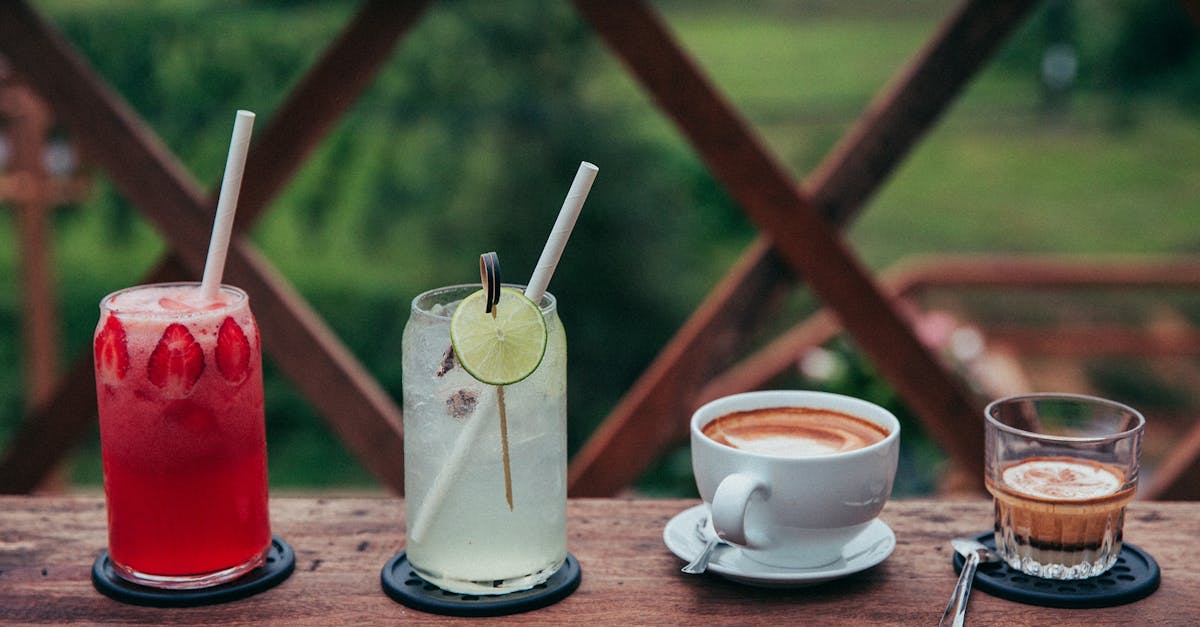
You’ve probably noticed that “No Low” drinks are gradually invading our tables and counters. Gone is the monopoly on traditional alcohol, making way for wines, beers, and other low- or no-alcohol alternatives. This booming trend is part of a healthier approach, while offering a varied taste experience. “No Low”—a contraction of No Alcohol and Low Alcohol—is the perfect solution for those who want to indulge without feeling guilty. Whether it’s for a drink with friends, a festive evening, or simply to moderate their consumption, these drinks are suitable for all occasions.
The trend is far from trivial. With Dry January, which has become an annual event for many, 2024 confirms the explosion of alcohol-free alternatives with creations that rival each other in flavor. Prestigious houses like Château de Pizay and big names like Pierre Gimonnet & Fils are also getting involved, proving that the sector has nothing to envy from classic vintages. Not to mention iconic beer brands like Heineken 0.0 and Brasserie de la Senne, which are multiplying their offerings to ensure every palate finds something to their liking. But what’s really behind these drinks? Are they truly alcohol-free? How are they made, and how do you choose among all these options? Here’s a comprehensive overview, from sparkling wine to alcohol-free cider, including dealcoholized spirits. We’ve put together this guide to help you understand, taste, and appreciate these drinks that continue to be talked about. The Basics of No Low: What is it exactly? The term “No Low” refers to a hybrid category that includes both non-alcoholic and low-alcohol beverages. It’s a bit like a bridge between tradition and modernity. To understand this, let’s focus on the regulatory definitions, especially since they sometimes differ depending on whether you’re a wine, beer, or spirits drinker. In France, a drink is considered alcohol-free if it contains less than 0.5% alcohol for wine, or 1.2% for beer. A “de-alcoholized” label is possible if the product contains less alcohol, but generally with a small trace of residual alcohol—often between 0.05% and 0.5%. In Belgium, for example, the threshold is even stricter at 0.5% for any non-alcoholic beverage, demonstrating that the rules are adapting to the markets. To make the right purchase, you need to read labels carefully, especially to distinguish between wines and beers that truly display 0.0% alcohol. This guarantees a completely sober experience, ideal for those who must avoid alcohol for medical reasons, pregnant women, or simply those who want a break. No Low offers: 100% alcohol-free drinks (0.0%) Low-alcohol drinks (between 0.1% and 1.2%) A wide range: wines, beers, spirits, and other alternatives This versatility expands the possibilities for more moderate consumption, while maintaining the element of pleasure. The “No Low” concept adapts to avoid frustrating lovers of complex flavors, without sacrificing the quest for sobriety.Discover our selection of delicious and refreshing non-alcoholic drinks. Perfect for any occasion, these tasty alternatives will keep you hydrated while enjoying unique flavors. Ideal for parties, meals, or simply relaxing, explore our range of non-alcoholic drinks and get creative with your refreshment choices! Type of drink 🍷
Legal alcohol-free limit (%) 🚫
Example of a famous brand 🌟
Main characteristic
Wine 0.5% Château de Pizay, Pierre Gimonnet & Fils
De-alcoholized or low-alcohol drinks, natural flavors to compensate
Beer
- 1.2%Heineken 0.0, Brasserie de la Senne, La ChouffeEasy dealcoholization techniques or gentle steaming to preserve flavors
- Spirits0.5%Alcohol-free alternatives (gin, rum, amaretto)
- Ethanol extraction and infusions to preserve flavor
Cider
| Cidrerie Kerisac, Cidre Kermerrien | De-alcoholized product or made without alcoholic fermentation | How are No Low drinks made? The Processes That Make the Difference | Wondering how we manage to extract alcohol or create a drink without this molecule that changes everything? Science and technology come to the rescue, and depending on the family, the methods vary. Here’s a quick rundown, so you know what you’re getting in your glass. |
|---|---|---|---|
| De-Alcoholized Wine: The Magic of Gentle Distillation | In the case of wine, producers start with a traditional wine and then dealcoholize it, that is, they remove the alcohol. The main process is vacuum distillation. This technique separates the ethanol from the rest by heating the wine to a low temperature under vacuum, often around 30 to 35°C. Why vacuum distillation? Because it protects the delicate aromas that make up the wine. | Once the alcohol has evaporated, the wine seems a little “empty” in terms of taste. To compensate for this, manufacturers rely on natural additions. What’s missing is replaced with: | Plant or flower infusions |
| Natural flavors extracted from grapes or other fruits | Grape must for extra sweetness | Bubbles to recreate a non-alcoholic sparkling wine | It’s like a magic formula to recapture all the sensory richness while maintaining restraint. Labels like Vin & Co have understood this challenge and offer alternatives that are as close as possible to classic wine. |
| Alcohol-free beer, between tradition and innovation | For no-low beers, two main methods exist: | Thermal dealcoholization: | The beer is heated to a high temperature (around 80°C) for 30 minutes. This treatment evaporates the alcohol, but can sometimes alter the aromas slightly. This technique is found in brands like Heineken 0.0. |
| Vacuum dealcoholization: | Cooking at low temperature (35°C) under vacuum to preserve the finesse of the flavor. The Brasserie de la Senne heavily relies on this method for its alcohol-free beers. | The choice of beer style is entirely up to you: IPA, blonde, brown, there’s something for everyone. You can enjoy yourself without any hassle! | Alcohol-free spirits: the art of extraction and infusion |
When it comes to alcohol-free spirits, everything starts with a classic drink: gin, rum, amaretto. Then comes the time to remove the alcohol without spoiling the experience.
The most common method is ethanol extraction. Then, infusions and macerations are added to enhance the aromas. Result: a balanced product capable of replacing its alcoholic big brothers in a cocktail.
Want to turn heads at an aperitif? Alcohol-free gin or alcohol-free rum are your best allies. To learn more, discover a fascinating article about rums and their alternatives here.
Original alcohol-free drinks, a seductive trend
There’s also a special category: drinks created from the ground up to be naturally alcohol-free. No dealcoholization, therefore, but a composition designed to offer a tasty and festive drink.
- Muscat, for example, can be presented in the form of:
- a grape infusion
- a sparkling grape juice, like certain products from
- Vin & Co
This is the ultimate soft alternative, all the rage among lovers of fruity and sweet aromas, without the effects of alcohol. Discover our selection of tasty and refreshing non-alcoholic drinks. Whether you’re looking for healthy alternatives or simply want to enjoy unique flavors, our diverse range offers options for every taste and occasion. Process 🍇
Key Principle 🔑
Main Advantage 👍
- Known Example 🌍 Vacuum Dealcoholization Low-temperature heating under vacuum to separate ethanolOptimal preservation of aromas
- Vin & Co Wine Thermal Dealcoholization High-temperature alcohol evaporation Fast, more economical process
Heineken 0.0
Extraction & Infusion
Alcohol removal followed by aromatic additions
Spiritual beverages without compromising on taste
Alcohol-free Gin Original productionCreation without alcoholic fermentation
Natural taste from the outset
Alcohol-free Wine Vin & Co
How to choose your No Low drink? A guide to finding the perfect drink
- With an ever-expanding selection, choosing the right no-low-alcohol drink can quickly become a headache. Don’t panic, we’ll make it easier by giving you some pointers to find what you’re looking for, whether it’s for a drink with friends, a dinner party, or just a relaxing moment.
- To choose wisely, consider: Your taste preferences: do you prefer the fruitiness of a non-alcoholic Muscat or the freshness of a dealcoholized beer? 🍓🍺
The occasion: aperitif, meal, or evening out? Some drinks are better suited to specific occasions. 🍽️🥂
| As for the brand and the guarantee of quality: relying on recognized producers like | Château de Pizay | or | Cidrerie Kerisac |
|---|---|---|---|
| can also be reassuring. 🏅 | A quick table to help you visualize: | Time of consumption ⌚ | Recommended drink 🍷 |
| Why? 🤔 | Brand Example | Aperitif with friends | Alcohol-free sparkling wine or de-alcoholized beer |
| To get everyone on the same page and start the evening without any hassle | Vin & Co, Heineken 0.0 | Traditional meal | Light wine or alcohol-free sweet cider |
| To accompany without weighing down the palate | Château de Pizay, Kermerrien cider | A moment of relaxation | Alcohol-free spirits or sparkling grape juice |
To enjoy a truly enjoyable alcohol-free moment
Alcohol-free gin, Vin & Co muscat
To learn more about the 2024 alcohol-free trends, we invite you to read a comprehensive article on
- Vin et Chocolat
- .
- No Low Wines: What will this alternative evolve in 2024 and beyond?
- Alcohol-free wine is both intriguing and seductive. You might think that stripping a wine of its alcohol would make it bland, but that’s not entirely true. Techniques are evolving, as are consumer perceptions. More and more prestigious estates, such as Château de Pizay or Pierre Gimonnet & Fils
are investing in this category. They see it as a tremendous opportunity to reach a clientele concerned about their well-being without sacrificing the pleasure of wine.
| The success of alcohol-free sparkling wines, in particular, reflects this trend. The bubbles bring freshness and lightness to these beverages, allowing everyone to toast without feeling self-conscious. | The reasons for this success? | Growing awareness of the health impacts of alcohol 🌿 | Diversifying consumers, attracted by taste and novelty 🆕 |
|---|---|---|---|
| The rise of “flexitarian” or moderate-alcohol diets 🍽️ | The promotion of responsible alternatives at festive events 🎉 | A look at the figures shows a steady increase in sales of alcohol-free wines in recent years, reflecting a change in consumption habits. To delve deeper into the world of these alternatives, we recommend this detailed article on | Vin et Chocolat |
| . https://www.youtube.com/watch?v=2YvY1nf6UJQ | No Low Beers: A Growing Place in Our Drinks | It’s impossible to talk about no low-calorie drinks without mentioning beer. It has largely paved the way for these alternatives, with a thriving market in 2025. From classics like Heineken 0.0 to the more artisanal products from Brasserie de la Senne, diversity is evident. | Fans can choose between different variations: |
| Light and sparkling lager 🍺 | Warmer brown beer | Alcohol-free IPA for lovers of pronounced hops 🌿 | These beers retain a pleasant bitterness, often accompanied by a gentle aromatic bouquet. This works well to satisfy all desires, without any complexes. |
Events are no longer hesitant to offer a selection of alcohol-free beers, allowing everyone to fully enjoy the moment without compromising on taste or conviviality. Why choose non-alcoholic beer? Beyond moderation, choosing an alcohol-free beer can also be an ecological stance. These beers often require fewer energy resources in their final production. A significant advantage in an era where every gesture counts.A comparative table of the main non-alcoholic beers popular in 2025:
Brand 🍻
Kind
Alcohol (%) Special feature Heineken 0.0 Blonde0.0%
International availability, balanced taste
Brasserie de la Senne
- IPA
- <0.5%
- Powerful hop aromas, vacuum method
- La Chouffe without alcohol
Blonde 0.0%Sweet malty taste, fruity notes
No Low spirits, the new aperitif revolution
The category of non-alcoholic spirits is a novelty that is shaking up certain habits. It allows you to rediscover the aromatic complexity of a cocktail, without the intoxicating effect of alcohol. Specialized brands now offer gins, rums, amaretto and other non-alcoholic spirits which serve as the basis for mixtures just as tasty as the originals. These alternatives appeal to both bartenders and consumers who want to keep their hands light. Infusions of bark, spices and aromatic plants are used to their heart’s content to enrich the aromatic profile. A real breath of fresh air in this changing world. Alcohol-free gin for an invigorating aperitifAlcohol-free flavored rum for a revisited mojito
Alcohol-free Amaretto for a sweet touch in the evening
- Want to discover in more detail the richness of these spirits, and their differences with the alcoholic versions? Our recommendation is to take a look at this dedicated article
- here
- .
Ciders and other regional alcohol-free alternatives
In addition to wines and beers, ciders also benefit from their own “no low” range. There
Kerisac Cider House
and the
Kermerrien cider
| are among the producers offering dealcoholized or naturally low-alcohol versions. | The process for these ciders relies either on dealcoholization or the collection of unfermented must, resulting in a smooth and light drink. Perfect for those dreaming of a fruity and slightly sparkling alternative. | Consuming non-alcoholic cider is gaining ground with meals and social gatherings. It’s a choice characterized by: | A fruity and accessible taste 🍏 |
|---|---|---|---|
| A sparkling sensation reminiscent of freshness | A low calorie intake, suitable for diets | Producer 🍏 | Product |
| Alcohol content | Taste characteristics | Cidrerie Kerisac | Alcohol-Free Cider |
| 0.0% | Fresh fruity taste, without bitterness | Cider Kermerrien | De-Alcoholized Cider |
Sweet, with notes of green apple
Original non-alcoholic drinks and soft drinks to vary the pleasures
For those who prefer completely alcohol-free drinks, there is a whole range of naturally infused soft drinks. These drinks, with ingredients such as:
Ginger
- Elderflower
- Bergamot
- Bitter Orange
Rosemary provide a real boost and natural freshness. They pair perfectly with sparkling water for a light and tasty cocktail, ideal for your summer aperitifs or relaxing breaks.We invite you to discover some “no low” gems in their soft version by following this link:
Wine and Chocolate – Alcohol-Free Alternatives
. Discover our diverse range of non-alcoholic drinks, perfect for any occasion. Whether for an aperitif, a party, or simply to quench your thirst, find refreshing and delicious non-alcoholic options. Enjoy a delicious and friendly experience! Natural Ingredients 🍃 Taste Effect 🌸 Ideal Moment ⏳
Ginger
Spicy and tangy flavor
- Aperitifs, energizing breaks
- Elderflower
- Sweet and floral taste
| Relaxing moments, desserts | Bergamot | Fresh and tangy flavor | Alcohol-free aperitifs and cocktails |
|---|---|---|---|
| Bitter orange | Bitter and fruity note | Light digestif | Rosemary |
| Woody and aromatic flavor | Accompaniment to savory dishes | FAQ: Everything you need to know about No Low drinks | Is No Low really alcohol-free? |
Not always. Drinks labeled No Low can contain a very low alcohol content (up to 1.2%). For 100% alcohol-free drinks, choose the 0.0% indicated on the label.
Is it difficult to find No Low drinks in supermarkets?
- Distribution has greatly improved. Brands like Heineken 0.0 or dealcoholized wines are now widely available in several stores.
- Do No Low drinks taste the same as their alcoholic versions?
- Technical advances have made it possible to closely approximate the original taste, especially for wines and beers. Spirits still require some innovation but promise wonderful experiences.
- Is No Low suitable for pregnant women?
- Yes, 0.0% alcohol drinks are recommended to avoid any alcohol consumption during pregnancy.
Where can I find reliable information on No Low?
Specialized sites like Vin et Chocolatregularly publish up-to-date articles on trends and new products.