
In the heart of the Toulouse metropolitan area, an exceptional vineyard reflects a conscious and committed approach: the Domaine de Candie, municipal property since 1975, stands out today as a model of responsible viticulture. With its 12 hectares dedicated to the cultivation of organic grape varieties, this estate incorporates its practices into a sustainable development approach, combining tradition and innovation. Artisanal production favors natural, biodynamic, and biodiverse wine, demonstrating a constant quest for authenticity. In recent years, this historic site, including a 12th-century castle, has become an essential local reference for lovers of organic wines in Toulouse, blending heritage and modernity. The bottling of the remarkable “Tolosa” red wine is a concrete illustration of this, an event awaited each year by enthusiasts and citizens committed to more ethical consumption. The uniqueness of this project also lies in the desire to inspire a collective dynamic, centered around 100% local production, reflecting a civic, ecological, and economic commitment aimed at promoting the Toulouse terroir. The sector is supported by responsible viticulture practices, promoting biodiversity and limiting the use of chemicals, while celebrating the richness of indigenous grape varieties such as Marselan, the estate’s emblematic grape. With this initiative, Toulouse is committed to sustainable production, which values quality, proximity, and respect for nature.
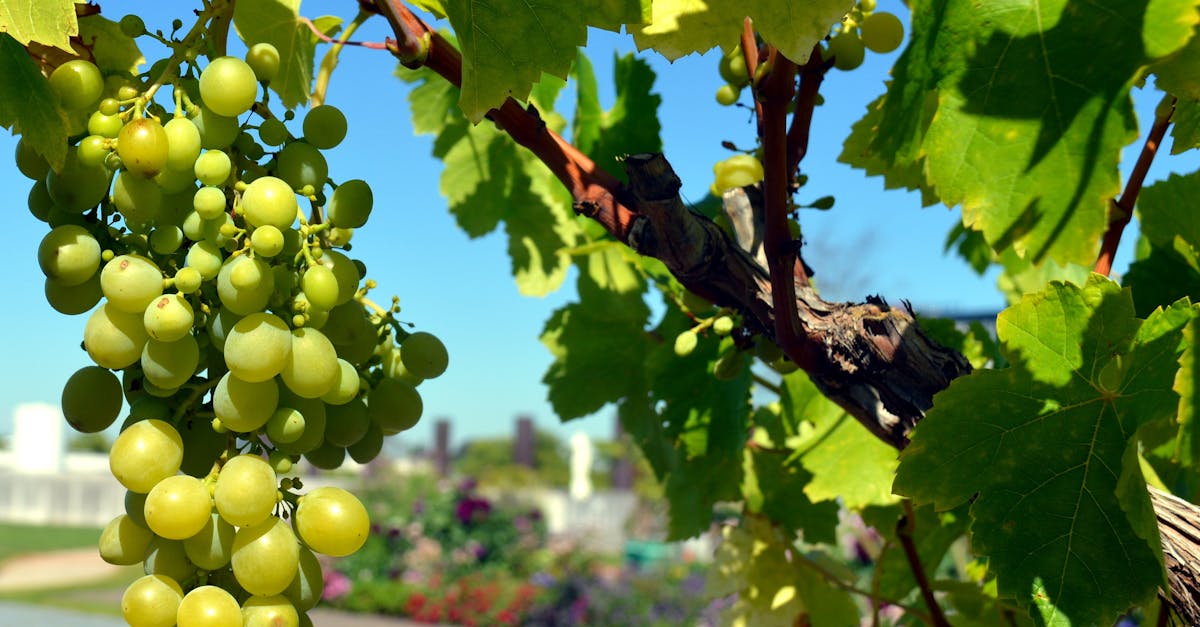
Toulouse organic wines: a local commitment and artisanal winemaking
Domaine de Candie’s approach goes beyond simple wine production. It embodies a true philosophy of life, reflected in responsible viticulture and artisanal production, respectful of the environment and consumer health. Producing organic wines in an urban setting on the outskirts of Toulouse is no small feat. The vineyard, overseen by a team of passionate winegrowers, follows a sustainable viticulture approach, promoting biodiversity and integrated resource management. Vinification, carried out in modern stainless steel cellars, demonstrates meticulous attention to preserving the finesse and purity of the aromas. The estate has chosen to favor ancestral or uncommon grape varieties, such as Marselan, a cross between Cabernet Sauvignon and Grenache Noir, offering a unique, fruity, and accessible aromatic profile. Local production allows us to offer consumers a wine that is more carbon-efficient, while remaining synonymous with authentic taste and artisanal production. This approach is part of a short supply chain approach, strengthening the local economy and ensuring traceability, which is essential to reassure customers who are mindful of their food choices. The quality of each bottle is the result of traditional expertise combined with modern winemaking methods, reflecting the estate’s commitment to organic and sustainable wines. To learn more about this local adventure, visit their official website: Domaine de Candie. Discover our selection of organic wines, made with grapes grown without pesticides or chemicals. Savor authentic and environmentally friendly flavors with our sustainably sourced wines. The production process and bottling of organic wine at Domaine de CandieEach step in the production of organic wine at Domaine de Candie reflects a strong commitment to responsible viticulture, inseparable from the sustainable development philosophy that drives Toulouse. The bottling of the famous “Tolosa” red wine marks a key moment of the season, symbolizing the culmination of a year of meticulous work. During this operation, an automated machine pours, corks, capsules, and labels nearly 10,600 bottles, at a rate of 2,500 bottles per hour. The production line employs around ten people, including employees, interns, and administrative staff. This organization ensures precise control of each step, guaranteeing the quality and authenticity of the final product. The choice of the Marselan grape variety results in a deliciously fruity wine, ideal for everyday consumption, accessible to all, as evidenced by the moderate price of 7 euros per bottle. The approach is part of a local business strategy, with direct sales at the estate, but also at the Domaine’s open-air café, during official receptions, or in packages intended for Toulouse’s senior citizens. The bottling machine, illustrated by an iconic photo of the process, highlights the combination of technological progress and traditional know-how. To follow this operation in pictures, watch their video report on France Bleu.

Discover the fascinating world of organic wines, made from grapes grown without pesticides or chemicals. Enjoy authentic and environmentally friendly flavors while supporting sustainable agriculture.
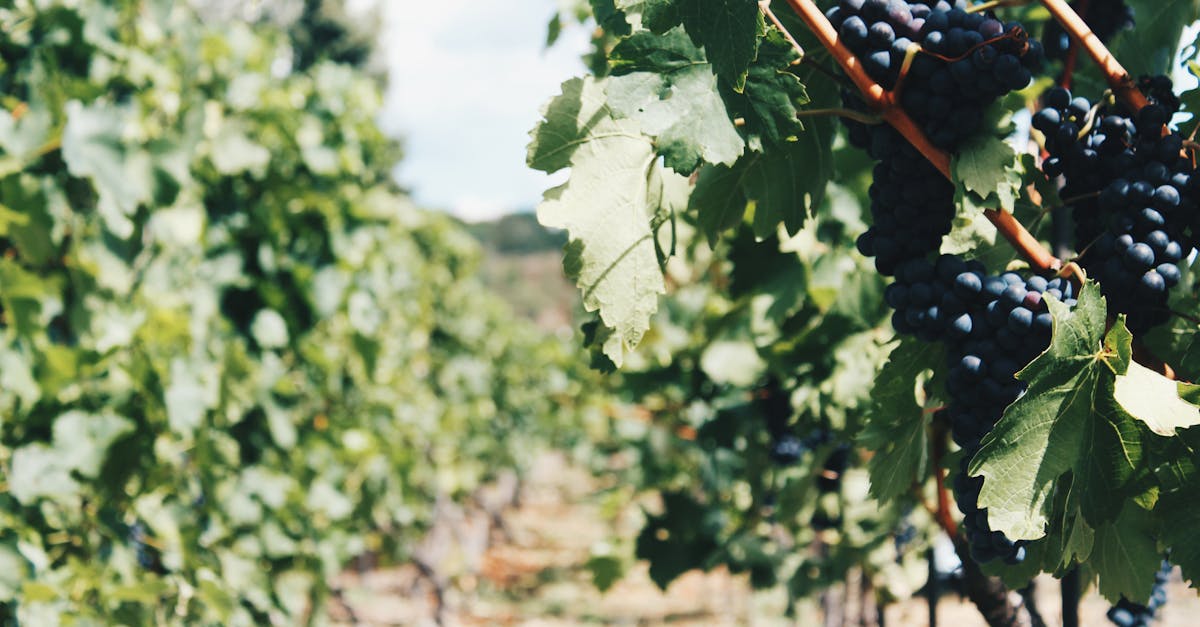
Haut-Garonne Tourisme
. The future promises a synergy between tradition and innovation, with the aim of creating an even richer Toulouse vineyard, consistent with its sustainable development values. Frequently Asked Questions (FAQ) Is the organic wine from Domaine de Candie really 100% natural?
Yes, all the wines produced at this vineyard adhere to strict organic viticulture practices, without the use of chemical pesticides or additives, thus promoting a natural wine with authentic aromas.
What are the emblematic grape varieties grown in Toulouse at the estate? The flagship grape variety remains Marselan, a cross between Cabernet Sauvignon and Grenache Noir, suitable for both organic and biodynamic winemaking, revealing a fruity and supple profile.Where can you buy these organic wines in Toulouse?
In addition to direct sales at the estate, Tolosa wine is available at various events, in the estate’s wine cellar, and at select partner retail outlets, with online availability for some short supply chains. Visit their official website for more information
- Domaine de Candie .
- Does biodynamic wine present any notable differences from traditional organic wine? Absolutely. Biodynamic viticulture is based on stricter specifications, incorporating zodiacal influences and a lunar calendar that transcend the organic aspect to promote overall terroir harmony.
- What are the future challenges for the Toulouse vineyards in 2025? The region is seeking to strengthen its sustainable sector, notably by developing wine tourism, the heritage renovation of the Château de Candie, and the promotion of its native grape varieties through an approach of ecological and responsible production. Source: www.francebleu.fr
