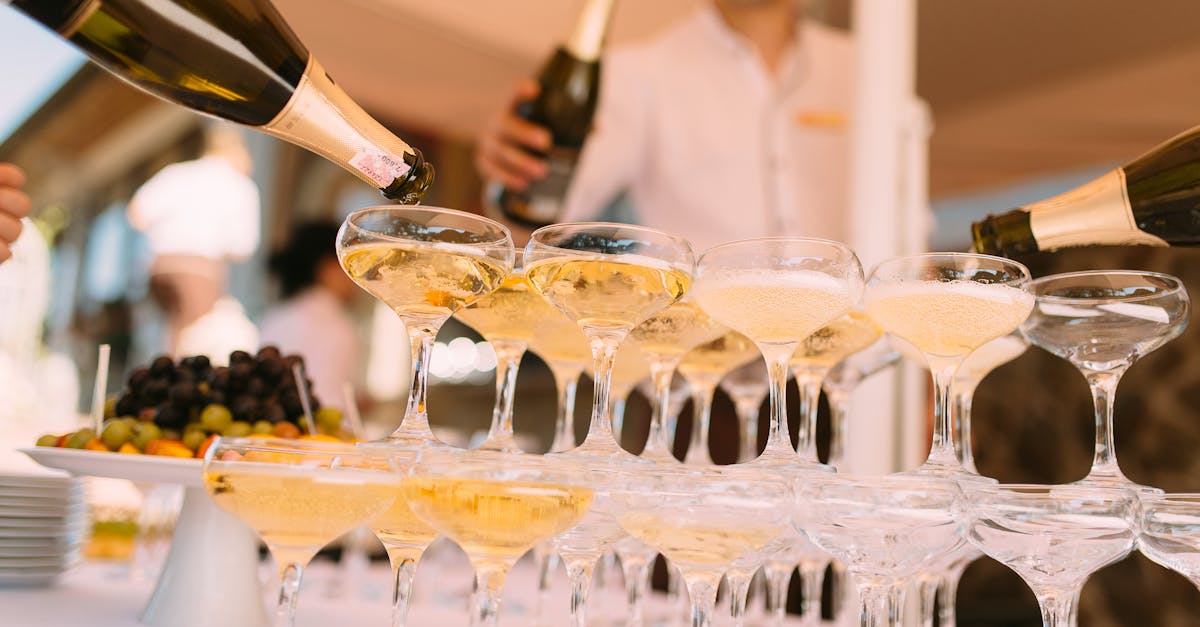
Champagne, that iconic drink that floats in the collective mind as the very symbol of celebration, hides much more than its dazzling bubbles. More than just a sparkling wine, it is often perceived as an elixir capable of instilling instant joy, adding sparkle to convivial moments, and perhaps even offering some unsuspected health benefits. Yet, behind the dazzling charm of flutes filled with golden bubbles, a very legitimate question arises: is champagne truly this miraculous elixir, or is it merely a superficial effect, a fleeting pleasure with a sparkling taste, without lasting benefits for our body and mind?
Let’s explore together the many facets of this prestigious wine from the Champagne terroirs, between historical legends, unique flavors, potential health benefits, and its impact on our well-being. A hassle-free dive into the sparkling world of Moët & Chandon, Veuve Clicquot, Dom Pérignon, and other great houses that craft this liquid miracle.
We’ll also guide you through how to enjoy this nectar at the perfect temperature, which glasses to choose, and even how to pair champagne with food for a complete sensory experience. Whether you’re a committed connoisseur or simply curious, this article invites you to raise a glass to knowledge as much as to pleasure. Let’s unravel the truth about champagne, this famous wine that makes our happiness bubble.
Champagne and its little-known health benefits: myth or reality?
While champagne is often associated with celebrations, luxury, and chic gatherings, behind its bubbles, it hides an intriguing composition that may well surprise. Yes, it’s not just a euphoric liquid, but also a product that contains compounds that are beneficial for our bodies. Among the little-known protagonists are polyphenols. occupy a prominent place. These natural antioxidants, carried by the grapes grown in the Champagne region, act as shields against invisible attackers called free radicals. These are responsible for cell aging, oxidative stress, and, by extension, certain memory and skin disorders. By consuming champagne in moderation, we slip a dose of hope between its bubbles to slow down these harmful mechanisms.
But champagne has even more tricks up its sleeve. Recent studies highlight its positive effects on memory, suggesting a protective role for the brain. Imagine if your sparkling evenings could also boost your mental alertness! Champagne is no exception when it comes to morale. Its fizz stimulates natural euphoria, offering a little boost after a difficult day without the heavy calories of other alcohols. ✨Polyphenols:
Antioxidants that slow aging
🧠
- Effects on memory: Some studies suggest cognitive protection 💃
- Euphoric effect: Natural morale boost and conviviality ⚖️
- Controlled calories: Fewer than many other alcohols Of course, these benefits are valid provided you practice
- moderation. Alcohol abuse remains a serious danger to the liver, heart, and brain, and erases all the benefits. Appearance 🍾 Health Benefits 🌿 Important Notes ⚠️
Polyphenols Fights cellular aging, protects the skinPresent in varying amounts depending on the champagne
| Effect on memory | Possible cognitive protection, improved short-term memory | Results to be confirmed, moderate consumption required |
|---|---|---|
| Calories | Lower in calories than most alcoholic beverages | Does not exempt you from maintaining a balanced diet |
| Euphoric effect | Improves mood, reduces stress | Not a substitute for medical care, consume with caution. |
| Discover the sparkling world of champagne: from refined bubbles to major brands, delve into the art of winemaking and the perfect pairings for your celebrations. Awaken your senses and savor the elegance of this iconic sparkling wine. | To delve deeper into the art of tasting and discover how to enhance this precious wine, you can consult specialized guides on | savoring champagne |
| or even mastering the | ideal temperature for serving champagne. The Great Champagne Houses and Their Role in Popularizing its Health Benefits | It’s impossible to talk about champagne without mentioning these illustrious residents of Champagne cellars, true guarantors of the beverage’s prestige and quality: Moët & Chandon, Veuve Clicquot, Dom Pérignon, Krug, Laurent-Perrier, Taittinger, Bollinger, Piper-Heidsieck, Ruinart, and Louis Roederer. These names resonate as the major figures who, far beyond creating an excellent product, contribute to the international reputation of champagne and its little-known virtues. They are constantly striving to enhance not only the taste but also the composition of their cuvées. Some vintage cuvées from renowned houses are carefully crafted to maximize the presence of polyphenols, or even to create gastronomic pairings that accentuate the health benefits. These houses combine ancestral know-how with modern innovations to ensure that every sip is a unique and potentially beneficial experience. Moët & Chandon, for example, with its flagship cuvée, Dom Pérignon, symbolizes the French art of living while highlighting the health potential hidden in its effervescence. |
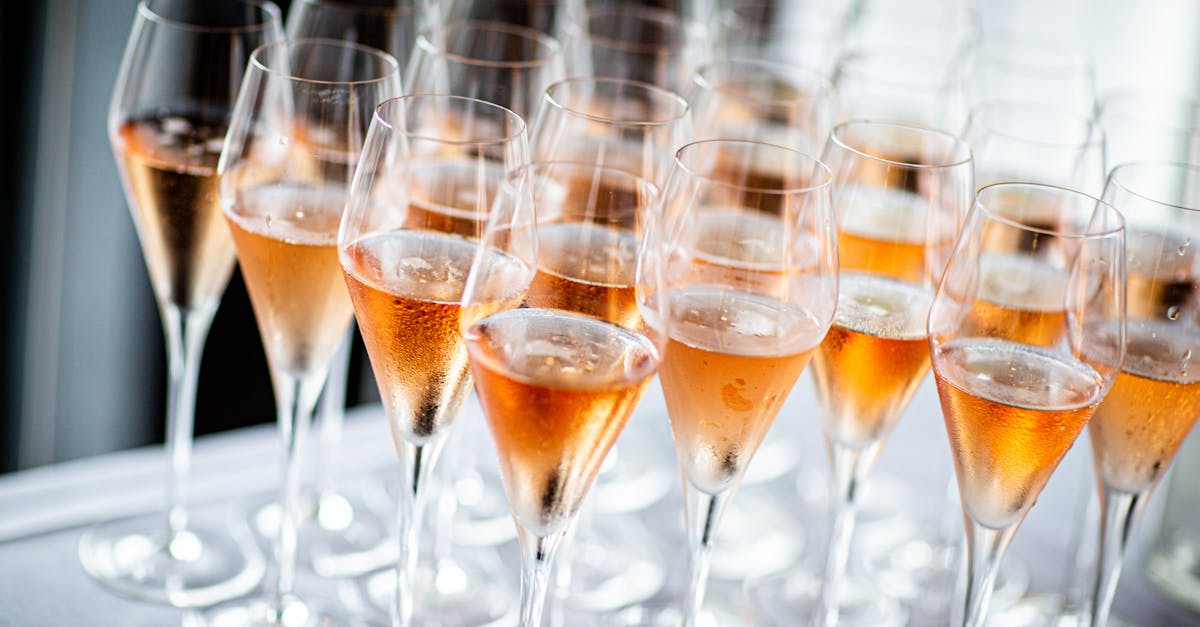
Vintage Selection: Prestigious Champagne terroirs reinforcing quality and composition 🏺 Precise Blends:A blend of grape varieties for a balanced taste and benefits
🔬
Innovative research: In-house studies on bioactive benefits🍽️ Champagne and food pairing tips:For an optimal tasting experience, see hereMaison Champenoise 🏰 Specialties 🌟Health Focus 💡 Moët & ChandonDom Pérignon, prestige cuvées Polyphenol optimization, well-being imageVeuve Clicquot Yellow Label CuveéBalanced blend for flavor and effect KrugGrande Cuvée Bubble concentration, antioxidant researchRuinart Blanc de BlancsUnique terroir and refined flavor
To choose the ideal bottle or learn more about champagnes suitable for special occasions , several online resources are available. They will help you highlight the charm and health potential of each one. https://www.youtube.com/watch?v=_nCcF5dB-kA
A Journey Through Time: The Fascinating Story Behind the Magic of Bubbles You might think that champagne was born in a magical moment, but no. Its history is a blend of discoveries, clever accidents, and meticulous oenological genius. Since 1668, with Dom Pierre Pérignon and his famous work at Hautvillers Abbey, the destiny of this nectar has been marked by innovations that have won everyone over.The Benedictine monk transformed the vision of still wine into this cult sparkling wine. But it wasn’t until several centuries later that the perfect mastery of pressure, bubbles, and the cork allowed names like Bollinger and Taittinger to elevate champagne to the status of an art de vivre. Between anecdotes and technical advances, the history of champagne also evokes the victory over the unflattering nickname of “the devil’s wine” in the 17th century. A battle against exploding bottles, capricious corks, and scientific ignorance—a development that today leads to bottles selling for anywhere from 15 euros to several hundred or even millions of euros.
- 📜 Dom Pérignon: Pioneer of blending and grape variety selection
- 💥 Devil’s Wine: The shady reputation of the early days
- 🔧 Innovations: Invention of the wire cage by Jacquesson in the 19th century
- 👑 Heritage: Champagne, a universal symbol of festivities Era ⏳
| Key point 📌 | Consequences for champagne 🍾 | 1668 |
|---|---|---|
| Dom Pérignon joins Hautvillers | Beginning of the first work on blending and grape varieties | 17th century |
| Nickname “Devil’s Wine” | First technical difficulties | 1867 |
| Invention of the wire cage | Better preservation, pressure control | 20th century |
| Pasteur’s work | Understanding fermentation and yeasts | Discover the elegance and finesse of champagne, a symbol of celebration and exceptional moments. Explore our selection of the finest vintages and learn all about the art of tasting. |
https://www.youtube.com/watch?v=q0Y-XL2vMmc How to integrate champagne into a balanced lifestyle?While champagne offers these potential benefits, it’s essential to manage its consumption wisely. There’s an art to enjoying this prestigious beverage without taking risks. This requires moderation, of course, but also a holistic approach to diet and well-being.
Pairing champagne:
Choose light and healthy dishes
⏰ Avoid excessive consumption: Respect the recommended limits 🕯 Create a cozy atmosphere:
A time for sharing and relaxation
- 🥂 Enjoy in moderation: Prioritize quality over quantity
- Aperitifs and New Year’s Eves thus become meetings where we fully savor each sip and each effect, without rush or guilt. Moreover, to find out more about the ideal occasions to uncork a bottle, go to over here .
- Practical advice 📝 Expected profit 🎯 Bonus tip 💡
- Serve at a temperature between 8 and 10°C Better expression of aromas Find out how to do it
| Choosing tulip or flute glasses | Bubble preservation and aromatic intensity | See our guide to |
|---|---|---|
| suitable glasses | Favor light accompaniments | Alignment with a healthy diet |
| For example: seafood, fresh vegetables | Respect responsible consumption | Long-term health preservation |
| Limit to 1-2 drinks per occasion | Frequently asked questions about champagne: benefits, tasting and tips 🍾 | Does champagne really do good for your memory? |
| Some studies suggest a protective effect linked to polyphenols, but we should not expect a miracle. Moderation remains key. | Can you drink champagne every day for its benefits? | It is better to avoid excessive daily consumption. A few flutes from time to time during special moments are enough. |
Which champagnes are richest in polyphenols?
Cuvées made from black grapes like those of Bollinger Or
Krugcan contain more, but it all depends on the vintage and the house.How to serve champagne to enhance its benefits?
- The ideal temperature is between 8 and 10°C, to be served in moderation and accompanied by balanced food.