Canadian wine benefits from the trade conflict with the United States amid a tense economic climate in 2025
The geopolitical and trade context shaking up relations between Canada and its American neighbors at the start of 2025 has profoundly transformed the Canadian wine landscape. As tensions crystallize around the customs duties and tariff barriers imposed by Donald Trump, an unexpected opportunity is emerging for local producers. The trade war, often perceived as an obstacle to international trade, is actually becoming a lever for some wine players in Canada. Wine stores across the country are seeing a significant increase in sales of local wines, particularly at iconic establishments such as Le Winey, Château des ChÊnes, and Cave de la Vallée. Since the implementation of retaliatory measures, including the withdrawal of American products to limit the impact of customs duties, the wine industry is benefiting from a renewed customer base and a growing niche.
This movement, tinged with a certain firm hope, concerns both the Ontario region, with its renowned vineyards, and the province of Quebec, where Vinicole du Québec is attempting to redefine its commercial strategies. Canadian wine producers, such as Pellie Vins and Domaine des Cèdres, have therefore mobilized their networks to meet this new demand. Their ability to adapt their production to favor local grape varieties, more competitive with American imports, gives them a competitive advantage, even if uncertainty remains regarding the sustainability of this growth. Moreover, this dynamic opens the way to a broader reflection on the country’s winemaking independence, while raising the question of strategic positioning in a globalized world facing increased commercial opposition. The phenomenon is not limited solely to a period of crisis, but could permanently redefine Canada’s winemaking map, balancing tradition and innovation.
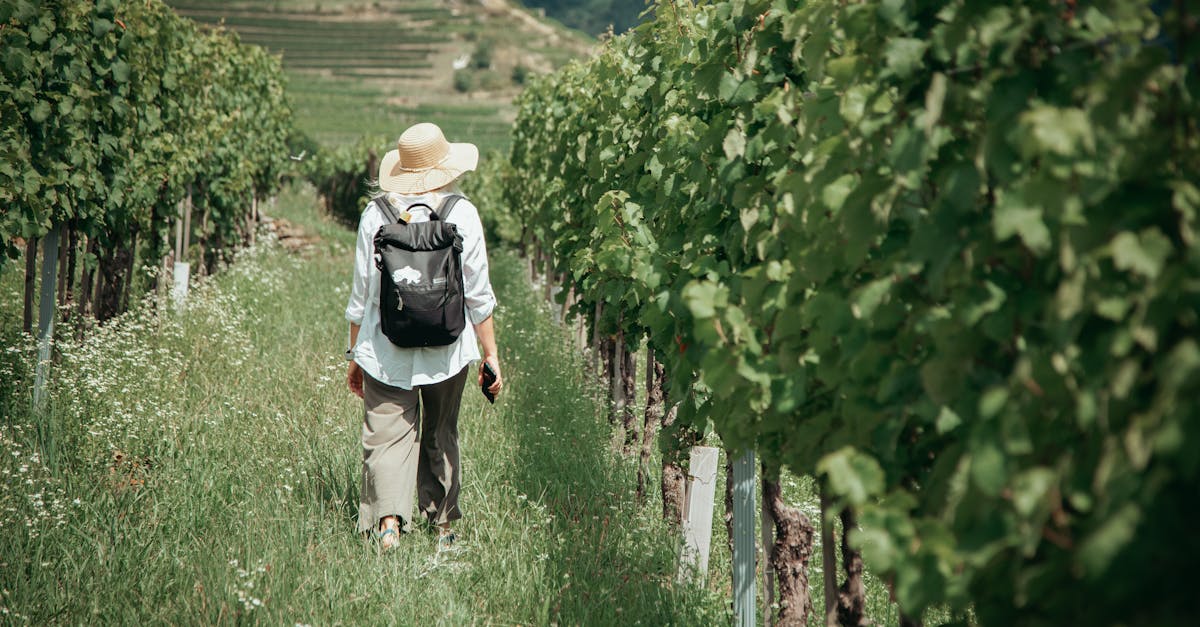
The major economic stakes of the US-Canada conflict for the wine industry
In 2025, the trade conflict between the United States and Canada went beyond the purely political to become a full-fledged economic battle. The implementation of 25% tariffs on imported products had a direct impact on the domestic market. Stores like Le Château des Chênes and La Cave de la Vallée quickly adjusted their offerings by removing American wines, favoring Canadian wines instead. This trend is resulting in a real increase in local consumption, but also a shift in the business strategies of local producers.
This change has also shattered the logic of interdependence. Wine regions like the Ontario Vineyard and the Domaine des Cèdres are now at a turning point. The following table summarizes the key impacts:
| Impact | Description | Market Effect |
|---|---|---|
| Substitution of American wines | Replacement of American wines with local products | Increased domestic sales, diversification of imports |
| Strengthening of local producers | Investments in viticulture, adaptation of grape varieties | Improved competitiveness against commercial imports |
| Reduced dependence | Promoting the development of Atlantic wines and other regions | Creation of a more autonomous and resilient sector |
| New export positioning | Orientation towards Asian or European markets | Opening of new business opportunities |
| Risks to long-term stability | Risks related to a potential easing of the conflict or its escalation | Uncertainties regarding the sustainability of this growth |
This new configuration requires increased vigilance for sector players, who must balance growth with risks related to an unstable geopolitical context. https://www.youtube.com/watch?v=lZP8GaQE8Os
Canadian terroirs, whether in southern Quebec or the Ontario region, are experiencing a period of rapid change. The Ontario Vineyard, with its 300 vineyards and an annual production exceeding 14 million bottles, is seeing its rows expand and its grape varieties adapt to new commercial realities. Domaine des Cèdres, with its renowned wines, is particularly innovative, developing wines better suited to local tastes and the climatic challenges associated with a season often marked by forest fire smoke on the North Shore.
For their part, Quebec producers like Château des Chênes and Pellie Vins are investing in promoting indigenous grape varieties, such as Seyval Blanc or Vidal, which are less vulnerable to climate or health crises. The strategy also involves building loyalty among local customers, already sensitive to the issue of economic independence. The decline in imports from the United States is also facilitating the emergence of new brands, particularly through partnerships with distribution channels like Le Winey or the expansion of international markets. Here is a sublist illustrating the main wine regions and their adaptations:
Ontario Vineyards: Diversification of grape varieties, modernization of cellars, support for organic viticulture 🌱
Le Vinicole du Québec: Promotion of indigenous grape varieties, definition of a strong visual identity, short and local supply chains 📍
- Château des Chênes: Investments in marketing, development of premium wines for export to Europe and Asia 💼
- Pellie Vins: Focus on quality and tradition, creation of an organic range, highlighting local history 🧴
- Discover Canadian wine, a celebration of Canada’s unique terroirs. Explore the diverse grape varieties, emerging wine regions, and distinctive flavors that make Canadian wine a must-try for wine lovers.
- Producers’ strategies to capitalize on the crisis and ensure the future of Wines of Canada

Local production is no longer limited to meeting domestic demand. Innovative branding and quality strategies are emerging, aimed at strengthening the brand image of Canadian wines. The promotion of terroirs, iconic grape varieties such as Riesling and Chardonnay, and the use of modern winemaking techniques are giving the industry a boost. Collaboration between winegrowers, dealers, and distributors also optimizes logistics and the commercial offering, while cultivating a strong identity based on independence. Here are some concrete actions adopted:
Strengthen cooperation between wineries to share innovations and best practices 🤝
Invest in training to promote sustainable winemaking techniques 🌿
Develop targeted communication on the advantages of Canadian wine compared to American imports 📢
- Create distinctive quality labels, such as organic or terroir certification 🏅
- Harness the power of social media and influencers to promote their identity 🌟
- Long-term outlook: resilience and reconstruction of the Canadian wine industry by 2025
- At a crossroads, Canada’s wine industry is undergoing a major transition. While these trade tensions have broken certain dependencies, they have also provided an opportunity to rethink its fundamentals. Resilience today relies on rapid adaptation, an upscaling of products, and a strong desire to assert its unique characteristics. The reputation of Vins de l’Atlantique and Vinicole du Québec already extends beyond national borders to emerging markets, particularly in Asia and Europe, where the search for authentic, local products remains strong.
- Future strategies also focus on greater ecological sustainability. Organic viticulture, the use of resistant grape varieties, and the reduction of chemical inputs are all levers for sustaining this growth. Furthermore, the development of short supply chains, the promotion of winemaking heritage, and respect for terroirs are contributing to this renaissance. The ability to anticipate crises, innovate, and strengthen connections with consumers is becoming the key to long-term success. Discover the fascinating world of Canadian wines, combining exceptional quality and diverse terroirs. Immerse yourself in the unique flavors and inventive grape varieties that have made Canadian viticulture famous.
Players in the mobile wine sector, such as Le Château des Chênes and Pellie Vins, therefore hope that beyond this period of turbulence, their momentum will be driven by sustainable growth, supported by a strategic trade policy and a renewed passion for local wines.
Frequently Asked Questions (FAQ)
What impact has the trade war had on Canadian wine consumption?

Have Canadian wine regions managed to adapt?
Yes, notably through grape variety diversification, investment in organic viticulture, and the promotion of local terroirs such as Domaine des Cèdres and Vignoble de l’Ontario.
- What are the challenges ahead for the Canadian wine industry?
- Maintaining a balance between growth and stability in the face of a possible easing of the conflict or an escalation, while innovating to meet the needs of a clientele increasingly sensitive to sustainability and quality issues.
- Is the international market a real opportunity for Canadian wine?
- Absolutely, particularly in Europe and Asia, where interest in authentic products is growing. Collaboration with networks like Le Winey facilitates this international expansion.
- How can producers ensure their sustainability?
- By innovating, developing a strong image, and focusing on ecological sustainability as well as promoting their winemaking heritage. Source:
- www.lemonde.fr