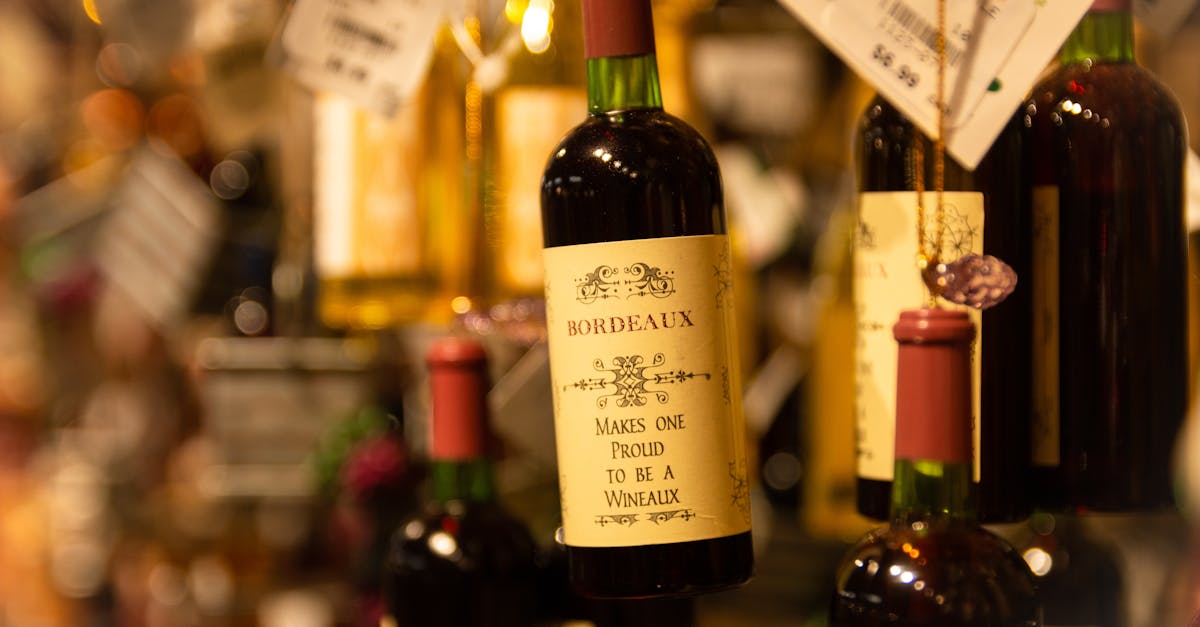
Once considered a secondary wine or a simple leftover from the harvest, Bordeaux claret is now reborn with strength and merit. Beneath this light, almost translucent appearance, lies a unique character, inherited from an ancient tradition that some winemakers have been able to rediscover and modernize. Its subtlety lies in its ability to combine freshness, fruitiness, and structure, while remaining easy to appreciate. In a context where the consumption of sparkling, rosé, and light wines is exploding, claret appears as a response to the demand of a young public eager to discover authentic wines, uncapped by modern standards. The Bordeaux region, long a cocktail of grands crus and powerful wines, is now seeing the resurgence of this historic nectar, notably through properties such as Château La Croix and Château Bouscaut, which are investing in its production and promotion. By the end of 2024, several studies indicate that the consumption of still wines will increase by 12% in France, a sign that this delicious bottled revenge could well mark Bordeaux’s grand return to the trendy wine scene. The renaissance of claret, far from being a simple fad, also reflects a desire to diversify the offering and introduce a forgotten facet of Bordeaux’s identity. Its unique charm could establish itself as a must-have, particularly during sunny days or to accompany modern gastronomy. In this respect, it is not only an alternative, but also a showcase for the terroir and local winemaking tradition. This revival raises questions about communication strategies, tasting culture, and new consumer expectations. A true evolution, for a wine that knows how to be more sparing in tannins, more drinkable, and resolutely forward-looking, without denying its roots.
Clairet: A forgotten king of Bordeaux that stands the test of time
Clairet, often relegated to a secondary role in Bordeaux’s winemaking history, nevertheless possesses a rich identity rooted in an era when wines possessed a different intensity. Its origins date back to the Middle Ages, when the English, great lovers of French wines, favored low-tannin styles, easy to drink in all circumstances. This practice continued until the 16th century, when the Bordeaux region saw the emergence of a specific winemaking technique, highlighting this pale color and fruity aromas. Production, once flourishing, gradually declined, particularly after the second half of the 20th century. In 1967, at the inauguration of the Aquitaine Bridge, Maurice Belleaud offered a glass of claret to foreign visitors, a symbol of a heritage legacy. However, fashion evolved, and the market turned to more concentrated or aesthetically modern wines, to the detriment of this historic wine. The production area became marginal, largely absent from tourist restaurants and mass distribution. However, this obsolescence does not reflect the indisputable quality of certain clarets produced by emblematic estates such as Château de Pitray or Château Lagrange. A truly enjoyable wine, its refreshing profile, with notes of red fruits and spices, makes it an ideal companion for summer, both as an aperitif and with spicy or grilled dishes. The renaissance of claret is now based on a heritage and commercial approach to attract a new audience, more sensitive to simplicity and freshness. Its main asset lies in its ability to be both convivial, accessible and bearer of a certain old-fashioned elegance, brought up to date by a new generation of winemakers. The trend is coming back, and several properties, such as Château de Fieuzal o u Château La Dominique, are committed to this path, hoping to restore the nobility of this emblematic wine.
The secrets of making claret: between tradition and innovation
The particularity of claret lies in its production method, a real bridge between ancient tradition and modern techniques. Its production begins with the picking of the grapes, mainly the Merlot grape variety, grown in terroirs rich in gravel or limestone soils such as those of Château Bouscaut or Château Le Trille.
What distinguishes Clairet is its short maceration phase, generally between 24 and 48 hours. It allows you to obtain a translucent color while preserving the freshness and fruitiness of the wine. After this step, the juice is bled, symbolizing the “bleeding” process specific to this style. The alcoholic fermentation then begins at low temperature, in order to preserve the delicate aromas of the fruit. Fermentation, controlled by experienced oenologists, can last up to two weeks and marks the birth of this very particular color. Modern winemaking also combines innovative techniques, such as cold stabilization or aging in stainless steel vats, to preserve the brilliance and finesse of the wine. The process is often supervised by certified Biodynamic estates, such as Château Peyredon, which seek to respect the terroir as much as possible while modernizing production. Grape maturity, as well as grape variety selection, play a critical role in the final Clairet profile. Mastering these steps requires precise know-how and constant attention, so that each bottle tells an authentic and refined story.
- 📅 Short maceration: 24 to 48 hours
- 🍇 Main grape variety: Merlot (90%) and Cabernet Franc (10%) for certain areas
- 🔬 Modern techniques: cold stabilization, aging in stainless steel vats
- 🌱 Certification: biodynamic by Château Peyredon and other estates
- 🎯 Objective: Preserve freshness, lightness, and aromatic finesse
Iconic Bordeaux estates, guarantors of the renaissance of claret
Since the first half of the 20th century, several great Bordeaux names have dared to revive this wine style. Château La Croix and Château Bouscaut remain essential references for understanding the diversity and quality that claret can achieve. These estates, often renowned for their grands crus, have decided to invest in this more accessible but no less noble category. Their approach is to produce a wine that is light, aromatic, and structured, to appeal to a wide audience, including younger consumers. For example, Château de Pitray has launched an eponymous cuvée that combines elegance and freshness, while Château Lagrange is focusing on a more intense version, suitable for summer consumption or with convivial meals. This trend is accelerating with the growing interest in properties like Château de Fieuzal and Château Lestrille, which offer clarets made using methods that respect the terroir. These initiatives are part of a genuine revival, reinforced by communication focused on tradition, authenticity, and freshness. To learn more about the richness of these wines, we recommend consulting this article, which details the role of these properties in this revival. Property Type of claret
| Special features | Key products | Actions | Château La Dominique | Fruity and light |
|---|---|---|---|---|
| Selected harvest, aged in stainless steel vats | Cuvee La Dominique claret | Tasting tour | Château Bouscaut | Structured and aromatic |
| Vinification by short bleeding | Le Clair de Bouscaut | Online sales | Château de Pitray | Elegant and aromatic |
| Mastered Mostiage, Graves terroirs | Pitray Clairet | Private tastings | Discover Bordeaux, the magnificent city in southwest France, famous for its prestigious wines, elegant architecture, and rich cultural heritage. Explore the charming cobblestone streets, visit renowned vineyards, and savor the local gastronomy in this captivating destination. | Clairet, a summer wine par excellence for 2025 |
☀️ Perfect for aperitifs on the terrace or the beach
🍽️ Easily pairs with grilled meats, fish, and salads
- 🎥 Popularity on TikTok and Instagram with tasting videos
- 💡 Distinction: light, easy-drinking, with a fruity finish
- 🌍 Growing exports, particularly to the United States and Asia
- https://www.youtube.com/watch?v=Q9KgwKnAt6U
- Anecdotes and key figures illustrating the dynamics of Clairet in 2025
Event
Description
FAQ – Frequently Asked Questions about Bordeaux Clairet in 2025
What differentiates a Clairet from a rosé or a classic red?
— Clairet is characterized by its color, which is paler than red wine but deeper than a rosé, with a short maceration and low-temperature fermentation that gives it its freshness and fruitiness.
- Is it drunk only in summer or all year round? — If its freshness makes it a summer wine par excellence, Clairet can also accompany richer dishes and be enjoyed all year round, particularly in a fresh version as an accompaniment to meat or light cheese.
- What are the best food and wine pairings with a claret? — Perfect pairings include grilled fish, salads, tapas, or even spicy cuisines such as Asian or Mediterranean cuisine.
- Do Bordeaux wine estates only produce clairt today? — No, many estates like Château La Croix or Château Bouscaut offer a varied range, from great reds to white wines including Clairet, meeting a diverse demand.
- How to recognize a good claret? — A balanced wine, with fruity aromas and perceptible freshness, coming from very ripe grapes and carefully vinified using methods that respect the terroir.
- Source: www.sudouest.fr